
Nutritional Needs

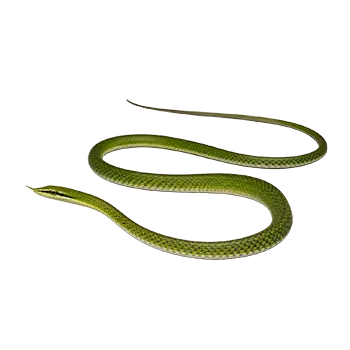
The Asian Vine Snake occupies a unique dietary niche among commonly kept colubrids, and its nutritional requirements reflect the biology of a specialized predator adapted to hunting small ectothermic prey in the canopy layers of tropical and subtropical forests across Southeast Asia. In the wild, Ahaetulla prasina feeds almost exclusively on lizards — primarily geckos, skinks, and small agamids — supplemented by tree frogs and occasionally small fish or nestling birds. This reliance on ectothermic prey rather than mammals makes the Asian Vine Snake one of the more challenging species to feed in captivity, and it demands a fundamentally different nutritional approach from the whole-rodent strategies that work for most commonly kept snakes.

The caloric density of lizard and amphibian prey is significantly lower than that of comparably sized mammals. Lizards and frogs have less body fat, proportionally more bone and cartilage, and a different amino acid composition than mice or rats. This means that Asian Vine Snakes must feed more frequently than similarly sized rodent-eating species to maintain healthy body condition. A healthy Ahaetulla prasina should appear slender but not emaciated — the spine should be visible but not sharply prominent, and the body should have a slightly rounded cross-section rather than a triangular or concave profile when viewed from behind.

Calcium and phosphorus balance is a persistent concern with lizard-based diets. Feeder lizards that have themselves been fed a calcium-deficient diet or kept without adequate UVB exposure will have poorly mineralized skeletons, and those nutritional deficiencies transfer directly to the snake consuming them. This creates a cascading nutritional failure that can manifest as soft-tissue calcification problems, reduced muscle tone, and impaired neurological function over months of accumulated deficiency. Ensuring that feeder lizards are gut-loaded with calcium-rich diets and maintained under proper UVB lighting before being offered to the snake is not optional — it is a foundational requirement for long-term health.

Hydration plays an outsized role in the nutritional health of Asian Vine Snakes compared to many terrestrial species. These arboreal snakes frequently drink water droplets from foliage rather than from standing water dishes, and dehydration can develop insidiously in captive environments that lack adequate misting or drip systems. A dehydrated vine snake digests prey inefficiently, absorbs fewer nutrients from each meal, and becomes increasingly susceptible to renal stress. Because the water content of lizard and frog prey is generally high, a well-hydrated diet partially supports the snake's fluid balance, but environmental water delivery remains essential and is discussed in detail in the housing and accessories sections.

Choosing the Right Prey

Prey selection for the Asian Vine Snake centers on small lizards and frogs, and the keeper's ability to source these items consistently is the single most important factor in determining whether this species can be maintained successfully in captivity over the long term. The primary prey for most captive Ahaetulla prasina consists of small gecko species — house geckos of the genus Hemidactylus are the most commonly available and widely accepted feeder lizard in the hobby. Anoles, particularly green anoles and brown anoles, serve as an excellent alternative and are widely bred as feeder animals in the United States and parts of Europe.

Prey sizing follows the same general principle applied to all snake species: the prey item should be no wider than the widest point of the snake's body. Because Asian Vine Snakes are extraordinarily slender relative to their length, this translates to surprisingly small prey even for adults. A five-foot adult vine snake may have a body diameter of only three-quarters of an inch at its widest point, which limits appropriate prey to small geckos, juvenile anoles, and similarly diminutive lizards. Offering prey that is too large leads to regurgitation, esophageal trauma, and prolonged stress that can trigger feeding refusal lasting weeks or months.

Tree frogs represent an important secondary prey category and provide dietary variety that benefits the snake's overall nutritional intake. Small species such as Cuban tree frogs, green tree frogs, and similarly sized hylids are appropriate for adult Asian Vine Snakes. Frogs offer a different micronutrient profile than lizards — their skin contains bioactive compounds and their skeletal composition differs — and rotating between lizard and frog prey more closely replicates the dietary diversity this species encounters in the wild. However, only frogs from captive-bred sources should ever be used; wild-caught amphibians carry parasites, environmental toxins, and potentially lethal skin secretions from certain species.

Some keepers have reported success transitioning Asian Vine Snakes to pinky mice or lizard-scented pinky mice, which would simplify feeding logistics considerably. While individual animals may accept rodent prey, particularly if introduced during the juvenile stage, this is the exception rather than the rule. Rodent-based diets also present a nutritional mismatch for a species whose digestive physiology is optimized for ectothermic prey with lower fat content and different protein structures. Keepers who acquire an Asian Vine Snake should plan for a lizard-and-frog-based diet as the permanent feeding strategy rather than hoping to convert the animal to rodents.

Sourcing Feeder Lizards and Amphibians

The practical challenge of feeding Asian Vine Snakes in captivity is not understanding what they eat but reliably obtaining appropriate prey in sufficient quantities. Unlike frozen mice and rats, which are available from dozens of online suppliers in every size and shipped efficiently year-round, feeder lizards and frogs occupy a much smaller commercial niche. The keeper must either establish a dependable supply chain through specialty reptile suppliers or develop a self-sustaining feeder colony — and ideally both, since colony crashes and supplier shortages can leave the snake without food at critical times.

Online reptile suppliers that specialize in feeder insects often also carry feeder anoles and house geckos, and these represent the most accessible commercial source for most keepers. Ordering live feeder lizards requires attention to shipping conditions, as lizards are far more sensitive to temperature extremes during transit than frozen prey items. Summer shipments in southern climates and winter shipments in northern regions both pose risks of heat stress or cold exposure that can kill feeder animals before they arrive. Selecting suppliers who use insulated packaging with appropriate heat or cold packs and who ship via overnight carriers dramatically reduces transit mortality.

Breeding feeder lizards at home is the most reliable long-term solution for keepers committed to maintaining Asian Vine Snakes. House geckos and brown anoles reproduce readily in simple setups — a twenty-gallon enclosure with climbing surfaces, a heat source, a calcium-dusted insect diet, UVB lighting, and a moist egg-laying substrate can produce a steady supply of appropriately sized feeders within a few months. The initial investment in breeding stock and housing is modest compared to the ongoing cost of purchasing feeder lizards from commercial sources, and the keeper gains full control over the nutritional quality of the prey by managing the feeder colony's diet directly.

Amphibian sourcing presents additional considerations because many frog species have specific environmental requirements that make them more difficult to breed in captivity than lizards. Captive-bred tree frogs from reputable breeders are the safest option. Some keepers maintain small colonies of hardy species such as Cuban tree frogs, which breed prolifically under warm, humid conditions and produce offspring of appropriate size for vine snakes. Regardless of the source, all feeder amphibians should be quarantined briefly and visually inspected for signs of disease, injury, or parasitic infection before being offered to the snake.

Supplements and Vitamins

Supplementation strategy for the Asian Vine Snake must account for the nutritional limitations inherent in a lizard-and-amphibian-based diet, which differs from the self-contained nutritional completeness of whole-mammal prey that simplifies husbandry for rodent-eating species. While a well-maintained feeder lizard that has been gut-loaded on calcium-rich insects and kept under UVB lighting does provide a reasonably complete nutritional package, the margin for error is narrower than it would be with rodent prey, and periodic supplementation serves as a valuable safety net against cumulative micronutrient deficits.

Calcium supplementation is the highest priority. A reptile-specific calcium carbonate powder without added phosphorus should be lightly dusted onto feeder lizards before offering them to the snake. The frequency of calcium supplementation depends on the quality of the feeder colony's diet — if feeder lizards are consistently gut-loaded with calcium-dusted crickets and maintained under quality UVB, dusting every other feeding may suffice. If the calcium status of the feeder animals is uncertain, dusting at every feeding is the safer approach. The goal is to ensure a calcium-to-phosphorus ratio in the snake's overall diet of approximately two to one, which supports proper skeletal maintenance, muscle function, and neurological health.

Vitamin D3 supplementation requires more caution because this fat-soluble vitamin accumulates in tissue and can reach toxic concentrations with excessive dosing. Asian Vine Snakes are diurnal and appear to benefit from moderate UVB exposure, which enables endogenous vitamin D3 synthesis and reduces or eliminates the need for dietary supplementation of this vitamin. Keepers who provide appropriate UVB lighting in the enclosure — a subject covered in the tech section — generally do not need to supplement D3 at all. Those maintaining vine snakes without UVB, which is not recommended for this diurnal species, should consult a reptile veterinarian about minimal D3 supplementation to prevent deficiency.

A broad-spectrum reptile multivitamin can be used sparingly — once every two to four weeks — as insurance against trace mineral and vitamin gaps that may exist in a captive diet that lacks the diversity of wild prey. Products formulated specifically for insectivorous and carnivorous reptiles are preferable to generic reptile vitamins. Over-supplementation is a genuine risk, particularly with fat-soluble vitamins A and E, and keepers should resist the temptation to supplement heavily as a substitute for maintaining high-quality feeder animals. The foundation of good nutrition for this species is not what you add to the prey but how well the prey itself was maintained before it becomes a meal.

Foods to Avoid

The specialized dietary requirements of the Asian Vine Snake create a long list of inappropriate food items, many of which might seem logical to keepers accustomed to more generalist snake species. Wild-caught lizards and frogs should never be offered regardless of how abundant or convenient they may be. Wild prey animals carry internal parasites including nematodes, cestodes, and protozoans that can establish devastating infections in captive snakes. Beyond parasites, wild amphibians may harbor chytrid fungus, ranavirus, and other pathogens that pose biosecurity risks to the snake and to any other reptiles or amphibians in the keeper's collection. Environmental contaminants — pesticides, herbicides, heavy metals, and lawn-care chemicals — accumulate in wild lizard and frog populations and transfer directly to the predator that consumes them.

Rodent prey, while the dietary staple for the vast majority of captive snakes, is generally inappropriate for Asian Vine Snakes. The fat content of even a newborn mouse is substantially higher than that of the lizards and frogs this species evolved to consume, and the protein and fat structures of mammalian prey differ from those of ectothermic prey in ways that can cause digestive inefficiency over time. While occasional acceptance of pinky mice has been documented in some individuals, building a husbandry program around the assumption that a vine snake will eat rodents is a recipe for frustration and nutritional compromise. Keepers who cannot commit to a lizard-and-frog-based diet should select a different species.

Poisonous or toxic amphibian species must be rigorously excluded from the diet. While captive-bred dart frogs raised in captivity lose the skin toxins they acquire from wild insect diets, other species such as certain toads produce bufotoxins that are inherently present regardless of diet and can be lethal to a snake that ingests them. No toad species should ever be offered to an Asian Vine Snake. Similarly, any frog species whose toxicity profile is uncertain or poorly documented should be excluded as a precaution. Sticking to well-established feeder frog species from captive-bred sources eliminates this risk entirely.

Processed or partial prey items — cut fish, strips of meat, ground reptile diets, or commercial snake sausages — are wholly unsuitable for this species. Asian Vine Snakes are visually oriented hunters that strike at moving, lizard-shaped prey items and rely on the movement and silhouette of prey to trigger a feeding response. Inert food items presented on a dish will not elicit feeding behavior in the vast majority of individuals. Beyond the behavioral mismatch, processed foods lack the complete nutritional profile of whole prey and introduce bacterial contamination risks that do not exist with freshly offered live feeders. The diet of the Asian Vine Snake must be built around whole, appropriately sized, captive-bred lizards and frogs — there are no shortcuts that do not compromise the animal's health.

Feeding Schedule and Techniques

Establishing a consistent feeding schedule for the Asian Vine Snake requires understanding the species' metabolic rate, which is influenced by its slender body mass, high surface-area-to-volume ratio, and the relatively low caloric density of its natural prey. Juvenile vine snakes under eighteen inches in length should be offered one to two appropriately sized feeder lizards every three to four days to support the rapid growth that occurs during the first year of life. Sub-adults between eighteen inches and three feet benefit from feeding every four to five days, with prey size gradually increasing as the snake grows. Adults over three feet can be maintained on a schedule of one to two prey items every five to seven days, adjusted based on body condition and the individual animal's metabolism.

Feeding technique matters enormously with this species because Asian Vine Snakes are active, visually oriented hunters that rely on binocular vision and prey movement to initiate a strike. Unlike ambush-feeding pythons and boas that accept stationary prey presented on tongs, vine snakes are far more likely to feed when prey is alive and moving naturally within the enclosure. For this reason, most keepers offer feeder lizards by releasing them directly into the enclosure and allowing the snake to hunt. This approach closely replicates natural foraging behavior and provides significant behavioral enrichment, which is discussed in the toys and enrichment section.

The timing of feeding sessions should align with the snake's natural activity period. Ahaetulla prasina is strictly diurnal, with peak hunting activity occurring during mid-morning and early afternoon hours when light levels are high and the snake's visual acuity is at its best. Offering prey during evening or nighttime hours, when the snake is typically resting in a coiled position among foliage, dramatically reduces the likelihood of a successful feeding response. Keeping a consistent daytime feeding schedule that the snake can anticipate reduces stress and improves feeding reliability over time.

Monitoring food intake requires more attention with this species than with rodent-eating snakes, because uneaten feeder lizards can remain hidden in the foliage and climbing structures of an arboreal enclosure for extended periods. A feeder lizard that escapes predation and establishes itself in the enclosure creates several problems — it competes for heat and humidity resources, it may stress the snake, and it can defecate on surfaces that contaminate the habitat. After each feeding session, the keeper should verify whether the prey was consumed by checking the snake's body for a visible food bolus and by searching the enclosure for any uneaten feeders. Removing uneaten prey within a few hours of offering prevents these complications and provides accurate data about the snake's feeding frequency and appetite trends, which are among the earliest indicators of health changes in this species.

Always consult a qualified professional before making any health-related decisions. This content is provided for informational reference only and should not replace professional guidance specific to your animal.