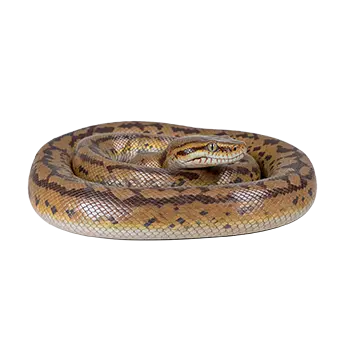

Argentine Rainbow Boas are a species whose health is tightly linked to environmental parameters, particularly temperature and humidity. Unlike hardier, more forgiving species that tolerate a wide range of conditions, Argentine Rainbow Boas have a narrower window of acceptable environmental values, and deviations outside that window produce measurable health consequences within days rather than weeks. Chronic low humidity leads to retained sheds, dehydration, and respiratory irritation. Temperature fluctuations outside the proper gradient disrupt digestion, suppress immune function, and increase stress hormones.
Technology provides objective, continuous data that human senses alone cannot match. A keeper's hand placed against the enclosure glass can detect whether it feels warm, but it cannot distinguish eighty-two degrees from eighty-eight degrees — a difference that matters significantly for this species. Similarly, air that feels humid to the skin may be anywhere from fifty to eighty percent relative humidity, and that margin is the difference between healthy shedding and chronic dysecdysis. Instruments eliminate guesswork and replace subjective impressions with actionable numbers.
Beyond the immediate benefit of maintaining correct conditions, monitoring technology creates a historical record that proves invaluable over the life of the animal. Logged temperature and humidity data reveal patterns that would otherwise go unnoticed: a heater that is gradually losing output, a seasonal humidity drop that coincides with the home's heating system cycling on, or a nighttime temperature crash caused by a window draft. These subtle trends often precede health problems, and identifying them early allows the keeper to intervene before the snake is affected.
The cost of monitoring equipment is modest relative to the cost of veterinary treatment for conditions that monitoring prevents. A quality thermostat, a pair of digital hygrometers, and an infrared thermometer represent a total investment that is a fraction of a single emergency veterinary visit. For a species that can live twenty-five years in captivity, that investment is amortized across decades of preventive care.