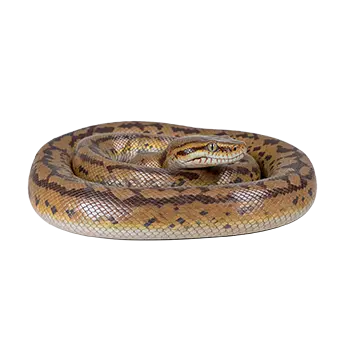

Selecting the right enclosure is the foundational decision in Argentine Rainbow Boa husbandry. An adult specimen measuring five to six feet in length requires an enclosure with a minimum footprint of four feet long by two feet deep by two feet tall. This provides sufficient floor space for thermoregulation, exploration, and comfortable resting without forcing the snake into constant contact with the walls. Larger enclosures are always acceptable and generally encouraged, as additional space allows for more naturalistic interior design and behavioral diversity.
PVC enclosures have become the preferred choice among serious boa keepers for several compelling reasons. PVC panels retain heat far more efficiently than glass, reducing the workload on heating equipment and lowering energy costs. The non-porous surface resists moisture absorption, which makes maintaining the elevated humidity levels that Argentine Rainbow Boas require significantly easier. Most PVC enclosures also feature front-opening doors rather than top-access lids, which reduces the stress response that many snakes exhibit when approached from above.
Glass terrariums remain a viable option, particularly for keepers who value visibility and aesthetic presentation. However, glass enclosures present specific challenges for this species. Glass dissipates heat rapidly, which can create difficulty in maintaining a stable warm side temperature, especially in air-conditioned rooms. The screen tops commonly found on glass terrariums also allow humidity to escape quickly. Keepers using glass setups should plan to cover seventy to eighty percent of the screen lid with foil tape, acrylic panels, or damp towels to retain adequate moisture.
Wooden vivariums, popular in European herpetoculture, offer good insulation and can be custom-built to exact specifications. The primary concern with wood is moisture damage over time. Any wooden enclosure used for an Argentine Rainbow Boa must be sealed on all interior surfaces with a waterproof, non-toxic sealant such as a pond-safe epoxy or marine-grade polyurethane. Unsealed wood will absorb moisture from the substrate and humid air, leading to warping, mold growth, and eventual structural failure.
For neonates and small juveniles, a smaller enclosure is actually preferable. A tub measuring approximately twenty-four by sixteen by six inches or a comparably sized small terrarium allows the young snake to feel secure without the stress of navigating an overwhelmingly large space. As the snake grows, it can be upgraded to progressively larger enclosures, with the final adult-sized setup ready by the time the snake reaches approximately three feet in length.