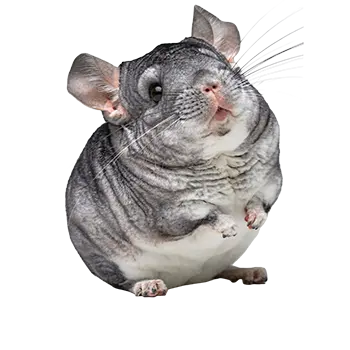

Play Style & Drive

Chinchillas are naturally playful, curious animals whose play behavior reflects their origins in the rocky Andes Mountains. They are prolific jumpers, capable of leaping several feet in a single bound, and they frequently engage in rapid bursts of activity commonly known as wall-surfing—ricocheting off cage walls and platforms in explosive displays of energy. Understanding these natural behaviors is essential to selecting toys and enrichment activities that genuinely engage your chinchilla rather than sitting ignored in the corner of the cage.

Chewing is not just a play behavior for chinchillas—it is a physiological necessity. Their teeth grow continuously throughout their lives, and without adequate chewing opportunities, dental overgrowth can lead to painful malocclusion, difficulty eating, and expensive veterinary intervention. Every toy and enrichment item you introduce should ideally serve double duty as both a source of mental stimulation and a dental maintenance tool.

Chinchillas are also intelligent enough to become bored with repetitive environments. An enclosure that remains unchanged week after week loses its novelty, and bored chinchillas often develop destructive behaviors including excessive fur chewing, bar biting, and repetitive pacing. Rotating toys in and out of the cage on a regular schedule keeps the environment fresh and maintains your chinchilla's interest without requiring a constantly expanding collection of products.

Social play is another important dimension, particularly for chinchillas housed in pairs or groups. Bonded chinchillas engage in mutual grooming, chase games, and synchronized jumping that serves both social bonding and exercise functions. Providing toys and structures that facilitate shared activity—such as tunnels large enough for two or platforms positioned to encourage chasing patterns—enhances the quality of social interactions within the enclosure.

Chew Toys & Dental Health

Chew toys are the most essential category of enrichment for chinchillas, serving the dual purpose of entertainment and critical dental maintenance. The best chew toys are made from untreated, kiln-dried hardwoods that are safe for chinchilla consumption. Apple wood, pear wood, willow, and kiln-dried pine are among the most commonly recommended options. Each species of wood offers a slightly different density and texture, so providing a variety gives your chinchilla choices that keep chewing sessions interesting.

Wooden sticks, blocks, and hanging chew toys in various shapes and sizes give chinchillas different angles and gripping challenges as they gnaw. Hanging chew toys that dangle from the cage ceiling or attach to the wire walls are particularly engaging because they swing and move as the chinchilla works on them, adding an element of unpredictability that flat, stationary blocks lack. Lava stones and pumice blocks offer a mineral-based chewing alternative that is extremely durable and provides excellent dental wear.

Avoid any chew toy made from cedar, plywood, treated lumber, or wood that has been painted, varnished, or stained. Cedar contains aromatic phenols that are toxic to chinchillas, and plywood uses adhesives that release harmful compounds when chewed. Dyed wooden toys marketed for small animals often use food-safe dyes, but even these add unnecessary chemical exposure that can be eliminated by simply choosing undyed alternatives.

Monitor chew toy consumption to gauge your chinchilla's dental activity level. A chinchilla that ignores chew toys entirely may already be experiencing dental discomfort, while one that destroys toys at an unusually rapid rate could be dealing with stress or boredom that requires attention beyond simple toy replacement. Inspect toys regularly for sharp splinters or small fragments that could injure soft mouth tissue or be swallowed.

Exercise Wheels & Running

An appropriately sized exercise wheel is one of the most valuable enrichment investments you can make for a chinchilla. Chinchillas are capable of running at speeds up to fifteen miles per hour and have energy reserves that far exceed what platform jumping alone can exhaust. A quality wheel provides an outlet for sustained aerobic exercise that keeps your chinchilla physically fit and helps prevent obesity, which is a growing concern among domestic chinchillas fed calorie-dense pellet diets.

Size is the most critical factor when selecting an exercise wheel. Chinchilla wheels must have a minimum diameter of fifteen inches, with sixteen inches being preferable. Wheels that are too small force the chinchilla to arch its spine backward during running, which causes chronic back pain and spinal injury over time. This is the same reason hamster wheels are entirely inappropriate for chinchillas despite being sold in the same pet store aisle.

The running surface must be solid and continuous—never wire mesh or rungs with gaps between them. Wire and rung-style wheels catch toes and feet, causing fractures, dislocations, and soft tissue injuries that are surprisingly common among chinchillas housed with inappropriate exercise equipment. A solid metal or wood running surface provides safe traction without entrapment risk.

Wheel noise is a practical consideration for owners, as chinchillas are most active during evening and early morning hours when household members may be sleeping. Ball-bearing mechanisms produce significantly less noise than sleeve-bearing alternatives, and a stable mounting system that prevents the wheel from wobbling or vibrating against the cage wall further reduces sound. Freestanding wheels tend to vibrate more than wall-mounted options, so mounting hardware compatible with your specific cage model is worth investigating.

Tunnels & Hiding Toys

Tunnels appeal to chinchillas' natural instinct to explore enclosed spaces and navigate narrow passages between rock formations. Wooden tunnels made from kiln-dried pine or poplar serve as both exploration toys and chewing surfaces, though they will be gradually consumed over weeks or months of use. Ceramic tunnels offer a permanent, non-chewable alternative that also provides a cool resting surface during warmer periods.

The diameter of any tunnel should be large enough for your chinchilla to pass through comfortably without squeezing. A minimum internal diameter of four to five inches accommodates most adult chinchillas, though larger individuals may need wider options. Tunnels that are too tight can cause panic if a chinchilla becomes stuck, and the resulting struggle can lead to injury or extreme stress. When in doubt, size up.

Connecting multiple tunnels and hiding spots creates a maze-like environment that encourages exploration and problem-solving. Rearranging tunnel configurations every week or two introduces novelty without requiring new purchases. Some owners create elaborate multi-tunnel systems that connect platforms at different cage levels, effectively turning the entire enclosure into an interactive obstacle course.

Cardboard tubes and boxes can serve as temporary tunnels and hiding toys, but they should be plain, unprinted cardboard with no adhesive, tape, or staples. Printed cardboard may contain inks with harmful chemical compounds, and adhesive residue can cause digestive issues if ingested. Cardboard enrichment should be treated as disposable—replaced as soon as it becomes soggy, soiled, or reduced to small fragments that could be swallowed.

Dust Baths as Enrichment

Dust bathing is one of the most distinctive and important behaviors in chinchilla care, serving simultaneously as hygiene maintenance and a source of genuine enjoyment. Chinchillas visibly relish their dust baths, rolling energetically, flipping, and burrowing with an enthusiasm that makes bath time one of the most entertaining aspects of chinchilla ownership. Providing a proper dust bath setup is as much an enrichment activity as it is a grooming necessity.

The dust used must be specifically formulated for chinchillas—a fine volcanic pumice or aluminum silicate powder that penetrates the dense fur to absorb oils and moisture without irritating the skin or respiratory tract. Sandbox sand, beach sand, and generic small-animal bathing sand are too coarse and abrasive for chinchilla fur, stripping natural oils rather than absorbing excess. The difference between proper chinchilla dust and inappropriate substitutes has a measurable impact on coat health over time.

Bath containers should be large enough for the chinchilla to roll freely without restriction—typically at least eight inches in diameter and four inches deep. Enclosed bath houses with entry openings reduce dust scatter while giving the chinchilla a sense of security during bathing. Glass fish bowls, ceramic crocks, and purpose-built plastic bath houses all work, though ceramic and glass options are heavier and less likely to be tipped during vigorous rolling sessions.

Frequency depends on climate and individual coat condition, but most chinchillas benefit from two to three dust baths per week, each lasting ten to fifteen minutes. In humid environments, more frequent baths may be necessary to prevent fungal issues, while chinchillas in very dry climates may need fewer sessions to avoid over-drying the skin. The dust should be replaced after every few uses, as it accumulates oils and debris that reduce its effectiveness.

DIY & Budget Options

Many of the most effective chinchilla toys can be made at home with minimal cost and effort, provided you use safe materials and avoid common hazards. Untreated apple or pear branches harvested from pesticide-free trees make excellent chew toys when cut to manageable lengths and dried thoroughly. Simply wash the branches, bake them at two hundred degrees Fahrenheit for an hour to kill any parasites or mold, and let them cool completely before offering them to your chinchilla.

Plain cardboard toilet paper tubes are a classic DIY chinchilla toy that provides both chewing and exploration enrichment. You can stuff them with hay to create foraging puzzles, stack them in the cage for climbing structures, or simply scatter them for your chinchilla to toss and shred. The key requirement is that the cardboard is plain and unprinted with no adhesive residue from label removal.

Wooden craft blocks and dowels purchased from hardware stores can be transformed into chew toys at a fraction of the cost of pet store equivalents, but material verification is critical. Only untreated, kiln-dried hardwood is safe. Softwoods other than kiln-dried pine should be avoided, and any wood with visible mold, fungus, or insect damage must be discarded. Sand rough edges smooth to prevent splinter injuries, and avoid using any finish, sealant, or paint.

Rearranging existing cage furniture costs nothing and provides significant enrichment value. Simply moving platforms, hideouts, and toys to different positions within the cage forces your chinchilla to re-learn its environment, stimulating cognitive engagement and exploratory behavior. Combined with a rotation schedule where some toys are temporarily removed and reintroduced after a few weeks, this approach keeps the enclosure feeling new without any additional spending.

Always consult a qualified professional before making any health-related decisions. This content is provided for informational reference only and should not replace professional guidance specific to your animal.