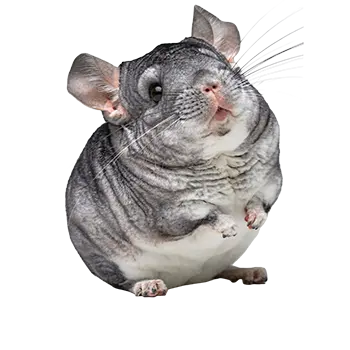
Chinchillas require spacious, multi-level enclosures accommodating their high activity levels and impressive jumping abilities while providing adequate ventilation and critical temperature control. The absolute minimum cage dimensions are 36 inches wide, 24 inches deep, and 24 inches tall for a single chinchilla, though larger is always better—many enthusiasts recommend enclosures measuring 4-6 feet tall with multiple levels. Vertical space is particularly crucial as chinchillas are natural jumpers and climbers who utilize height extensively, with some individuals capable of leaping 5-6 feet vertically.
Wire cages with horizontal bars work best, providing excellent ventilation while allowing chinchillas to climb. Bar spacing should be no more than 1 inch to prevent escapes or injuries, though 3/4 inch spacing is safer for younger or smaller chinchillas. Critically, solid metal platforms and ledges must replace any wire flooring—wire floors cause bumblefoot (pododermatitis), a painful and potentially serious foot condition common in chinchillas housed on inappropriate surfaces. Wooden ledges at varying heights encourage jumping and exercise, though they require periodic replacement as chinchillas chew them, which is normal and provides dental benefits.
All cage accessories must be securely attached to prevent injuries from falling objects during chinchillas' acrobatic play sessions. These athletic rodents jump powerfully and can dislodge poorly secured items, potentially causing injuries. Regular inspection of all attachments and cage integrity prevents accidents. Cage doors must have secure latches—chinchillas are intelligent and surprisingly strong, occasionally learning to open simple closures.
Bedding selection is critical for chinchilla health and comfort. Kiln-dried pine shavings or aspen shavings work well, as do paper-based beddings like CareFresh. Never use cedar shavings, which contain harmful aromatic oils causing respiratory problems. Avoid dusty beddings that could irritate respiratory systems. Some owners prefer fleece liners that can be washed and reused, reducing ongoing costs and waste, though these require regular laundering every few days and don't absorb moisture as effectively as traditional beddings. A layer of 1-2 inches of safe bedding provides cushioning and absorbs waste.
Environmental conditions represent perhaps the most critical aspect of chinchilla housing. Temperature must remain between 60-70°F ideally, never exceeding 75°F, as chinchillas are extremely susceptible to heat stroke due to their inability to sweat and their incredibly dense fur. Temperatures above 75°F can be fatal—chinchillas overheat rapidly and often don't survive heat stroke even with emergency veterinary intervention. Air conditioning is essential in warm climates, making chinchillas impractical pets for hot regions without reliable, constant cooling.
Humidity should stay low, as moisture can become trapped in dense fur causing fungal infections and discomfort. Position cages away from direct sunlight, heating vents, air conditioning drafts, and windows where temperature fluctuations occur. Good air circulation prevents ammonia buildup from urine, which causes respiratory infections—a significant health threat in chinchillas. However, avoid positioning cages directly in front of fans or air conditioning units, which create uncomfortable drafts.
Essential cage furnishings include multiple wooden ledges and platforms at varying heights for jumping exercise, a solid-surface running wheel at least 15 inches in diameter specifically designed for chinchillas (Chin Spin wheels are popular), secure hiding boxes or ceramic tubes providing security and sleeping areas, hay racks keeping hay clean and accessible, heavy ceramic food bowls that can't be tipped, and sipper water bottles rather than bowls which can tip or become contaminated. Provide safe chew toys like apple wood sticks, kiln-dried pine blocks, pumice stones for wearing down teeth, and hanging toys for enrichment.
A dust bath house with a removable lid allows chinchillas to perform their essential dust bathing behavior without spreading dust throughout the room. Provide dust baths 2-3 times weekly for 10-15 minute sessions, removing the dust bath house between sessions to prevent overuse which can dry skin. Use only chinchilla-specific dust or volcanic dust—avoid sand or inappropriate substitutes that damage fur.
Daily chinchilla-proofed playtime outside the cage is important for physical and mental health, allowing exercise beyond cage constraints. Secure all electrical cords which chinchillas will chew, remove toxic plants, block access to small spaces where they might become trapped, and cover furniture legs and baseboards. Supervision is mandatory during playtime to prevent accidents, chewing damage, or escapes. Many owners create dedicated chinchilla rooms or use large pet playpens to contain exercise sessions safely while providing adequate exploration space.
Maintenance involves daily spot-cleaning to remove soiled bedding and scattered food, with complete bedding changes weekly for single chinchillas or more frequently for pairs. Wash all fabric items weekly in hot water without fabric softeners which irritate skin. Clean solid surfaces, platforms, and toys as needed. Monthly deep cleaning involves disassembling and sanitizing the entire cage with pet-safe cleaners followed by thorough rinsing to remove all residues. Regular maintenance prevents odor problems—chinchillas themselves don't produce strong odors, though male scent-marking and accumulated waste can create unpleasant smells without proper cleaning.