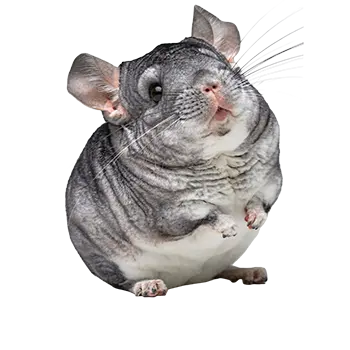

Space Requirements

Chinchillas are agile, athletic animals that require significantly more vertical space than most small mammal species. In the wild, they inhabit rocky mountain terrain where they leap between crevices and ledges, and their domestic housing should reflect this natural inclination toward climbing and jumping. The absolute minimum cage size for a single chinchilla is approximately three feet wide by two feet deep by four feet tall, but larger enclosures are always preferable and directly contribute to better physical and psychological health.

Vertical space is arguably more important than floor area for chinchillas. A tall cage with multiple platforms and ledges at varying heights allows them to exercise their powerful hind legs and satisfy their instinct to perch at elevated positions. Cages that emphasize horizontal floor space at the expense of height, such as those designed for guinea pigs or rabbits, are fundamentally unsuitable regardless of their total square footage.

For households with two chinchillas, which is recommended given their social nature, the enclosure dimensions should increase proportionally. A pair needs at minimum four feet of width and five feet of height to coexist comfortably without territorial stress. Crowded conditions lead to aggression, fur-biting, and chronic stress that can suppress immune function and shorten lifespan considerably.

Placement of the enclosure within your home matters as much as the enclosure itself. Chinchillas are sensitive to heat, humidity, direct sunlight, and loud noise. The cage should be positioned in a climate-controlled room away from windows, radiators, and high-traffic areas. A quiet corner of a living room or dedicated animal room where temperatures remain consistently between sixty and seventy degrees Fahrenheit is ideal.

Cages & Enclosure Types

Wire cages with solid metal frames are the most widely recommended housing option for chinchillas. The wire spacing should be no larger than one inch by half an inch to prevent escape and to protect small feet from slipping through gaps. All-metal construction is essential because chinchillas will chew through plastic, wood, and even soft metals with remarkable speed. Powder-coated or galvanized wire resists rust and is easier to clean than untreated alternatives.

Multi-level cages designed specifically for chinchillas or ferrets tend to offer the best combination of vertical space and platform configuration. Look for models with removable shelves and ramps that can be rearranged or replaced as they wear. Wooden platforms made from kiln-dried pine are preferable to plastic or wire mesh shelving, which can injure delicate foot pads and contribute to bumblefoot infections.

Aquarium-style glass enclosures are entirely inappropriate for chinchillas despite their popularity with some reptile and hamster owners. Glass tanks provide virtually no ventilation, trap heat and humidity, and create a stagnant air environment that promotes respiratory illness. Chinchillas produce dense fur that requires constant air circulation to remain dry and healthy, making well-ventilated wire construction a non-negotiable requirement.

Some experienced chinchilla owners build custom enclosures using kiln-dried pine frames with wire mesh panels. Custom builds allow for precise sizing and creative platform arrangements, but they require careful material selection. All wood must be untreated and kiln-dried to eliminate potential toxins and parasites. Hardware cloth or welded wire mesh should be secured with screws or bolts rather than staples, which chinchillas can dislodge and potentially ingest.

Bedding & Sleeping Areas

Chinchillas need a safe, enclosed sleeping space within their cage where they can retreat, rest, and feel secure during daylight hours. Wooden hideouts made from kiln-dried pine or untreated poplar are the most common choice, providing a chewable shelter that satisfies nesting instincts while wearing down continuously growing teeth. Ceramic hideouts offer a cooler alternative that cannot be destroyed by chewing, though they lack the dental benefit of wood.

Bedding material on the cage floor should be absorbent, dust-free, and safe if ingested in small quantities. Kiln-dried pine shavings are the most popular substrate among experienced chinchilla keepers, offering good absorbency and odor control at a reasonable cost. Aspen shavings are another safe option. Cedar shavings must be avoided entirely, as the aromatic oils they contain are toxic to chinchillas and cause respiratory damage even with brief exposure.

Fleece liners have gained popularity as a reusable bedding alternative. When properly maintained with daily spot-cleaning and weekly washing, fleece liners reduce long-term costs and minimize dust exposure. However, chinchillas frequently chew fleece, and ingested fabric fibers can cause intestinal blockages. If you choose fleece, monitor your chinchilla closely for chewing behavior and switch to a loose substrate if fabric consumption becomes an issue.

Sleeping habits in chinchillas can vary, but most prefer to sleep in enclosed spaces during the day and become active as evening approaches. Providing multiple hiding spots at different cage levels gives your chinchilla options and reduces stress, particularly in multi-chinchilla households where individual animals may prefer different resting locations. Hammocks made from safe, tightly woven fabric can supplement wooden hideouts, though the same chewing concerns that apply to fleece liners apply to fabric hammocks.

Shelving & Platforms

The internal layout of a chinchilla cage is just as important as the cage itself. Shelves, ledges, and platforms create the three-dimensional environment that chinchillas need to move naturally. Platforms should be staggered at varying heights rather than stacked directly above one another, which forces the chinchilla to jump laterally as well as vertically and prevents droppings from falling onto lower shelving.

Kiln-dried pine is the preferred material for shelving because it is safe for chewing, provides good traction for small feet, and can be replaced affordably when it becomes worn or soiled. Platforms should be at least six inches wide and ten inches long to give chinchillas a comfortable landing and resting surface. Narrower ledges increase the risk of falls, especially for older or less agile animals.

Plastic shelving should be avoided entirely in chinchilla enclosures. Chinchillas chew compulsively, and ingested plastic fragments can cause life-threatening intestinal obstructions. Even products marketed as chew-proof or chinchilla-safe are rarely durable enough to withstand determined gnawing over time. Metal shelving with smooth, rounded edges can work as a non-chewable alternative, but bare metal offers poor traction and can become uncomfortably cold, so covering metal platforms with a thin layer of untreated wood or safe fabric is advisable.

Ramps connecting platforms should have a gentle slope and some form of grip surface to prevent slipping. Many experienced chinchilla owners prefer to eliminate ramps entirely in favor of open jumps between staggered ledges, which more closely mimics the rocky terrain chinchillas navigate in their natural habitat and provides better exercise. If ramps are used, they should be wide enough for the chinchilla to turn around comfortably and made from chew-safe materials.

Climate Considerations

Temperature management is arguably the single most critical aspect of chinchilla housing that new owners underestimate. Chinchillas evolved in the cool, dry Andes Mountains at elevations above ten thousand feet, and their extraordinarily dense fur—with as many as eighty hairs per follicle—makes them dangerously vulnerable to overheating. Ambient temperatures above seventy-five degrees Fahrenheit can cause heat stroke, which is a genuine medical emergency that can be fatal within hours.

The ideal temperature range for a chinchilla is between sixty and sixty-eight degrees Fahrenheit, with an absolute maximum of seventy-five degrees. Air conditioning is not optional in warm climates or during summer months—it is a basic requirement of responsible chinchilla ownership. Portable fans do not cool chinchillas effectively because chinchillas do not sweat, so moving air across their fur provides minimal relief. Granite or marble cooling slabs placed in the cage can offer supplemental temperature regulation but are not a substitute for climate-controlled air.

Humidity is the other environmental factor that demands close attention. Chinchilla fur is so dense that it traps moisture easily, and high humidity creates conditions for fungal infections, matting, and skin disease. Relative humidity should be kept below fifty percent, and a simple digital hygrometer mounted near the cage provides the monitoring needed to catch problematic fluctuations before they cause harm.

Drafts present their own set of risks. While good ventilation is essential, positioning a cage in the path of a direct air conditioning vent, an open window, or a doorway with frequent cross-breezes can chill a chinchilla rapidly and contribute to upper respiratory infections. The goal is gentle, consistent air circulation that prevents stagnation without creating focused streams of cold air.

Multi-Chinchilla Households

Chinchillas are social animals that generally benefit from living with a companion, but introductions must be handled with care and patience to avoid injuries and chronic stress. Same-sex pairs or groups work best in most situations, with female pairs tending to coexist more peacefully than male pairs, though individual personalities play a significant role. Mixed-sex housing should only be considered if one or both animals have been spayed or neutered, as chinchillas breed readily and managing unexpected litters is both challenging and resource-intensive.

The introduction process typically involves housing the two chinchillas in separate cages placed side by side so they can see and smell each other without direct contact. This acclimation period should last at least one to two weeks, during which you can swap cage accessories between enclosures to familiarize each animal with the other's scent. Rushing introductions is the most common mistake owners make and frequently results in aggressive encounters that make future bonding attempts more difficult.

Once side-by-side acclimation has progressed without signs of aggression—no teeth chattering, lunging, or spraying—supervised playtime in a neutral space outside both cages can begin. These sessions should be short initially, gradually increasing in duration as the animals demonstrate comfort with each other. Only after multiple successful neutral-territory sessions should the chinchillas be housed together, ideally in a freshly cleaned cage that neither animal has previously claimed as territory.

Even after a successful introduction, multi-chinchilla enclosures need to be configured to prevent resource competition. Each chinchilla should have its own hiding spot, food dish, water bottle, and dust bath access. Dominant-subordinate dynamics are normal and generally stable in well-bonded pairs, but sudden behavioral changes such as fur-biting, excessive chasing, or one animal being denied access to food or shelter indicate that the pairing may need to be re-evaluated.

Always consult a qualified professional before making any health-related decisions. This content is provided for informational reference only and should not replace professional guidance specific to your animal.