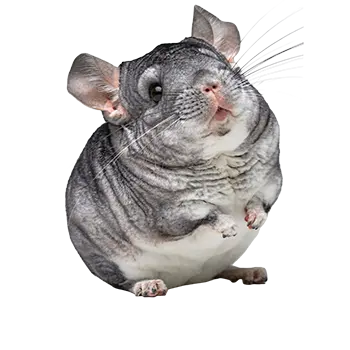

Chinchillas have the densest fur of any land animal, with up to eighty individual hairs growing from a single follicle. This extraordinary coat requires a specific grooming approach that differs fundamentally from other pets. Chinchillas should never be bathed in water, as their dense fur absorbs moisture deeply and dries extremely slowly, creating ideal conditions for fungal infections and hypothermia. Instead, all coat maintenance is accomplished through regular dust baths using fine volcanic pumice dust specifically formulated for chinchilla use.
A quality dust bath container is one of the first accessories any chinchilla owner should acquire. Enclosed bath houses with a single entry opening minimize the amount of dust that escapes into the surrounding room while providing the chinchilla with a sense of security during bathing. Glass, ceramic, and heavy-duty plastic options are all available, with heavier materials offering the advantage of staying in place during vigorous rolling sessions. The container should be large enough for the chinchilla to roll and flip without restriction.
A fine-toothed metal comb designed for small animals is useful for occasional spot-grooming, particularly around the hindquarters and under the chin where fur can become tangled or clumped. Grooming should be gentle and infrequent—over-combing strips natural oils and can stress the chinchilla. Most healthy chinchillas with regular dust bath access require almost no manual grooming intervention.
Dust storage matters more than many owners realize. Chinchilla dust absorbs moisture from the air, which reduces its effectiveness over time. Keeping your supply in an airtight container in a cool, dry location preserves its absorbent properties. Discard used dust after two or three baths, as accumulated oils and debris render it less effective and can reintroduce contaminants to the coat during subsequent sessions.