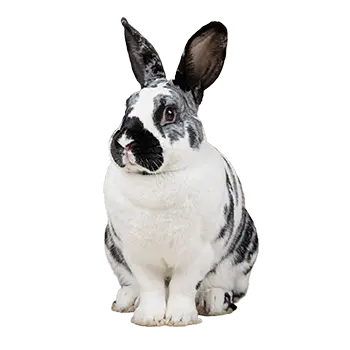

Activity monitoring technology designed for small animals has advanced considerably, and some products now offer genuine utility for rabbit owners who want objective data about their pet's daily patterns. The basic premise is straightforward: a lightweight sensor attached to the rabbit or its enclosure tracks movement, rest periods, and activity intensity, then transmits that data to a smartphone app where it can be reviewed over time. For a Checkered Giant, whose large size makes subtle behavioral changes harder to notice, having a quantitative activity baseline can help detect the early slowdowns that precede illness.
The most practical devices for rabbits are collar-mounted or harness-attached accelerometers that weigh only a few grams and do not impede movement. Collar-style monitors designed for cats are often the closest size match for a Checkered Giant, though any device attached to the rabbit must be checked regularly for fit and integrity. Rabbits will chew accessible straps and housings, so the device should be positioned where the rabbit cannot reach it with its teeth, and the attachment method should be secure enough that a determined grooming session will not dislodge it.
The real value of activity monitoring lies in trend analysis rather than any single day's data. A Checkered Giant that normally logs six hours of moderate activity per day but suddenly drops to two hours is telling you something important. This kind of gradual decline might go unnoticed through casual observation, especially in multi-rabbit households, but shows up clearly in tracked data. Some monitoring platforms allow you to set alerts for significant deviations from baseline patterns, which can prompt a veterinary consultation before a minor issue becomes serious.
Weight tracking, while not always built into wearable monitors, is another critical health metric for this breed. Maintaining a weekly weight log using a simple digital kitchen scale or baby scale helps detect both weight loss from dental disease or illness and weight gain from overfeeding. Plotting weight over time reveals trends that periodic veterinary weigh-ins cannot capture.