
Space Requirements

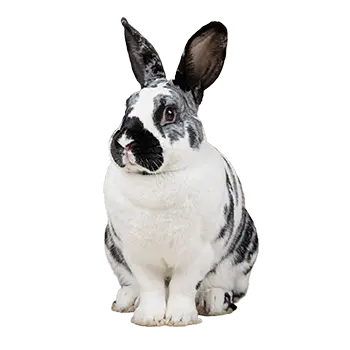
The Checkered Giant is among the largest domestic rabbit breeds, regularly exceeding eleven pounds, and its housing needs reflect that substantial frame. The commonly cited guideline of four times the rabbit's stretched-out length applies here, but given the Checkered Giant's active and athletic disposition, erring on the side of more space is always the better approach. A primary enclosure for a single adult should provide a minimum of twelve square feet of living space, with an attached or regularly accessible exercise area of at least twenty-four square feet.

Height matters as much as floor area for this breed. Checkered Giants stand tall when alert and enjoy periscoping to survey their surroundings. An enclosure ceiling lower than twenty-four inches will restrict natural posture and can lead to spinal problems over time. Ideally, the enclosure should allow the rabbit to stand fully upright on its hind legs without its ears touching the top.

Many standard pet-store rabbit cages are completely inadequate for a Checkered Giant. Products marketed as large rabbit cages often provide only six to eight square feet of floor space, which might suit a two-pound Netherland Dwarf but leaves a Checkered Giant essentially confined to a space barely larger than its own body. Owners should look at exercise pen systems, custom-built enclosures, or dedicated rabbit rooms rather than trying to find a commercial cage that fits this breed's needs.

Free-roaming setups, where the rabbit has access to a rabbit-proofed room or section of the house with a home base enclosure for sleeping and feeding, are increasingly popular and well-suited to the Checkered Giant's temperament. This breed thrives with freedom of movement and becomes visibly more engaged and content when given adequate space to run, binky, and explore throughout the day.

Indoor Hutches & Enclosures

For owners who prefer a defined enclosure rather than full free-roaming, exercise pen configurations offer the best combination of space, flexibility, and affordability for Checkered Giants. Metal exercise pens designed for medium dogs can be connected to create large rectangular or L-shaped enclosures that provide ample room. These panels are typically thirty to thirty-six inches tall, which is sufficient for most Checkered Giants, though particularly athletic individuals may require taller panels or a roof panel.

Custom-built enclosures using storage cube grids or wooden frames with wire mesh panels are another excellent option. These allow owners to tailor dimensions precisely to their available space and their rabbit's needs. When building a custom enclosure, use rabbit-safe materials and ensure that wire spacing is narrow enough to prevent the rabbit from pushing its head through. Powder-coated wire is preferable to bare galvanized wire, which can be harmful if chewed.

Flooring within the enclosure deserves careful attention. Wire-bottom cages should be avoided entirely for Checkered Giants. The breed's large size concentrates significant weight on the hock area, and wire flooring dramatically increases the risk of sore hocks, a painful condition that can become chronic. Solid flooring with washable fleece liners, cotton bath mats, or seagrass mats provides comfortable traction and protects the feet. Some owners use interlocking foam tiles covered with fleece for easy cleaning and cushioning.

The enclosure layout should include distinct zones for eating, sleeping, and toileting. Rabbits are naturally tidy animals that prefer to keep these activities separated. Placing the hay rack near the litter box encourages the rabbit to eat while using the bathroom, which is a natural behavior that reinforces litter training. A covered hiding area or enclosed shelter within the enclosure gives the rabbit a retreat space where it can feel secure.

Bedding & Litter

Choosing the right bedding and litter substrates is essential for maintaining hygiene, controlling odor, and protecting your Checkered Giant's respiratory health. Paper-based bedding products are widely considered the safest option for rabbits. They are highly absorbent, virtually dust-free, and do not contain the volatile oils found in softwood shavings. Kiln-dried pine shavings are acceptable if properly processed to remove phenols, but cedar shavings should never be used due to their aromatic compounds, which can cause liver damage and respiratory irritation.

For the litter box specifically, paper-based pellet litter is the most popular choice among experienced rabbit owners. These pellets absorb urine efficiently, break down into sawdust when saturated, and make it easy to gauge when the box needs changing. A generous layer of two to three inches in the bottom of the litter box, topped with a handful of hay to encourage the rabbit to spend time there, creates an effective and comfortable setup. Avoid clumping cat litters, crystal litters, and corn-based litters, all of which pose ingestion risks or fail to perform well with rabbit urine.

Litter box size is frequently underestimated for large breeds. A standard cat litter box may technically work for a smaller rabbit, but a Checkered Giant needs a large or extra-large cat pan, or even a shallow storage container, to comfortably sit inside with room to turn around. An undersized litter box leads to overhanging and missed deposits, which creates unnecessary cleaning work and can discourage consistent litter habits.

Cleaning frequency depends on the number of rabbits and the size of the litter box, but a complete litter change every three to four days is typical for a single Checkered Giant. Spot-cleaning soiled areas daily and topping off hay keeps the area fresh between full changes. Washing the litter box with white vinegar during changes helps dissolve calcium deposits from urine and prevents buildup that can harbor bacteria.

Outdoor Enclosures

Outdoor housing can provide Checkered Giants with fresh air, natural light, and access to grazing, but it requires significantly more planning than indoor setups to ensure safety and comfort. A well-designed outdoor enclosure must protect against predators, weather extremes, and escape. This means solid construction with buried wire mesh or a mesh floor skirt to prevent digging predators, secure latches that raccoons and other dexterous animals cannot open, and a fully enclosed roof to deter aerial predators like hawks and owls.

The enclosure should include a weatherproof shelter area where the rabbit can retreat from sun, rain, wind, and temperature extremes. This shelter needs adequate ventilation to prevent humidity buildup while blocking direct drafts. A raised floor in the shelter section helps prevent moisture wicking up from the ground, which can lead to damp bedding and respiratory issues. The shelter should be large enough for the rabbit to stretch out comfortably and should be insulated or heated in climates where temperatures regularly drop below freezing.

Placement of the outdoor enclosure matters enormously. Choose a location with morning sun and afternoon shade, as rabbits are highly susceptible to heat stroke and direct sun during the hottest part of the day can be fatal. Avoid areas near roads, property lines where neighborhood dogs might approach, or low-lying spots that collect standing water. The enclosure should be positioned where you can easily observe the rabbit from inside the house and where daily interaction is convenient, since outdoor rabbits that receive less social contact can become withdrawn and stressed.

Grass runs or movable tractors allow Checkered Giants to graze on fresh lawn, which provides enrichment and supplemental nutrition. However, the grazing area must be free of pesticides, herbicides, and fertilizers, and should be inspected for toxic plants before each use. Even with secure outdoor housing, many experienced owners recommend bringing rabbits indoors during extreme weather events, overnight in areas with active predator populations, and during any period when close health monitoring is needed.

Climate Considerations

Rabbits are far more tolerant of cold than heat, and this is especially true for the Checkered Giant, whose large body mass makes heat dissipation more difficult. Temperatures above eighty degrees Fahrenheit pose a genuine risk of heat stroke for this breed. Indoor housing should be in a climate-controlled space, and outdoor enclosures need shade, ventilation, and emergency cooling options during warm months. Frozen water bottles, ceramic tiles for the rabbit to lie on, and misting fans positioned to create indirect air movement can all help manage heat.

Cold weather is generally less dangerous, but prolonged exposure to temperatures below twenty degrees Fahrenheit requires additional precautions. Extra bedding, draft elimination, and ensuring water sources do not freeze are the primary concerns. A healthy adult Checkered Giant with a dry, insulated shelter can tolerate moderately cold temperatures, but young rabbits, elderly rabbits, and those with health conditions need warmer accommodations. Heating pads designed for pets can be placed under bedding in the shelter area, but must be chew-proof and thermostatically controlled.

Humidity is an often-overlooked environmental factor. High humidity combined with warmth creates conditions that promote respiratory infections and fly strike, while excessively dry air can irritate nasal passages and cause skin flaking. Indoor humidity between forty and sixty percent is ideal. Dehumidifiers or air conditioning in humid climates and humidifiers in arid regions help maintain a healthy range.

Seasonal light cycles also affect rabbit behavior and health. Rabbits exposed to natural light patterns may experience seasonal changes in appetite, shedding, and activity level. Indoor rabbits in artificially lit environments benefit from a consistent light cycle of twelve to fourteen hours of light followed by ten to twelve hours of darkness, which helps regulate circadian rhythms and hormonal balance.

Multi-Rabbit Households

Checkered Giants are generally sociable animals that benefit from the companionship of another rabbit, but introducing and housing multiple rabbits requires careful planning. Bonded pairs typically share living space without conflict, but the bonding process itself can take days to weeks and should be conducted in neutral territory where neither rabbit has established dominance. Rushing introductions is one of the most common causes of serious injuries in multi-rabbit households.

Housing for bonded pairs needs to be proportionally larger than a single-rabbit setup. If twelve square feet is the minimum for one Checkered Giant, a bonded pair should have at least twenty square feet of primary enclosure space plus expanded exercise areas. Each rabbit should have access to its own hiding spot within the shared enclosure, even if the pair typically chooses to rest together. Having individual retreat options reduces stress during minor disagreements and helps maintain a stable bond.

Unbonded rabbits should never share an enclosure, and even adjacent enclosures need solid dividers or sufficient spacing to prevent territorial aggression through the bars. Housing unbonded rabbits in side-by-side pens with only wire between them can cause chronic stress, barbering, and fence-fighting injuries. If you plan to house multiple unbonded rabbits, ensure each has its own complete setup with visual barriers and separate exercise times.

Spaying and neutering are essential for multi-rabbit households regardless of the sex combinations involved. Intact rabbits of opposite sexes will breed rapidly, and same-sex pairs of intact rabbits frequently develop hormonal aggression that destroys bonds and can result in serious wounds. Beyond behavioral benefits, spaying and neutering also reduce the risk of reproductive cancers, which are common in unaltered rabbits. Most rabbit-savvy veterinarians recommend altering by four to six months of age.

Always consult a qualified professional before making any health-related decisions. This content is provided for informational reference only and should not replace professional guidance specific to your animal.