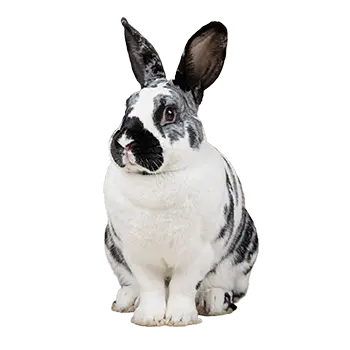

The Checkered Giant is one of the larger rabbit breeds, often exceeding eleven pounds at maturity, and that size brings nutritional demands that differ meaningfully from those of smaller companion rabbits. Their metabolism supports a muscular, arched body type that requires a steady intake of high-fiber forage, moderate protein, and carefully controlled calories. Overfeeding energy-dense foods is a common mistake with large breeds because owners assume bigger rabbits need proportionally more pellets, when in reality the foundation of the diet should still be unlimited grass hay.
Fiber is the single most important macronutrient for any rabbit, and for the Checkered Giant it plays a dual role in digestive health and dental maintenance. A fiber content of at least eighteen to twenty percent in any commercial feed helps keep the gut motile and prevents the dangerous slowdowns that lead to gastrointestinal stasis. Because Checkered Giants have longer digestive tracts relative to dwarf breeds, any disruption in gut flora can escalate quickly, making consistent high-fiber feeding non-negotiable.
Protein requirements for this breed sit in the twelve to fourteen percent range for healthy adults, though growing kits and nursing does may need slightly more. Fat should remain low, generally between two and four percent of the total diet. Calcium is another nutrient to watch carefully. While young Checkered Giants need calcium for skeletal development, adult rabbits are prone to calcium-based urinary sludge if their intake is too high. Balancing these nutrients through a combination of hay, measured pellets, and fresh vegetables is the best approach to long-term health.
Vitamins A and D are typically supplied through leafy greens and limited sun exposure, but owners who keep their rabbits exclusively indoors should pay attention to whether their pellet blend includes adequate vitamin D fortification. Water intake is also critical for a breed this size. A Checkered Giant may drink significantly more than a Holland Lop or Mini Rex, so fresh water should always be available in a volume-appropriate container.