
Play Style & Drive

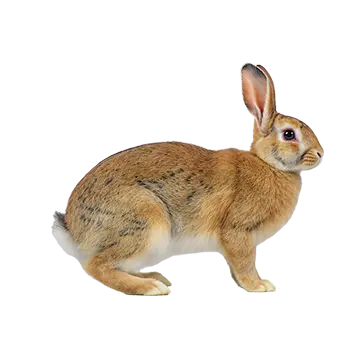
Belgian Hares are among the most energetic and curious rabbit breeds, and their play behavior reflects a strong combination of exploration drive, athleticism, and nervous alertness. Unlike many companion rabbit breeds that are content to lounge for much of the day, Belgian Hares actively seek stimulation and will create their own entertainment — often destructively — if appropriate outlets are not provided. Understanding this breed's play tendencies is the first step to choosing enrichment that actually works.

This breed tends to favor toys and activities that involve movement. Running, leaping, and sudden direction changes are hallmarks of Belgian Hare play, and they will often engage in spontaneous binkies and zoomies when given enough open space. Their play style is quick, intense, and often short in duration — a Belgian Hare may engage vigorously with a toy for ten minutes and then move on to something else entirely. Rotating toys frequently keeps them engaged.

Belgian Hares are also highly investigative. They want to nose into, push around, toss, and dismantle objects in their environment. Toys that can be manipulated — rolled, lifted, knocked over, or shredded — appeal to this instinct far more than static objects that simply sit in the enclosure. If a toy does nothing when the rabbit interacts with it, the Belgian Hare will lose interest almost immediately.

It is worth noting that this breed's nervous temperament means new toys should be introduced thoughtfully. Placing a large, unfamiliar object directly in the middle of the enclosure can startle a Belgian Hare rather than intrigue it. Set new items at the enclosure's edge and let the rabbit approach and investigate on its own terms. Most Belgian Hares will warm up to novel objects within a day if given the space to do so without pressure.

Foraging & Puzzle Toys

Foraging toys are arguably the single most important enrichment category for Belgian Hares. In the wild, rabbits spend the majority of their waking hours searching for and consuming food, and replicating this behavior in captivity satisfies deep instinctual needs while also slowing down food consumption and reducing boredom. For a high-energy breed like the Belgian Hare, foraging enrichment can be the difference between a calm, contented rabbit and a destructive, anxious one.

Simple foraging setups can be highly effective. Stuffing hay into a paper towel tube, hiding pellets inside a loosely crumpled paper bag, or scattering greens throughout the enclosure for the rabbit to seek out all encourage natural foraging behavior. These low-cost approaches work well because Belgian Hares are motivated problem solvers — the challenge of extracting food from a container or locating hidden treats is inherently rewarding for them.

Commercial puzzle feeders designed for rabbits or small animals add another layer of complexity. Look for products that require the rabbit to lift lids, slide panels, or dig through compartments to access food rewards. Start with simpler puzzles and progress to more difficult ones as your Belgian Hare builds confidence and skill. If a puzzle is too difficult initially, the rabbit may become frustrated and abandon it, so seed early attempts with easy wins.

A digging box filled with shredded paper, hay, or untreated soil with treats buried throughout provides excellent combined physical and mental enrichment. Belgian Hares are enthusiastic diggers, and channeling this behavior into an appropriate outlet protects your flooring and furniture while giving the rabbit a satisfying activity. Refresh the contents regularly to maintain the rabbit's interest, and supervise initial sessions to ensure the rabbit is not ingesting non-food filling materials.

Chew Toys & Dental Health

Chewing is a biological necessity for rabbits, not a behavioral problem. Rabbit teeth grow continuously throughout their lives at a rate of roughly two to three millimeters per week, and chewing on fibrous, abrasive materials is the primary mechanism that keeps teeth worn to a healthy length. Belgian Hares that lack appropriate chew toys will redirect this need onto enclosure components, baseboards, furniture, and electrical cords — all of which pose serious risks.

Apple wood, willow, and pear wood branches are among the best natural chew options for Belgian Hares. These fruit woods are safe when untreated and unsprayed, and their density provides the resistance needed for effective tooth wear. Avoid cherry, plum, peach, and apricot wood, as these stone fruit woods contain compounds that can be harmful to rabbits. Any branches offered should be thoroughly dried and sourced from trees that have not been treated with pesticides or herbicides.

Commercial chew toys made from compressed hay, woven seagrass, or untreated wicker provide variety and are widely available. Belgian Hares tend to prefer chew toys they can grip and manipulate, so items like seagrass mats, woven grass balls, and braided hay rings often see more use than flat wooden blocks. Hanging chew toys that swing when gnawed add a dynamic element that appeals to this breed's preference for interactive objects.

Replace chew toys regularly as they become worn, soiled, or reduced to small fragments that could pose a choking risk. A good practice is to maintain three to five different chew items in the enclosure at any time and rotate them weekly, removing a couple and adding new or rested ones. This rotation system keeps the chewing options feeling fresh and maintains the rabbit's interest over time.

Tunnels & Physical Play

Tunnels are one of the most universally loved toys among Belgian Hares, appealing to the species' instinct to seek covered pathways and bolt-holes. A tunnel system transforms open floor space into an environment that mimics the burrow-to-foraging-ground transition that wild rabbits navigate daily. Belgian Hares will sprint through tunnels at impressive speed, use them as resting hideouts, and position themselves at tunnel entrances to survey their surroundings — all healthy, natural behaviors.

Cardboard tunnels offer an inexpensive and replaceable option that also satisfies the urge to chew and shred. Large mailing tubes, appliance boxes with both ends open, and custom-cut cardboard arrangements all work well. The disposable nature of cardboard is actually an advantage — when the tunnel becomes tattered from enthusiastic use, it simply gets recycled and replaced. Some owners create elaborate cardboard tunnel networks that connect different areas of the rabbit's exercise space.

Fabric and collapsible nylon tunnels designed for cats or small dogs are durable alternatives that hold up longer than cardboard. Choose tunnels with a diameter of at least ten inches to accommodate the Belgian Hare's relatively long body comfortably. Avoid tunnels with small openings or tight curves that could trap a panicking rabbit — Belgian Hares that feel stuck will thrash violently and can injure themselves trying to escape a constricted space.

Platforms, ramps, and low obstacles create a physical play environment that encourages the jumping and climbing Belgian Hares naturally enjoy. Sturdy wooden platforms at varying heights, connected by wide ramps with non-slip surfaces, give the rabbit a three-dimensional space to explore. Keep platform heights reasonable — no more than 18 inches — since falls from elevation can cause spinal injuries in rabbits, whose skeletal structure is fragile relative to their body mass.

Comfort & Companion Items

Despite their active nature, Belgian Hares also need quiet resting spaces where they feel completely safe. Soft fleece blankets, plush mats, or padded resting pads placed in hideout boxes or sheltered enclosure corners serve as comfort items that many Belgian Hares bond with over time. Some individuals will rearrange their bedding material extensively, bunching and pushing fleece into preferred configurations — this nesting behavior is healthy and should be encouraged rather than corrected.

Stuffed animals or soft fabric toys are hit-or-miss with Belgian Hares. Some rabbits will groom, snuggle against, and chin-mark a stuffed companion, treating it as a social surrogate. Others will completely ignore it or shred it within hours. If your Belgian Hare shows interest in a stuffed toy, ensure it does not contain small plastic eyes, buttons, or internal noise-making devices that could be ingested if the rabbit chews into it. Choose simple construction with minimal small parts.

For single Belgian Hares, a mirror placed near the enclosure can provide visual companionship stimulation. The rabbit will see its reflection and may interact with it as though it were another rabbit. This should not be considered a substitute for actual companionship — Belgian Hares are social animals that generally benefit from living with a bonded partner — but it can provide mild enrichment for solitary rabbits between owner interaction sessions.

Scent enrichment is an underutilized comfort strategy for Belgian Hares. A small cloth rubbed against the owner's skin and placed in the resting area carries familiar scent that can be calming for a nervous rabbit. Similarly, dried herb sachets containing lavender or chamomile placed near but not inside the enclosure provide gentle aromatherapy that some owners report has a soothing effect on high-strung individuals.

DIY & Budget Options

Some of the most effective Belgian Hare toys cost nothing at all. A cardboard box with entrance and exit holes cut in the sides becomes an instant hideout and chew toy. Paper grocery bags with the handles removed make crinkly tunnels and foraging toys when stuffed with hay and a few hidden pellets. Toilet paper and paper towel tubes stuffed with hay are classic foraging enrichers that take seconds to prepare and provide minutes of engaged activity.

Old phone books — the uncoated, soy-ink variety — make excellent shredding toys for Belgian Hares. Place one in the enclosure and the rabbit will spend extended periods ripping pages out, tossing them around, and digging through the remains. This satisfies shredding, digging, and manipulating instincts simultaneously. Remove the glossy cover first, as coated paper may contain chemicals that are unsafe if ingested in quantity.

A simple obstacle course built from household items provides both physical and mental exercise. Use books or bricks as low hurdles, drape a towel over a row of upright tubes to create a curtain passage, and arrange furniture to create a winding path through the exercise area. Belgian Hares will learn a course layout quickly and then run it with increasing speed and confidence. Changing the layout every few days keeps the challenge fresh and forces the rabbit to problem-solve new navigation paths.

Kitchen herb pots serve triple duty as enrichment, nutrition, and decor. Plant parsley, cilantro, mint, or basil in sturdy ceramic pots and place them in the exercise area for supervised grazing sessions. The Belgian Hare gets the sensory experience of foraging from a living plant, the nutritional benefit of fresh herbs, and the mental stimulation of a novel object. Rotate pots out to allow regrowth, and ensure no fertilizers or pesticides are used on plants intended for rabbit consumption.

Always consult a qualified professional before making any health-related decisions. This content is provided for informational reference only and should not replace professional guidance specific to your animal.