
Nutritional Needs

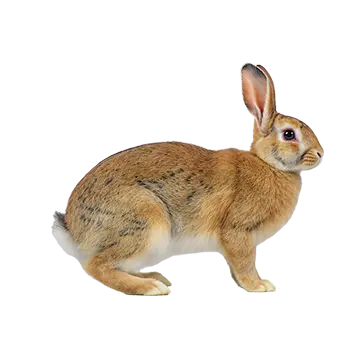
The Belgian Hare is one of the most athletic and active rabbit breeds, and its diet must reflect that energy output. Unlike stockier, more sedentary breeds, Belgian Hares maintain a lean, racy build that requires a careful balance of fiber, protein, and limited fat. Their high metabolism means they burn through calories quickly, but overfeeding calorie-dense foods can lead to digestive problems rather than healthy weight gain.

Hay should form the overwhelming majority of the Belgian Hare's diet — roughly 80 percent or more of daily intake. Timothy hay is the gold standard for adult Belgian Hares, providing the long-strand fiber essential for healthy gut motility and proper tooth wear. Because this breed is prone to nervous energy and stress-related digestive slowdowns, a constant and unlimited supply of hay is non-negotiable.

Protein needs are slightly elevated compared to many companion rabbit breeds, owing to the Belgian Hare's lean muscle mass and active lifestyle. Look for pellet formulations in the 14–16 percent protein range for adults, which supports muscle maintenance without encouraging excessive weight. Young Belgian Hares under six months may benefit from alfalfa-based hay and higher-protein pellets to support their rapid growth phase, but the transition to timothy-based feeding should begin promptly as they mature.

Fresh water must be available at all times. Belgian Hares tend to drink more than less active breeds, particularly during warm weather or after vigorous exercise. Monitor water consumption as a health indicator — sudden drops can signal illness or stress, both of which this sensitive breed is susceptible to.

What to Look For

When selecting hay for a Belgian Hare, quality matters enormously. Good timothy hay should be green, fragrant, and free of excessive dust or brown stems. Hay that smells musty or appears yellowed has lost much of its nutritional value and may harbor mold spores that can trigger respiratory issues in this sensitive breed. Buy from suppliers who store hay properly and rotate stock frequently.

Pellet selection requires reading ingredient lists carefully. The first ingredient should always be a grass hay — timothy or orchard grass for adults. Avoid pellets that contain dried corn, seeds, nuts, or colorful extruded pieces, as these are fillers that offer little nutritional value and can cause dangerous digestive blockages. A good pellet will have fiber content above 18 percent, protein around 14–16 percent, fat below 3 percent, and calcium under 1 percent for adult rabbits.

Freshness is a factor many owners overlook. Pellets lose nutritional potency over time, particularly their vitamin content. Purchase in quantities your rabbit will consume within about six weeks, and store them in an airtight container away from heat and moisture. The same principle applies to hay — buying in bulk saves money, but only if you can store it in a cool, dry, well-ventilated space where it won't degrade.

For fresh vegetables, prioritize dark leafy greens such as romaine lettuce, cilantro, parsley, and dandelion greens. These provide essential vitamins, hydration, and dietary variety. Introduce new greens one at a time and watch for any signs of soft stool or digestive upset, as individual Belgian Hares can have sensitivities that differ from general breed guidelines.

Recommended Dry Food

A high-quality timothy-based pellet serves as the nutritional backbone alongside unlimited hay. For adult Belgian Hares, a measured daily portion of approximately one-quarter cup of pellets per five pounds of body weight is a reasonable starting point, though individual needs vary with activity level and condition. Because Belgian Hares are so active, some individuals may need slightly more than sedentary breeds of similar size, but pellets should never displace hay consumption.

Look for pellets that are uniform in appearance — single-component extruded or pressed pellets rather than muesli-style mixes. Muesli mixes encourage selective feeding, where the rabbit picks out the sugary or fatty bits and leaves the nutritious base behind. This is a particular concern with Belgian Hares, whose nervous temperament can make them finicky eaters prone to developing strong preferences for less healthy components.

Orchard grass and botanical hay blends can supplement the primary timothy supply and add variety that keeps the Belgian Hare interested in foraging. Oat hay is another excellent option and provides a slightly different texture and flavor profile. Rotating between two or three hay types often improves overall intake, which is beneficial for a breed that needs to keep its digestive system moving constantly.

Consider the pellet's manufacturing date when purchasing. Vitamins A and D degrade significantly within a few months of production, and pellets sitting on store shelves for extended periods may look fine but deliver subpar nutrition. Specialty rabbit supply retailers tend to have faster stock turnover than general pet stores, making them a better source for fresh product.

Wet & Fresh Options

Fresh vegetables should make up roughly 10–15 percent of the Belgian Hare's daily diet. A varied rotation of leafy greens provides vitamins, minerals, and the hydration boost that complements the dry fiber base. Aim for about one packed cup of greens per two pounds of body weight daily, divided across two feedings if possible to maintain steady gut activity throughout the day.

Safe staple greens include romaine lettuce, red and green leaf lettuce, cilantro, basil, mint, dill, and watercress. Herbs in particular are excellent for Belgian Hares — many contain natural compounds that support digestive health, and their strong aromas can stimulate appetite in nervous or stressed individuals. Parsley and cilantro are favorites that most Belgian Hares will eat eagerly.

Higher-calcium greens like kale, mustard greens, and Swiss chard should be offered in moderation — no more than a couple of times per week — to avoid contributing to urinary calcium buildup. Similarly, cruciferous vegetables like broccoli and cabbage can cause gas in some rabbits and should be introduced cautiously and fed sparingly. Every Belgian Hare has individual tolerances, so observe your rabbit's droppings and behavior after introducing any new food.

Fresh herbs grown at home offer the best quality and value. A small container garden of parsley, cilantro, basil, and mint provides a rotating supply of pesticide-free greens at minimal cost. Wash all produce thoroughly before feeding, even organic varieties, to remove surface contaminants. Wilted or slimy greens should be discarded immediately, as spoiled produce can trigger dangerous gastrointestinal stasis in rabbits.

Treats & Supplements

Treats should be given sparingly and strategically with Belgian Hares. Because this breed is highly active and often nervous, treats work best as training rewards and trust-building tools rather than routine snacks. Small pieces of fresh fruit — a thumbnail-sized portion of apple, banana, strawberry, or blueberry — make excellent occasional treats. Limit fruit to no more than one to two tablespoons per day due to the high sugar content.

Dried herbs and foraged plants offer a healthier treat alternative that aligns more closely with the Belgian Hare's natural diet. Dried rose petals, chamomile flowers, calendula, and plantain leaves are well-received and provide minor nutritional benefits without the sugar load of fruit. These can be scattered in the enclosure to encourage natural foraging behavior, which also serves as mental enrichment for this intelligent breed.

Most healthy adult Belgian Hares on a well-rounded diet of quality hay, measured pellets, and varied greens will not require supplements. However, rabbits recovering from illness, elderly individuals, or those with documented deficiencies may benefit from targeted supplementation under veterinary guidance. Vitamin supplements marketed broadly for rabbits are often unnecessary and can cause imbalances if used without a specific medical reason.

Avoid commercial treat products marketed with yogurt coatings, honey, or seed clusters. These are far too high in sugar and fat for any rabbit, and the Belgian Hare's sensitive digestive system is particularly ill-equipped to handle them. Stick with whole-food treats and you will avoid the most common dietary pitfalls that lead to obesity and GI problems.

Foods to Avoid

Several common foods are outright dangerous for Belgian Hares and must be kept well out of reach. Iceberg lettuce contains lactucarium, which can cause diarrhea and has virtually no nutritional value. Potatoes, onions, garlic, and leeks are toxic to rabbits and can cause serious organ damage even in small quantities. Rhubarb leaves, avocado, and chocolate are similarly toxic and potentially fatal.

Bread, crackers, pasta, cereal, and other processed human foods should never be offered, even as occasional treats. These starchy, low-fiber foods disrupt the delicate microbial balance in the rabbit's cecum and can trigger gastrointestinal stasis — a life-threatening condition where the digestive system slows or stops entirely. Belgian Hares are particularly vulnerable to GI stasis due to their stress-prone nature, making dietary vigilance especially important.

Nuts and seeds are too high in fat for rabbits and pose choking hazards as well. Corn — whether fresh, dried, or as an ingredient in pellet mixes — is indigestible and can cause dangerous intestinal blockages. Many commercial treat mixes marketed for rabbits contain corn, seeds, and dried fruit pieces coated in sugar, making them a poor choice despite their appealing packaging.

Be cautious with garden plants and outdoor foraging. While Belgian Hares can enjoy many garden greens, numerous common plants are toxic to rabbits, including foxglove, lily of the valley, nightshade, buttercups, and many ornamental flowers. If you allow your Belgian Hare supervised outdoor time in a garden, ensure the area has been thoroughly checked for toxic species and has not been treated with pesticides, herbicides, or chemical fertilizers.

Feeding Schedule

Belgian Hares thrive on a consistent feeding routine that aligns with their natural crepuscular activity pattern — they are most active at dawn and dusk. The ideal schedule offers fresh hay replenishment in the morning and evening, a measured pellet portion once daily (or split into two smaller servings), and fresh greens divided between morning and evening meals. Consistency is especially important for this breed, as their nervous temperament makes them sensitive to disruptions in routine.

Hay should be available around the clock without exception. Check the hay rack or feeding area at least twice daily and refresh it even if hay remains, as Belgian Hares may reject hay that has been sitting out and becoming stale or soiled. A rabbit that stops eating hay for more than 12 hours is at risk for GI stasis and should be seen by a veterinarian promptly.

Fresh water should be checked and refilled at every feeding time. Many Belgian Hare owners find that offering both a water bottle and a heavy ceramic crock provides options — some rabbits prefer one over the other, and having both ensures adequate hydration. Clean water containers daily to prevent bacterial buildup, and scrub them thoroughly at least twice a week.

Monitor your Belgian Hare's weight monthly using a kitchen scale or small pet scale. This breed should feel lean and muscular, with ribs easily felt under a thin layer of flesh but not visually prominent. Weight fluctuations of more than a few ounces in either direction warrant a review of portion sizes and a veterinary consultation if the trend continues. Adjust pellet quantities seasonally as well — Belgian Hares with access to exercise space may need slightly more in winter when they burn more energy maintaining body temperature.

Always consult a qualified professional before making any health-related decisions. This content is provided for informational reference only and should not replace professional guidance specific to your animal.