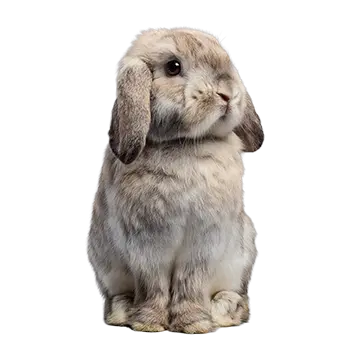

Space Requirements

Despite being one of the smaller rabbit breeds at three to four pounds, the American Fuzzy Lop is an active and curious animal that needs considerably more space than many first-time owners expect. The minimum recommended enclosure size for a single rabbit of this size is at least four times the rabbit's fully stretched body length in floor area, which translates to roughly twelve square feet of primary living space. However, bigger is always better, and many experienced rabbit owners find that exercise pens or dedicated rabbit rooms produce happier, healthier animals than traditional cages.

Floor space matters far more than vertical height for rabbits. A tall, narrow cage with multiple levels may look spacious, but rabbits are ground-dwelling animals that need room to hop, binky, and stretch out flat. When evaluating an enclosure, prioritize uninterrupted floor area over total cubic volume. The rabbit should be able to take at least three full hops in one direction without hitting a wall, and should be able to stand on its hind legs without its ears touching the ceiling.

In addition to the primary enclosure, American Fuzzy Lops benefit greatly from daily supervised exercise time in a larger bunny-proofed area. A minimum of three to four hours of free-roaming time per day allows the rabbit to express natural behaviors like running, exploring, and investigating its environment. Some owners set up permanent exercise pens attached to the main enclosure so the rabbit can move freely between its home base and a larger play area throughout the day.

The wool coat of the American Fuzzy Lop adds a specific housing consideration: flooring texture. Wire-bottom cages, which are still unfortunately common in pet stores, are harmful to rabbit feet and can cause sore hocks. They are especially problematic for wooled breeds because loose wool fibers catch on the wire, creating matting and discomfort. Solid flooring with appropriate bedding or washable fleece liners is essential for this breed.

Indoor Cages & Hutches

For owners housing their American Fuzzy Lop indoors, the most popular enclosure options are exercise pen setups, large single-level cages, and dedicated rabbit condos. Exercise pens, often called x-pens, consist of connected panels that can be arranged in various configurations and expanded as needed. They offer excellent floor space, easy cleaning access, and the flexibility to reshape the living area to fit different rooms or situations.

Traditional rabbit cages with solid plastic bottoms and wire tops remain a common choice, particularly for owners who need a fully enclosed space to prevent unsupervised roaming. When selecting this type of cage, look for the largest footprint you can accommodate. The cage should have a wide door or a fully removable top for easy access during cleaning and interaction. Side doors are helpful for letting the rabbit come and go during exercise time without being lifted, which reduces stress and the risk of injury from struggling.

Multi-level rabbit condos and wooden hutch-style enclosures designed for indoor use can work well if they provide adequate floor space on each level. Ramps between levels should be gentle in slope, have solid surfaces with traction, and be wide enough for the rabbit to navigate comfortably. Avoid steep or narrow ramps, as rabbits can injure their spines in falls. For a wooled breed like the American Fuzzy Lop, ensure that ramp surfaces and enclosure materials will not snag or tangle the coat.

Regardless of enclosure style, the interior should be arranged with distinct zones for eating, resting, and using the litter box. Rabbits are naturally tidy animals that prefer to designate separate areas for different activities. Placing the hay rack near the litter box encourages simultaneous eating and toileting, which is a natural rabbit behavior and helps with litter training.

Bedding & Litter

Choosing the right bedding and litter is particularly important for the American Fuzzy Lop because its wool coat will pick up and hold any loose substrate material it contacts. Paper-based bedding is the most widely recommended option for wooled breeds. It is absorbent, relatively dust-free, and does not cling to wool the way wood shavings or straw can. Compressed paper pellets used in the litter box area offer excellent odor control and moisture absorption.

Cedar and pine shavings should be avoided entirely. Both contain aromatic oils called phenols that can irritate a rabbit's respiratory system and have been linked to liver damage with prolonged exposure. Kiln-dried pine that has had most phenols removed is considered safer by some owners, but paper-based alternatives eliminate the concern altogether. Clumping cat litter is dangerous for rabbits and must never be used, as ingestion can cause fatal intestinal blockages.

Many American Fuzzy Lop owners use washable fleece liners as their primary flooring solution. Fleece wicks moisture away from the surface, keeping the rabbit dry and comfortable, while an absorbent layer underneath captures liquid. This approach virtually eliminates substrate particles from getting trapped in the wool and reduces ongoing bedding costs. Liners need to be shaken out daily to remove hay and droppings, and washed every few days with a gentle, fragrance-free detergent.

In the litter box specifically, a layer of paper-based pellet litter topped with a generous pile of hay works extremely well. The rabbit will sit in the box eating hay while naturally depositing waste below, reinforcing good litter habits. Litter boxes should be scooped daily and fully changed every three to four days to maintain hygiene and prevent ammonia buildup, which is harmful to rabbit respiratory health.

Outdoor Enclosures

Some owners choose to house their American Fuzzy Lops outdoors, either full-time or during favorable weather. Outdoor housing requires significantly more planning and investment than indoor setups because the rabbit must be protected from predators, weather extremes, and parasites. A secure outdoor hutch should be constructed of sturdy, chew-resistant materials with heavy-gauge wire mesh on any open sides and multiple locking mechanisms to prevent raccoons, foxes, and other predators from gaining entry.

The hutch should be elevated off the ground to protect against dampness, flooding, and burrowing predators. A solid, waterproof roof with adequate overhang shields the rabbit from rain and direct sun. The enclosed sleeping area should be fully draft-proof, insulated for temperature regulation, and large enough for the rabbit to move around comfortably. Attached outdoor runs give the rabbit space to exercise while remaining protected, and should include wire mesh buried several inches underground or an attached wire floor to prevent digging escapes and predator intrusion from below.

For American Fuzzy Lops specifically, outdoor housing introduces coat maintenance challenges. Wool collects debris, bedding particles, and moisture much more readily than smooth fur. Outdoor rabbits will need more frequent grooming to prevent matting, and their enclosures must be kept exceptionally clean and dry. Damp wool creates an ideal environment for fly strike, a dangerous condition in which flies lay eggs in soiled or moist fur, and the resulting larvae can cause severe tissue damage within hours.

If you live in an area with extreme summer heat or winter cold, outdoor housing may not be appropriate for this breed. American Fuzzy Lops are small-bodied rabbits whose wool, while providing some insulation, does not protect against sustained freezing temperatures the way a thick natural coat would on a larger breed. Conversely, the dense wool coat makes them more susceptible to heat stress in summer than short-haired breeds. Indoor housing with supervised outdoor time during mild weather is often the safest compromise.

Climate Considerations

Rabbits in general are more tolerant of cool temperatures than hot ones, and this is especially true for the American Fuzzy Lop with its insulating wool coat. The ideal ambient temperature range for this breed is between sixty and seventy degrees Fahrenheit. Temperatures above eighty degrees pose a serious risk of heat stroke, which can be fatal. Air conditioning or climate-controlled rooms are essential for American Fuzzy Lops in regions with warm summers.

During hot weather, several environmental modifications can help keep your rabbit comfortable and safe. Ceramic tiles or marble slabs placed in the enclosure provide cool surfaces for the rabbit to rest on. Frozen water bottles wrapped in a towel can be placed in the enclosure as supplemental cooling sources. Fans can improve air circulation but should not be aimed directly at the rabbit, as the moving air does not cool rabbits the same way it cools humans — rabbits do not sweat and rely primarily on their ears for thermoregulation.

In cooler months, the wool coat provides natural insulation, but drafts remain a concern. Position the enclosure away from exterior doors, single-pane windows, and heating vents. While rabbits tolerate cool air well, sudden temperature swings and direct drafts can cause respiratory stress. If your home has radiant floor heating, ensure the enclosure is not placed directly over heated flooring, as rabbits cannot easily escape ground-level heat the way they can move away from an overhead heat source.

Humidity is another factor that affects coat condition and respiratory health. Excessively humid environments promote bacterial growth and can make wool more prone to matting and mildew. A dehumidifier in the rabbit's room may be beneficial in humid climates. Conversely, very dry air during winter heating season can irritate airways, so maintaining moderate humidity between forty and sixty percent is ideal.

Multi-Rabbit Households

American Fuzzy Lops are social animals that often thrive with a bonded companion, but introducing a second rabbit requires careful planning in terms of housing space and setup. Each rabbit should have its own initial enclosure during the bonding process, which can take anywhere from a few days to several weeks. Neutral territory — an area neither rabbit has claimed — is essential for introductions, and the bonding area should be set up as a separate space from either rabbit's primary housing.

Once two rabbits are successfully bonded, they can share a single enclosure, but the space requirements roughly double. A bonded pair needs a minimum of twenty-four square feet of combined living and exercise space, with enough room for each rabbit to retreat to its own resting area if desired. Even closely bonded pairs occasionally want personal space, so the enclosure should include at least two hiding spots, two feeding stations, and two litter boxes to reduce competition and stress.

Housing a bonded pair of American Fuzzy Lops introduces additional grooming logistics. Two wooled rabbits will groom each other, which is a positive bonding behavior, but they may also ingest each other's wool in the process. This increases the risk of wool block for both rabbits. Ensure that hay availability is always abundant, consider supplemental papaya enzyme treats during shedding periods, and maintain a regular grooming schedule to reduce the amount of loose wool in the environment.

Unbonded rabbits should never share an enclosure, as territorial aggression can result in serious injuries. If you are housing multiple unbonded rabbits in the same room, their enclosures should be positioned so the rabbits can see and smell each other without physical contact. This proximity can ease the eventual bonding process while keeping everyone safe. All rabbits in a multi-rabbit household should be spayed or neutered, both for behavioral reasons and to prevent unwanted litters.

Always consult a qualified professional before making any health-related decisions. This content is provided for informational reference only and should not replace professional guidance specific to your animal.