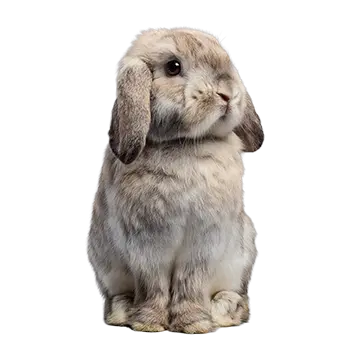

The American Fuzzy Lop is a compact, wool-coated rabbit whose dietary requirements reflect both its small frame and the metabolic demands of maintaining a dense wool coat. Unlike smooth-coated breeds, wooled rabbits need slightly elevated fiber and protein intake to support continuous wool growth and to prevent wool block, a potentially life-threatening condition in which ingested fur accumulates in the digestive tract. Understanding these breed-specific nutritional priorities is essential before selecting any food products.
Hay should form the foundation of every American Fuzzy Lop's diet, accounting for roughly eighty percent of total food intake. Timothy hay is the standard recommendation for adult rabbits, providing the long-strand fiber necessary for healthy gut motility and proper dental wear. Orchard grass and meadow hay serve as excellent alternatives or supplements, especially for rabbits that show less enthusiasm for timothy. Young American Fuzzy Lops under six months can be offered alfalfa hay, which is richer in calcium and protein, but adults should transition away from alfalfa to avoid urinary issues.
Beyond fiber, American Fuzzy Lops need a careful balance of vitamins and minerals. Vitamin A supports eye and skin health, while calcium and phosphorus must remain in proper ratio to prevent bladder sludge. The wool coat also places additional demand on amino acids like methionine and cysteine, which are building blocks of keratin. A well-rounded diet that combines unlimited hay, measured pellets, and daily fresh greens will cover these requirements without the need for excessive supplementation.
Hydration is another critical nutritional factor. Rabbits that eat mostly dry hay and pellets need consistent access to fresh water. Inadequate hydration can worsen wool block risk and slow gut motility. Owners should monitor water intake closely, particularly during warmer months or after grooming sessions when loose wool ingestion tends to increase.