
Nutritional Needs

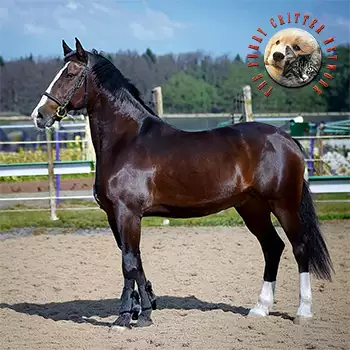
The Swedish Warmblood is a sport horse bred for athletic performance across demanding disciplines like dressage, show jumping, and eventing. This breeding heritage means their nutritional requirements go well beyond simple maintenance. They need a carefully calibrated balance of energy, protein, vitamins, and minerals to support muscular development, joint integrity, and the stamina required for regular training and competition. Understanding these baseline needs is the first step toward building a feed program that keeps your horse thriving.

As a medium-to-large warmblood typically weighing between 1,000 and 1,400 pounds, the Swedish Warmblood requires roughly 1.5 to 2.5 percent of its body weight in total daily feed, depending on workload. Horses in light work can often meet their caloric needs through quality forage alone, while those in moderate to heavy training will need concentrated feed to bridge the energy gap. Protein requirements also scale with activity level — growing horses and those in intense work need higher protein concentrations to support muscle repair and development.

Electrolyte balance is another critical consideration, particularly for Swedish Warmbloods in active competition schedules. Horses lose significant amounts of sodium, chloride, and potassium through sweat, and these losses must be replenished to maintain proper hydration, nerve function, and muscle contraction. A plain salt block should always be available, but horses in heavy work may need supplemental electrolytes mixed into feed or water, especially during warm weather or after extended exercise sessions.

The Swedish Warmblood's digestive system, like all equines, is designed for continuous grazing. This means feeding strategies should prioritize frequent, smaller meals over large, infrequent ones. Concentrated feeds should be divided into at least two daily meals, and forage should be available for the majority of the day. Disrupting this natural grazing pattern increases the risk of gastric ulcers, colic, and behavioral issues such as cribbing or weaving.

What to Look For in Feed

When evaluating feed products for a Swedish Warmblood, the ingredient list and guaranteed analysis panel are your most important tools. Look for feeds where the first ingredients are identifiable whole grains, fiber sources, or protein meals rather than generic byproducts or fillers. The crude protein percentage should align with your horse's workload — typically 10 to 12 percent for maintenance and light work, and 12 to 16 percent for horses in moderate to heavy training or young horses still growing.

Fat content is an often-overlooked metric that matters significantly for sport horses. Feeds with added fat in the form of stabilized rice bran, flaxseed, or vegetable oils provide a slow-burning energy source that reduces the need for high-starch formulations. This is particularly beneficial for Swedish Warmbloods, which can sometimes become hot or reactive on high-sugar, high-starch diets. A feed with 6 to 10 percent fat can provide sustained energy without the behavioral side effects that come with excessive grain.

Fiber content should also be a primary consideration. Even in concentrated feeds, a higher fiber percentage supports gut motility and helps buffer stomach acid. Look for feeds that incorporate beet pulp, soy hulls, or other digestible fiber sources alongside traditional grains. These ingredients provide calories without overloading the hindgut with rapidly fermentable starches, which can lead to acidosis and related complications.

Finally, pay attention to the vitamin and mineral profile. A well-formulated feed should provide adequate levels of vitamin E, selenium, biotin, and the major macro-minerals including calcium and phosphorus in proper ratios. If your forage has been tested and shows deficiencies — which is common in many regions — the concentrate feed or a separate ration balancer should fill those gaps without requiring you to cobble together multiple individual supplements.

Forage Selection

Forage is the foundation of any equine diet, and for the Swedish Warmblood, it should constitute the majority of daily intake by weight. Quality grass hay or a grass-legume mix is the standard choice, providing the long-stem fiber essential for proper digestive function. Timothy, orchard grass, and brome are popular grass hay options that offer moderate calorie density and a favorable calcium-to-phosphorus ratio. For horses that need additional protein or calories, mixing in a portion of alfalfa hay can boost nutritional value without requiring a dramatic increase in concentrated feed.

Hay quality varies enormously depending on when it was cut, how it was cured, and how it has been stored. Early-cut hay tends to be softer, more palatable, and higher in protein and digestible energy, while late-cut hay is stemmier and higher in indigestible fiber. For a performance horse like the Swedish Warmblood, first or early second cutting hay generally offers the best balance of nutrition and palatability. Always inspect hay visually and by smell before purchasing — it should be green to light gold, free of dust and mold, and have a fresh, slightly sweet scent.

Hay testing through a forage analysis lab is one of the most underutilized tools in equine nutrition. For a modest cost, you can get a detailed breakdown of your hay's protein, fiber, sugar, starch, and mineral content. This information allows you to tailor your concentrate feed and supplements precisely rather than guessing. This is especially valuable for Swedish Warmbloods in competition, where nutritional precision can influence performance, recovery, and overall condition.

Pasture access is an excellent supplement to hay and provides both nutritional and mental health benefits. However, pasture quality fluctuates seasonally, and lush spring grass can be dangerously high in non-structural carbohydrates for some horses. Gradual turnout transitions in spring and the use of grazing muzzles during peak grass growth periods can help manage intake without eliminating the benefits of pasture time entirely.

Concentrated Feeds & Grain Options

Concentrated feeds fill the energy gap that forage alone cannot cover, particularly for Swedish Warmbloods in regular training or competition. The market broadly divides into textured feeds (sweet feeds), pelleted feeds, and extruded feeds. Textured feeds are visually appealing and often highly palatable due to added molasses, but the sugar content can be problematic for horses prone to metabolic sensitivity or excitability. Pelleted and extruded options generally offer more consistent nutrition per serving and lower sugar levels, making them a better fit for most sport horses.

Performance-oriented feeds designed for sport horses in moderate to heavy work are the most appropriate category for competing Swedish Warmbloods. These formulations typically feature controlled starch levels, elevated fat content, and amino acid profiles tailored for muscle maintenance and recovery. Look for feeds that specify lysine and methionine content, as these are the two most commonly limiting amino acids in equine diets and are critical for muscle protein synthesis.

Ration balancers represent an alternative approach for Swedish Warmbloods that maintain good body condition on forage alone but still need micronutrient support. These are low-calorie, nutrient-dense pellets fed at a rate of one to two pounds per day rather than the four to eight pounds typical of traditional concentrates. They provide the full vitamin, mineral, and amino acid package without the additional calories, making them ideal for easy keepers or horses in lighter work.

For horses that need significant caloric supplementation beyond what a standard performance feed provides, adding a fat supplement such as stabilized rice bran or a weight-gain formula can be more effective than simply increasing grain volume. Overloading the hindgut with large grain meals is a common cause of digestive upset, and spreading caloric density across fat sources rather than starch sources reduces this risk considerably.

Treats & Supplements

Treats serve a practical purpose in training and handling — they reinforce positive behavior and can make tasks like loading, clipping, or veterinary procedures significantly easier. However, treats should be treated as what they are: a minor supplement to the diet, not a significant caloric source. Commercial horse treats are widely available in various formulations, but many are high in sugar and molasses. Look for options made with whole grains, flaxseed, or beet pulp that offer some nutritional value alongside palatability.

Joint supplements are among the most commonly purchased equine supplements, and for good reason. The Swedish Warmblood's athletic career places significant stress on joints, tendons, and ligaments, particularly in disciplines like show jumping and dressage that demand repetitive concussive loading and extreme ranges of motion. Supplements containing glucosamine, chondroitin sulfate, hyaluronic acid, or methylsulfonylmethane are widely used to support joint health, though individual response varies and scientific evidence ranges from strong to inconclusive depending on the specific ingredient.

Hoof supplements containing biotin, zinc, methionine, and copper can be valuable for Swedish Warmbloods with slow hoof growth or poor hoof quality. Biotin in particular has solid research backing at doses of 20 milligrams per day or higher for improving hoof wall integrity. These supplements typically require three to six months of consistent use before visible results appear in new hoof growth, so patience and consistency are essential.

Digestive supplements including prebiotics, probiotics, and yeast cultures have gained popularity as tools for supporting hindgut health. These products can be particularly useful during periods of dietary change, travel stress, or antibiotic therapy, all of which can disrupt the microbial populations that drive equine fiber digestion. While not every horse needs a daily digestive supplement, having one on hand for transition periods is a reasonable practice for any active sport horse program.

Foods to Avoid

Certain feeds and feedstuffs pose serious health risks to horses and should be strictly excluded from the Swedish Warmblood's diet. Cattle feed is one of the most dangerous cross-contamination risks in mixed-livestock operations — many cattle feeds contain ionophores such as monensin and lasalocid, which are lethal to horses even in small quantities. Always store horse feed separately from livestock feed and verify that any new feed product is explicitly labeled for equine use.

High-sugar and high-starch diets present a more insidious risk. While not immediately toxic, chronic overfeeding of rapidly fermentable carbohydrates can lead to hindgut acidosis, laminitis, insulin dysregulation, and gastric ulcers. Swedish Warmbloods are generally not as metabolically sensitive as some pony breeds or draft crosses, but individual variation exists, and any horse can develop problems on an excessively rich diet. Monitoring body condition score regularly and adjusting feed intake accordingly is the best prevention.

Moldy or dusty hay should never be fed under any circumstances. Mold produces mycotoxins that can cause colic, liver damage, and respiratory disease. Even hay that appears only slightly dusty can harbor fungal spores that trigger inflammatory airway disease, a condition that progressively reduces lung capacity and performance. If hay quality is questionable, soaking it for 10 to 30 minutes before feeding can reduce dust and spore counts, though it does not eliminate mycotoxins.

Common human foods including chocolate, caffeine-containing products, avocado, and members of the nightshade family such as tomatoes and potatoes are toxic to horses in varying degrees. Lawn clippings are another frequently overlooked hazard — they ferment rapidly after cutting, and a horse consuming a pile of fresh clippings can develop severe colic or laminitis within hours. Ensure that anyone with property access understands that dumping yard waste into horse pastures is never acceptable.

Feeding Schedule

Establishing a consistent feeding schedule is one of the simplest and most impactful management practices for the Swedish Warmblood. Horses are creatures of habit with finely tuned internal clocks, and feeding at the same times each day reduces stress, supports healthy digestive rhythms, and minimizes behavioral issues like stall weaving, pawing, or aggression at feeding time. Aim for at least two concentrated feed meals per day, spaced as evenly as possible — a 12-hour interval between morning and evening grain is ideal.

Forage should be available for the longest possible window each day. In stall-kept situations, this means providing hay in multiple feedings or using slow-feed hay nets that extend consumption time. A horse's stomach continuously produces hydrochloric acid regardless of whether feed is present, and extended periods without forage allow acid to splash onto the unprotected upper portion of the stomach lining, promoting gastric ulcer formation. For performance horses like the Swedish Warmblood, which already face ulcer risk from training stress and travel, maximizing forage access is a critical preventive measure.

Timing around exercise matters. Avoid feeding a large grain meal within 60 to 90 minutes before strenuous work. A full stomach compresses the lungs and diverts blood flow to the digestive tract, reducing athletic capacity and increasing colic risk. If your training schedule requires an early morning ride, offer a small amount of hay beforehand to buffer stomach acid, then provide the primary grain meal after the horse has cooled down and returned to a resting heart rate.

Seasonal adjustments are an inevitable part of feeding management. Swedish Warmbloods in colder climates will require increased forage during winter months, as the fermentation of fiber in the hindgut generates significant metabolic heat. A general guideline is to increase hay by roughly 10 to 15 percent for every 10-degree Fahrenheit drop below the horse's lower critical temperature. During summer, caloric needs may decrease for horses in lighter work, but electrolyte and water requirements increase substantially — a working horse can drink 15 to 20 gallons of water per day in hot weather, and unlimited access to clean, cool water is non-negotiable.

Always consult a qualified professional before making any health-related decisions. This content is provided for informational reference only and should not replace professional guidance specific to your animal.