
Space Requirements

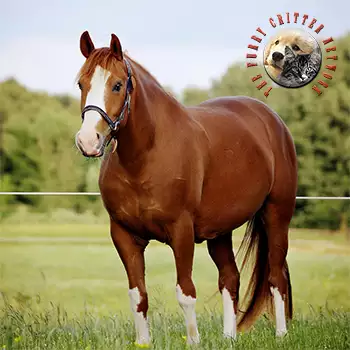
Quarter Horses are stocky, broad-chested animals that need adequate room to lie down, turn around, and move comfortably in any enclosed space. A standard box stall for an average-sized Quarter Horse should measure at least twelve feet by twelve feet, though many owners find that a twelve-by-fourteen-foot stall is more comfortable for horses on the heavier end of the breed's range. Stallions and foaling mares benefit from even larger stalls — fourteen by fourteen feet or more — to allow safe movement and reduce stress.

Beyond the stall itself, daily turnout is critical. Quarter Horses are active, social animals that thrive with several hours of pasture time each day. A minimum of one acre per horse is a common guideline for rotational grazing, though more acreage allows better pasture management and reduces parasite loads. Horses kept on small lots without adequate turnout space are more prone to behavioral issues, hoof problems from standing in mud or manure, and musculoskeletal stiffness.

Aisle widths in barns should be at least ten to twelve feet to allow safe passage when leading a horse, and ceiling heights should clear ten feet to prevent head injuries from rearing or startling. These dimensions are not luxuries — they are safety standards that prevent injuries to both horse and handler in daily use.

For properties where full barn construction is not feasible, run-in shelters offer a practical alternative. A three-sided shelter open to the south or southeast provides wind and rain protection while allowing free movement in and out. Size the shelter at roughly one hundred forty square feet per horse to prevent crowding and resource guarding among pastured groups.

Stalls & Barn Design

Stall construction materials influence durability, safety, and maintenance burden. Hardwood tongue-and-groove lumber is the traditional choice for stall walls and remains popular for its strength and resistance to chewing. Walls should be at least four and a half feet of solid lower panel to prevent legs from getting caught, with optional mesh or grill panels above for ventilation and social interaction between neighboring horses.

Stall flooring affects joint health, hoof condition, and cleaning ease. Rubber stall mats over a compacted base of crushed stone or clay provide excellent cushioning, reduce bedding costs, and create a stable, level surface. Mats should be at least three-quarters of an inch thick and interlocking or tightly fitted to prevent shifting and urine pooling at seams. Bare concrete is too hard for prolonged standing and increases the risk of hock sores, while dirt floors require frequent leveling and can become muddy.

Ventilation is one of the most important and most frequently overlooked elements of barn design. Ammonia from urine and fine dust from hay and bedding contribute to respiratory issues including heaves and inflammatory airway disease. Ridge vents, cupolas, and adjustable side windows create airflow that removes stale air without creating drafts at horse level. A well-ventilated barn should smell like hay, not ammonia, even in winter.

Doors and hardware deserve careful attention. Stall doors should be at least four feet wide and fitted with horse-safe latches that cannot be opened by curious lips but release easily in an emergency. Sliding doors are generally safer than swinging doors in barn aisles because they eliminate the risk of a horse being struck by a door swinging open. All edges, bolts, and hinges should be recessed or covered to prevent cuts and scrapes.

Bedding & Footing

Bedding serves three purposes: cushioning, moisture absorption, and insulation. The most common options are wood shavings, straw, and pelleted bedding, each with tradeoffs. Pine or aspen shavings are widely available, absorbent, and easy to muck. Avoid black walnut shavings entirely — they contain a toxin that causes acute laminitis on contact with hooves and skin. Cedar shavings are also controversial due to aromatic oils that may irritate airways.

Straw bedding provides good insulation and a comfortable surface for horses that like to lie down, but it is less absorbent than shavings and can encourage eating the bedding, which adds unwanted calories and increases impaction colic risk in some horses. Wheat straw is preferred over oat or barley straw because it is less palatable and more structurally stable.

Pelleted bedding made from compressed wood fiber or recycled paper starts as dense pellets that expand when moistened. It is highly absorbent, produces less dust than shavings, and composts quickly. The initial cost per bag is higher, but reduced volume and easier spot-cleaning often make it competitive on a per-stall-per-week basis. Pelleted bedding works especially well over rubber mats, where less total depth is needed.

For outdoor footing in high-traffic areas like paddock gates, water troughs, and run-in shelter entrances, consider crushed stone topped with a geotextile fabric layer or commercially available mud management grids. These products create a stable, draining surface that prevents the deep mud that leads to thrush, scratches, and lost shoes. Proper drainage planning at the construction stage saves enormous time and money compared to retroactive mud remediation.

Fencing & Pasture Enclosures

Fencing is the first line of defense in keeping horses safe, and the wrong material can turn a boundary into a hazard. The safest widely available options for Quarter Horses are board fencing (three or four horizontal rails), vinyl or polymer rail fencing, and woven wire mesh designed specifically for horses. Board fencing offers visibility, strength, and a traditional aesthetic, but requires regular maintenance — painting or staining to prevent rot, and prompt replacement of cracked or broken boards.

Barbed wire and high-tensile smooth wire are common on cattle operations but poorly suited for horses. Horses that spook, play, or lean on fencing can sustain serious lacerations from barbed wire, and even smooth high-tensile wire can be difficult for horses to see, leading to run-through injuries. If budget constraints make wire fencing necessary, adding a top rail or visibility tape significantly reduces the risk of collision.

Electric fencing — either hot wire or electric tape — works well as a psychological barrier rather than a physical one. A single strand of electric tape along the inside of an existing fence discourages leaning, cribbing on rails, and fence-fighting between neighboring horses. Standalone electric fencing is suitable for temporary paddock divisions and rotational grazing setups but should not be the sole perimeter fence for a property.

Gate placement and design deserve the same attention as the fence line itself. Gates should be wide enough for equipment access — at least twelve feet for tractors and manure spreaders — and should swing or slide smoothly without sagging. Avoid gaps between gate posts and fence ends where a horse can wedge a head or leg, and use gate latches that are simple for humans to operate but impossible for horses to manipulate.

Climate Considerations

Quarter Horses are hardy animals that tolerate a wide range of climates, but housing choices should account for regional extremes. In hot, humid environments, shade and airflow are paramount. Barn orientation with the long axis running east to west maximizes shade on the south-facing wall, and open-sided or breezeway barn designs allow prevailing winds to flow through the structure. Fans rated for agricultural use can supplement natural ventilation during still summer days.

Mist systems and overhead sprinklers in outdoor areas provide evaporative cooling during peak heat. Paired with adequate shade structures, these systems can reduce ambient temperatures by ten to fifteen degrees in dry climates. In humid regions, misters are less effective and may increase fly pressure, so fans and airflow management become the primary cooling tools.

In cold climates, the goal is protection from wind, rain, and ice without sealing the barn into an airtight box. Horses generate substantial body heat and grow effective winter coats when allowed to acclimate naturally. Closing barn doors and windows tightly in winter traps moisture and ammonia, creating respiratory problems far worse than the cold itself. Leave ridge vents open year-round and use adjustable windows to balance airflow with protection from driving rain or snow.

Water systems require freeze protection in cold regions. Heated buckets, insulated automatic waterers, or trough heaters ensure a reliable water supply when ambient temperatures drop below freezing. Horses drink less when water is ice-cold, which increases the risk of impaction colic in winter. Maintaining water temperature between forty-five and sixty-five degrees Fahrenheit encourages adequate intake.

Multi-Horse Properties

Quarter Horses are generally sociable, but housing multiple horses on the same property requires planning around herd dynamics, feeding logistics, and biosecurity. Stall-boarded horses should be arranged so that compatible individuals share a wall, while horses with a history of fence-fighting or aggression are separated by at least one empty stall or a solid divider. Grill or mesh upper panels allow social interaction for bonded pairs without the risk of biting over a half-wall.

In group turnout, pasture size and resource distribution determine how peacefully horses coexist. Place water troughs and hay feeders in multiple locations spaced well apart so that a dominant horse cannot monopolize all resources. Dead-end corners and narrow choke points in pastures should be eliminated or fenced off, since subordinate horses can become trapped and injured during herd squabbles.

Feeding time is the most common flashpoint for aggression in group housing. If horses are fed concentrates in a group setting, use individual feed bags or widely spaced ground feeders with temporary dividers. Better still, bring horses into stalls or separate pens for grain meals and return them to group turnout afterward. This eliminates competition, ensures each horse receives its correct ration, and provides an opportunity to check each animal individually.

Isolation housing is an often-overlooked necessity. A quarantine stall or small paddock separated from the main herd allows safe introduction of new arrivals, housing for sick or injured horses, and a recovery space after veterinary procedures. Ideally, the isolation area has its own water source and manure disposal to minimize disease transmission. Planning this space into the property from the start avoids the scramble of improvising quarantine when an illness or injury occurs unexpectedly.

Always consult a qualified professional before making any health-related decisions. This content is provided for informational reference only and should not replace professional guidance specific to your animal.