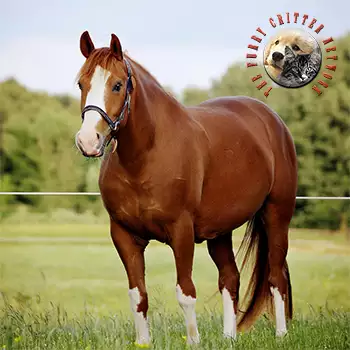

The Quarter Horse is a compact, muscular breed originally developed for short-distance speed and cattle work. That athletic build demands a diet balanced in energy, protein, vitamins, and minerals. Most adult Quarter Horses in light to moderate work do well on quality forage supplemented with a modest concentrate ration, but the specifics change depending on age, workload, and whether the horse is a growing youngster, a broodmare, or a retired pasture companion.
Because the breed is naturally easy-keeping, overfeeding concentrates is one of the most common nutritional mistakes owners make. Quarter Horses are genetically predisposed to conditions like insulin resistance and equine metabolic syndrome, so calorie-dense feeds should be measured carefully and adjusted as activity levels change. A horse that competes in reining or barrel racing every weekend has very different energy demands from one that trails rides twice a month.
Protein requirements hover around ten to twelve percent of the total diet for most adult Quarter Horses at maintenance, rising to fourteen percent or more for lactating mares and rapidly growing foals. Amino acid quality matters as much as total protein percentage — look for feeds that list lysine and methionine content, since these are the amino acids most likely to be deficient in a hay-based diet.
Minerals deserve particular attention. Calcium-to-phosphorus ratio should stay between 1.5:1 and 2:1, and trace minerals like copper, zinc, and selenium are often lacking in regional forages. A well-formulated ration balancer or mineral supplement can fill these gaps without adding unnecessary calories.