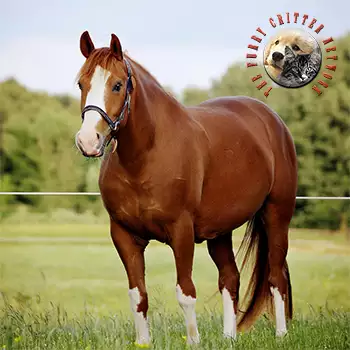

The Quarter Horse's broad back, well-defined withers, and muscular shoulders create a distinctive saddle-fitting profile that differs significantly from narrower breeds like Thoroughbreds or Arabians. Western saddles are the traditional choice for the breed, given its roots in ranch work, reining, and cutting. A properly fitted western saddle distributes the rider's weight across the back via wide bars, and bar angle should match the horse's shoulder slope. Semi-quarter horse bars fit the majority of the breed, but heavily muscled or unusually built individuals may require full quarter horse bars or custom tree fitting.
English saddles are equally appropriate for Quarter Horses competing in hunter under saddle, dressage, or eventing. Wide or extra-wide tree widths accommodate the breed's broader back, and panels should provide adequate clearance over the spine and withers. Regardless of discipline, a professional saddle fitting every one to two years accounts for changes in muscle development, weight, and age-related conformation shifts.
Bridles and headstalls should be sized for the Quarter Horse's moderately refined head. Most adults fit a standard horse size, though some heavily muscled stallions and draft-cross Quarter Horses may need oversize or warmblood-sized browbands and nosebands. Bit selection depends on the horse's training level and discipline — a smooth snaffle is the standard starting point for young horses, progressing to curb bits, shanked snaffles, or combination bits as training advances.
Saddle pads bridge the gap between saddle fit and horse comfort. A quality pad absorbs shock, wicks moisture, and prevents friction. Wool felt, memory foam, and gel-insert pads each have merits. Avoid overly thick pads as a substitute for proper saddle fit — stacking pads changes the effective tree angle and can create pressure points rather than relieving them. Clean pads regularly to prevent salt buildup, bacterial growth, and skin irritation.