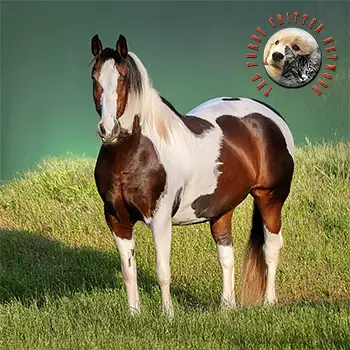

Paint Horses are intelligent, curious, and generally good-natured animals that respond well to mental stimulation. Their stock horse heritage gives them a practical, problem-solving disposition — they're not as flighty as some hot-blooded breeds but also not so placid that they ignore novel objects in their environment. This combination makes them excellent candidates for enrichment products, as they'll engage with new items without the panic response that can make toy introduction risky with more reactive breeds.
Boredom in Paint Horses typically manifests as destructive behaviors rather than dramatic anxious displays. A Paint that lacks mental stimulation may develop wood chewing, cribbing, weaving, stall walking, or excessive pawing. These stereotypic behaviors are the horse's attempt to self-stimulate in an environment that offers insufficient variety, and once established, they can be extremely difficult to eliminate even after enrichment is improved. Prevention through consistent environmental enrichment is far more effective than attempting to correct entrenched habits.
The best enrichment strategy for any Paint Horse combines physical turnout, social interaction with other horses, variety in daily routine, and purpose-built toys or puzzles. No single product replaces adequate turnout and companionship — a horse standing alone in a stall for 20 hours a day won't be fixed by hanging a ball from the ceiling. Toys and enrichment devices are supplements to a well-managed lifestyle, not substitutes for it.
Age and individual personality influence which types of enrichment a particular Paint will engage with. Younger horses tend to be more physically playful and may chase, push, and kick loose objects around a paddock. Older or more food-motivated horses often prefer treat-dispensing puzzles that reward investigation with a snack. Observing your horse's natural tendencies during turnout gives you the best insight into what categories of enrichment will hold their interest.