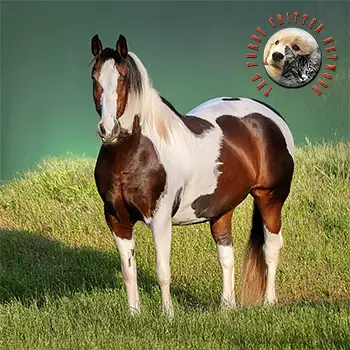

Halters, Lead Ropes & Tack Essentials

Every Paint Horse owner needs a well-fitting halter as the most fundamental piece of daily handling equipment. Halters come in flat nylon web, leather, and rope styles, each suited to different situations. Flat nylon halters are inexpensive, durable, and easy to clean, making them the workhorse of daily turnout and grooming. Leather halters are traditional, break under extreme pressure — which is actually a safety advantage if the horse gets caught on something — and develop a handsome patina with use. Rope halters apply more focused pressure and are favored for groundwork and training but should not be left on during unsupervised turnout because they don't break away.

Halter sizing for Paint Horses typically falls in the standard horse or average range, though broader-headed individuals may need a cob-to-horse size depending on the manufacturer's cut. Proper fit means the noseband sits roughly two fingers below the cheekbone, the throatlatch allows a fist's width of space, and no hardware presses against the eye or jaw. An ill-fitting halter creates pressure sores, rubs away hair, and can restrict breathing during exertion.

Lead ropes should be at least eight to ten feet long for standard handling and made from materials that provide good grip without burning hands if the horse pulls. Cotton leads are soft and comfortable but absorb water and can weaken over time. Poly or yacht-braid leads are strong, relatively smooth, and dry quickly. A solid bull snap or panic snap at the attachment end is preferable to lightweight hardware that can bend or break under the force a spooked 1,100-pound Paint can generate.

Beyond the halter, a basic tack inventory for a ridden Paint Horse includes a saddle, saddle pad, bridle, and girth or cinch appropriate to the riding discipline. Paint Horses are popular in both western and English disciplines, and the tack requirements differ substantially between the two. Western saddles distribute weight over a larger surface area and suit the ranch work and trail riding many Paints are used for, while English saddles allow closer contact and are appropriate for Paints competing in hunt seat, dressage, or eventing.

Grooming Tools

A complete grooming kit for a Paint Horse should include a rubber curry comb, stiff dandy brush, medium body brush, soft finishing brush, mane and tail comb or detangler, hoof pick, and a sweat scraper. Each tool serves a specific function in the grooming sequence: the curry loosens dirt and stimulates circulation, the dandy brush flicks debris from the coat, the body brush smooths and distributes oils, and the finishing brush adds a final polish. Skipping steps or using tools out of order reduces grooming effectiveness and can push dirt deeper into the coat.

Paint Horses with large white body patches deserve particular grooming attention because stains show conspicuously on light-colored hair. Whitening shampoos formulated for horses help lift grass, manure, and urine stains from white areas, though they should be used sparingly to avoid drying the skin. Between baths, grooming sprays and waterless shampoo products can spot-clean white patches and keep the coat presentable. A stain-resistant sheet worn during turnout helps prevent the freshly cleaned Paint from immediately rolling in mud.

Mane and tail care is important for maintaining healthy hair growth and preventing breakage. Silicone-based detangling sprays reduce friction and make combing through tangles easier without ripping out hair. Work from the bottom of the tail upward, separating small sections at a time rather than dragging a comb through the full length. Some Paint Horse owners keep tails in protective bags or braids during muddy seasons to preserve length and condition, though these need regular checking to ensure they aren't trapping moisture or rubbing.

Clipping equipment becomes relevant for Paint Horses in regular work during cooler months, as their winter coat can cause excessive sweating and slow cool-down times. Body clippers come in various sizes and power levels, from small cordless trimmers for bridle paths and ears to large corded clippers for full body clips. Blade sharpness, motor noise level, and vibration all affect how well the horse tolerates the process. Start with the least invasive clip pattern — a trace clip or bib clip — before committing to a full body clip, and always have appropriate blanketing ready to compensate for removed insulation.

Blankets & Sheets

The blanketing question generates more debate among horse owners than almost any other gear topic, and the answer for Paint Horses depends on climate, management style, body condition, and whether the horse is clipped. An unclipped, healthy adult Paint with a full winter coat and access to shelter generally does not need a blanket in temperatures above 10 to 20 degrees Fahrenheit, assuming wind protection is available. Clipped horses, thin-skinned individuals, seniors, and horses without adequate shelter need blanketing at higher temperatures.

Turnout blankets are the most commonly purchased style and are designed to be worn outdoors in rain, snow, and wind. They feature waterproof outer shells, breathable linings, and varying levels of fill measured in grams of insulation. A lightweight turnout sheet with no fill handles rain and mild cold, a medium-weight blanket with 150 to 200 grams of fill covers moderate winter conditions, and a heavy-weight blanket with 300 grams or more of fill is reserved for severe cold or clipped horses. Many owners build a wardrobe of two or three weights to match changing conditions.

Fit is the most important factor in blanket selection and is also where most problems arise. A blanket that's too small restricts shoulder movement, rubs the withers, and pulls backward across the chest. One that's too large shifts during rolling, can slip under the belly, and may tangle around the legs. Paint Horses typically wear sizes in the 72 to 80 inch range depending on their build, but sizing varies significantly between manufacturers. If possible, try before you buy, and look for features like gusseted shoulders, adjustable belly surcingles, and leg straps that allow fine-tuning.

Stable blankets and coolers serve different functions than turnout gear. Stable blankets are designed for indoor use only — they aren't waterproof — and provide warmth in drafty barns. Coolers are lightweight, moisture-wicking blankets used to help a wet or sweaty horse dry without catching a chill. After winter exercise, throwing a fleece or wool cooler over a damp Paint allows moisture to wick upward through the fabric while keeping the horse's core temperature stable during the cool-down period.

Feeding & Watering Equipment

Feed tubs, buckets, and water systems for Paint Horses need to be durable enough to withstand daily abuse from a large, strong animal that will step on, kick, flip, and chew just about anything placed in its environment. Heavy-duty rubber feed tubs with flat bottoms resist tipping better than lightweight plastic alternatives and won't crack in freezing temperatures. Corner-mounted feed buckets with sturdy brackets keep the container at a comfortable eating height and prevent the horse from tossing it around the stall.

Automatic waterers are a significant convenience for multi-horse properties, eliminating the daily chore of filling and scrubbing individual buckets. These units connect to a pressurized water line and refill automatically as the horse drinks, ensuring constant access to fresh water. In cold climates, heated automatic waterers with thermostatically controlled elements prevent freezing. The primary maintenance concerns are keeping the bowl clean — horses deposit hay, grain, and saliva in the water — and ensuring the float valve and heating element function reliably.

Traditional water buckets remain practical for many operations, especially for horses in temporary stalls, at shows, or on properties without plumbed water lines to each stall. Heavy-duty 5-gallon flat-back buckets mounted on wall brackets are the standard. In winter, insulated bucket covers or submersible bucket heaters keep water at drinkable temperatures. A Paint Horse can empty a 5-gallon bucket multiple times per day, particularly in hot weather, so frequent checks and refills are necessary with manual systems.

Slow-feed hay equipment bridges the gap between feeding accessories and enrichment. Hay nets with small mesh openings, hay bags with restricted access ports, and ground-level slow-feed bins all extend consumption time and reduce waste. For Paint Horses prone to eating too quickly or those on restricted diets, these devices are a practical investment that supports digestive health and prevents long gaps between forage access. Mount hay nets at a comfortable head height — approximately chest level — rather than high overhead, which forces an unnatural neck position and can allow hay particles to fall into the eyes and nostrils.

Safety & Identification

Identification is both a practical necessity and a legal requirement in many jurisdictions. Microchipping is the most permanent and tamper-proof identification method available for horses. A veterinarian implants a small transponder — typically in the nuchal ligament on the left side of the neck — that can be read with a universal scanner. Many breed registries, including the American Paint Horse Association, accept or require microchip numbers as part of their registration records. The procedure is minimally invasive and provides lifelong identification that doesn't fade, fall off, or get removed.

Leather or nylon identification tags attached to halters provide a visible backup to microchip identification and are useful for emergency responders, barn staff, or anyone who encounters a loose horse. Tags typically include the horse's name, the owner's phone number, and any critical medical information. The limitation is obvious — if the halter comes off, the tag goes with it — so tags complement rather than replace permanent identification methods.

First aid kits assembled for equine emergencies should be stocked in every barn and included in any travel setup. A well-equipped kit contains wound care supplies (antiseptic solution, gauze pads, conforming bandage wraps, non-stick wound dressings, veterinary wrap), a digital thermometer, scissors, a flashlight, latex gloves, and a printed card with your veterinarian's emergency contact information. Knowing how to apply a basic standing wrap and how to clean and dress a wound can make a meaningful difference in outcomes during the time between injury discovery and veterinary arrival.

Fire safety in barns is a critical concern that many horse owners underestimate until it's too late. Smoke detectors or heat sensors in the barn aisle, clearly marked and unobstructed exits, fire extinguishers rated for agricultural structures, and a practiced evacuation plan for removing horses are all essential components. Leather halters and lead ropes hung on each stall door enable rapid haltering during an emergency. Electrical systems should be installed by a licensed electrician using conduit-enclosed wiring, and all outlets should be covered to prevent moisture intrusion and rodent damage to wiring.

Seasonal & Weather Gear

Fly protection products are essential seasonal accessories for Paint Horses in most climates. Fly masks with UV protection shield the eyes and face from biting insects while also protecting pink-skinned areas around the muzzle and eyes from sunburn — a relevant concern for Paints with extensive white facial markings and the light skin beneath them. Fly masks should fit snugly enough to stay in place during normal activity without pressing on the eyes or rubbing the ears, and they need daily inspection for wear, debris accumulation, and proper positioning.

Fly sheets are lightweight mesh blankets that cover the body and provide a physical barrier against flies, gnats, and mosquitoes. For Paint Horses with large white body patches, some fly sheets also incorporate UV-blocking fabric that reduces sun bleaching and protects areas of pink skin from sunburn. Full-coverage designs include neck attachments and belly bands. The trade-off is heat retention — even mesh sheets add some warmth, so in extreme heat, the insect protection must be weighed against the risk of overheating.

Fly spray systems range from individual spray bottles to automated barn-mounted misting units. Topical fly sprays are the most accessible option and come in both chemical and natural formulations. Chemical sprays containing pyrethrins or permethrin tend to offer longer protection periods, while natural alternatives based on citronella, cedarwood, or neem oil appeal to owners seeking fewer synthetic chemicals. Application frequency, resistance development, and environmental impact vary between product types and should factor into your selection.

Winter-specific accessories beyond blankets include leg wraps or shipping boots for travel on icy roads, ice studs or snow pads for horses that continue to be ridden in winter conditions, and heated water systems as discussed in the feeding equipment section. Hoof care intensifies during freeze-thaw cycles, as ice balls can form in the sole of unshod hooves and snow packing can create hazardous footing. Pour-in hoof packing products or rim pads applied by a farrier help prevent snowball formation in shod horses and reduce the risk of slipping on frozen ground.

Always consult a qualified professional before making any health-related decisions. This content is provided for informational reference only and should not replace professional guidance specific to your animal.