
Nutritional Needs

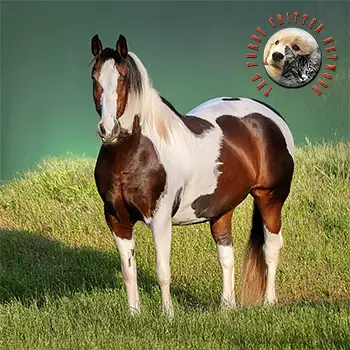
Paint Horses are a sturdy, versatile stock breed with moderate metabolic demands that can shift significantly depending on workload, age, and individual disposition. Most adult Paints in light to moderate work thrive on a forage-first diet built around quality hay or pasture, supplemented only as needed with concentrates. Because the breed tends toward an easy-keeping body type, overfeeding grain or high-calorie concentrates is one of the most common nutritional mistakes owners make.

The foundation of any Paint Horse diet should be long-stem forage — either grass hay, a grass-legume mix, or well-managed pasture. A general guideline is to provide forage at roughly 1.5 to 2 percent of the horse's body weight per day, which translates to approximately 15 to 24 pounds of hay for a 1,100-pound horse. Forage supplies the bulk of the fiber, vitamins, and minerals the digestive system is designed to process, and restricting it too aggressively can lead to gastric ulcers, behavioral issues, and hindgut disturbances.

Protein requirements for Paints vary with life stage. Growing foals and broodmares in late gestation or early lactation need elevated crude protein levels, typically in the 12 to 16 percent range, while mature horses in maintenance or light work can do well on 8 to 10 percent. Amino acid quality matters as much as total protein percentage, so look for feeds that list lysine and methionine content on the guaranteed analysis.

Caloric density should be matched to the horse's actual workload rather than what an owner aspires to. A Paint used for weekend trail rides has dramatically different energy requirements than one competing regularly in reining or working cow horse events. Feeding for a workload the horse isn't performing leads to obesity, and Paints can be particularly susceptible to weight-related metabolic concerns including insulin resistance and laminitis.

Water intake is a nutritional need that often gets overlooked in product discussions. An idle Paint Horse drinks 8 to 12 gallons of water daily, and that figure can double or triple during hot weather or intense exercise. Ensuring constant access to clean, palatable water is as important as any feed selection, and adding electrolyte supplements during periods of heavy sweating helps maintain hydration and mineral balance.

What to Look For in Feed Products

Reading feed tags is a skill every Paint Horse owner should develop. The guaranteed analysis panel lists minimum crude protein, minimum crude fat, maximum crude fiber, and key minerals, but the ingredient list tells you what the feed is actually made from. Look for feeds where recognizable whole grains, processed grains, or forage meals appear near the top of the ingredient list rather than filler byproducts or excessive molasses.

Fat content in commercial feeds typically ranges from 3 to 8 percent, with higher-fat formulations designed for horses in heavy work or those that need to gain condition without the metabolic spike of starch-heavy feeds. Paints that tend to run hot or fidgety on high-grain diets often settle on a lower-starch, higher-fat formula. Rice bran and stabilized flaxseed are common supplemental fat sources worth considering for horses that need additional calories without bulk.

Mineral ratios deserve attention, particularly the calcium-to-phosphorus ratio, which should stay in the range of 1.5:1 to 2:1 for adult horses. Feeds that invert this ratio or rely heavily on unfortified grains without a balancer can contribute to skeletal issues over time, especially in young growing Paints. Trace minerals like zinc, copper, selenium, and manganese should be present in organic or chelated forms for better bioavailability.

Avoid feeds that use excessive sugar or molasses as a palatability enhancer, especially for Paints with any history of metabolic sensitivity. Non-structural carbohydrate levels below 12 to 14 percent are generally recommended for metabolically at-risk horses, and testing your hay through a forage analysis lab gives you a much clearer picture of total dietary sugar and starch than guessing based on hay type alone.

Hay & Forage Products

The hay market offers a wide range of forage products beyond traditional baled hay, and understanding the options helps Paint Horse owners make informed choices. Conventional square or round bales of timothy, orchard grass, Bermuda, or a grass-alfalfa blend remain the most common and economical forage source for most horse operations. Quality varies enormously between cuttings, regions, and producers, so buying based on a forage analysis rather than appearance alone is the most reliable strategy.

Hay cubes and pellets provide a convenient alternative for owners dealing with storage limitations, dust sensitivities, or dental issues in older horses. Cubed hay retains more stem length than pellets, which supports natural chewing behavior and saliva production. Pelleted hay works well when mixed into a complete feed or softened with water for senior Paints that struggle to process long-stem forage, but it should not entirely replace long-stem options for horses with healthy dentition.

Chopped forage and bagged hay products have become increasingly popular for their consistency, dust reduction, and ease of measuring. Many are packaged with added molasses or flavoring, so check the sugar content carefully if your Paint is on a controlled diet. These products work well as a partial forage replacement or as a carrier for supplements and medications.

Beet pulp, both shredded and pelleted, is a versatile forage supplement that provides digestible fiber without high sugar or starch content when purchased in the unmolassed form. Soaked beet pulp adds moisture to the diet, supports hindgut fermentation, and can help hard-keeping Paints maintain condition. It should complement rather than replace hay, typically fed at one to four pounds dry weight per day depending on the horse's needs.

Pasture management products like overseeding mixes, soil testing kits, and rotational grazing systems are worth investigating for owners who rely on turnout as a primary forage source. Good pasture can supply most or all of a Paint Horse's nutritional needs during the growing season, but overgrazed or poorly maintained fields often lack nutritional density and may harbor toxic plants.

Concentrates & Complete Feeds

Concentrate feeds for Paint Horses fall into several broad categories: textured or sweet feeds, pelleted feeds, extruded feeds, and ration balancers. Each format has trade-offs in palatability, digestibility, shelf stability, and cost. Textured feeds with visible grains and molasses coating tend to be highly palatable but can be higher in sugar and starch than pelleted or extruded alternatives.

Ration balancers are an underused option for easy-keeping Paints that maintain weight on forage alone but still need vitamin and mineral fortification. These concentrated pellets are fed at one to two pounds per day and supply the micronutrients that hay alone typically lacks — particularly copper, zinc, selenium, and vitamin E — without adding significant calories. For the majority of Paints in light work, a ration balancer paired with quality hay is a more appropriate diet than a full-rate performance feed.

Complete feeds are formulated to serve as both the forage and concentrate portion of the diet, typically containing high fiber levels from sources like beet pulp, soy hulls, and alfalfa meal. These products are designed primarily for senior horses or those with dental problems that prevent normal hay consumption. Feeding a complete feed to a healthy adult Paint with functional teeth is unnecessary and considerably more expensive than a hay-based program.

When selecting a concentrate, match the product to the horse's actual metabolic profile. Paints with insulin resistance or a history of laminitis should be on low-starch, low-sugar formulations specifically labeled for metabolic health. Performance Paints in regular training may benefit from moderate-energy feeds with added fat rather than high-grain mixes that can cause digestive upset and behavioral volatility.

Treats & Supplements

The equine supplement market is vast, and not every product on the shelf delivers meaningful results. Before adding any supplement to your Paint Horse's diet, identify the specific nutritional gap you're trying to fill. A forage analysis combined with a review of your concentrate feed's guaranteed analysis will reveal whether true deficiencies exist or whether you're supplementing out of habit rather than need.

Joint supplements containing glucosamine, chondroitin sulfate, hyaluronic acid, or methylsulfonylmethane are among the most commonly purchased equine supplements. While research results are mixed, many owners of performance and aging Paints report improved comfort and mobility with consistent joint supplementation. Look for products that disclose ingredient quantities per serving rather than hiding behind proprietary blends, and choose supplements backed by third-party quality testing.

Hoof supplements typically feature biotin as the primary active ingredient, often combined with zinc, methionine, and other amino acids that support keratin production. Paints with chronically soft, cracking, or slow-growing hooves may benefit from biotin supplementation at therapeutic levels, usually 15 to 30 milligrams per day. Results take four to six months to become visible since you're supporting new hoof growth from the coronary band down.

Treats should be viewed as a training and bonding tool rather than a dietary staple. Commercial horse treats vary widely in sugar content, and some are essentially candy. Healthier options include plain hay cubes, small pieces of carrot or apple, or low-sugar commercially formulated treats. Keep treat portions small and infrequent to avoid inadvertently increasing total sugar intake, particularly for Paints on metabolically controlled diets.

Electrolyte supplements are essential during hot weather, heavy training, or any situation that produces significant sweat loss. A good electrolyte product should list sodium chloride as the primary ingredient, followed by potassium and smaller amounts of calcium and magnesium. Avoid electrolyte products loaded with sugar or dextrose, and ensure fresh water is always available alongside electrolyte supplementation to prevent dehydration.

Foods to Avoid

Certain feeds and ingredients pose genuine health risks to Paint Horses and should be eliminated from the diet entirely. Cattle feed is one of the most dangerous accidental exposures, as many cattle formulations contain ionophores like monensin or lasalocid, which are lethal to horses even in small amounts. If your Paint shares a property with cattle, store all feeds separately and label containers clearly to prevent cross-contamination.

Lawn clippings should never be offered as a forage substitute. Clippings ferment rapidly after cutting, and a horse consuming a pile of decomposing grass can develop severe colic or laminitis within hours. The rapid fermentation produces gases and toxins that the equine hindgut is not equipped to handle in concentrated form, even though the horse grazes the same grass species safely when it's still rooted.

Several common plants and trees are toxic to horses and should be identified and removed from pastures and fence lines. Red maple leaves, black walnut shavings, yew, oleander, and various nightshade species all pose serious or fatal risks. If you're unsure about plant identification on your property, consult your local agricultural extension office for a pasture walk and toxicity assessment.

Excessive grain feeding, even with safe products, can trigger acute laminitis or colic if a Paint gains access to an unsecured feed room. Grain overload overwhelms the small intestine's capacity to digest starch, sending undigested carbohydrates into the hindgut where they cause rapid pH changes, endotoxin release, and potentially catastrophic inflammation. Secure all feed storage with horse-proof latches and measure portions carefully.

Moldy or dusty hay is a frequently underestimated hazard. Mold spores in hay can cause respiratory disease, and certain mold species produce mycotoxins that damage the liver and other organs over time. Inspect every bale before feeding, and reject hay that smells musty, appears discolored, or feels excessively warm to the touch. When in doubt, err on the side of discarding questionable hay rather than risking your horse's health.

Feeding Schedule & Management

Paint Horses, like all equines, are designed to eat small amounts of forage almost continuously throughout the day. The equine stomach is relatively small compared to body size and produces acid around the clock, which means prolonged periods without forage increase the risk of gastric ulcers. Ideally, no Paint Horse should go longer than four to six hours without access to hay or pasture.

Dividing the daily hay ration into at least two feedings — morning and evening — is the bare minimum, with three or four smaller feedings being preferable when management allows. Slow-feed hay nets with small openings extend consumption time and reduce waste, effectively mimicking the horse's natural grazing pattern. For easy-keeping Paints prone to obesity, slow feeders allow forage access without enabling rapid overconsumption.

Concentrate meals, if fed, should be kept small and spread across multiple feedings. A general guideline is to never feed more than five pounds of concentrate in a single meal, as larger grain meals overwhelm the small intestine's digestive capacity. For Paints receiving a ration balancer at one to two pounds per day, splitting even that small amount into two feedings ensures more consistent nutrient absorption.

Timing matters for working Paints. Avoid feeding a large grain meal within one to two hours before exercise, as blood flow diverts to the digestive system and can impair performance and increase colic risk. A small amount of hay before work is fine and actually beneficial for buffering stomach acid. Post-exercise, allow the horse to cool down and recover normal respiratory rate before offering concentrate feed, though small amounts of hay and water can be provided sooner.

Seasonal adjustments are part of responsible feeding management. Paints in cold climates burn additional calories to maintain body temperature, and increasing hay — not grain — is the most effective way to generate internal heat through hindgut fermentation. During summer heat, appetite may decline naturally, and electrolyte supplementation becomes more important. Monitor body condition regularly using a standardized scoring system, and adjust feed quantities in small increments rather than making dramatic changes that can destabilize the hindgut.

Always consult a qualified professional before making any health-related decisions. This content is provided for informational reference only and should not replace professional guidance specific to your animal.