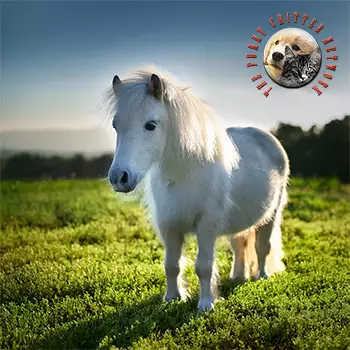

Miniature Horses are exceptionally curious, intelligent, and playful animals, which makes enrichment not just a nice addition but a genuine necessity for their well-being. Without adequate mental and physical stimulation, minis quickly develop stereotypic behaviors such as cribbing, weaving, stall walking, and wood chewing. These behaviors are not just annoying habits — they are indicators of stress and boredom that can escalate into dental damage, digestive issues, and chronic anxiety.
Their play style tends to be investigative rather than purely physical. Miniature Horses love to manipulate objects with their lips and muzzles, push things around with their noses, and figure out how to access food hidden inside containers. They are problem solvers by nature, which means simple toys that offer no challenge will be ignored within minutes. The best enrichment items engage their curiosity and reward interaction, creating a positive feedback loop that keeps them occupied for extended periods.
Social play is another critical component. Minis housed with companions will engage in mutual grooming, chasing, and playful sparring. These natural interactions provide exercise and emotional fulfillment that no toy can fully replicate. For horses kept alone — though solitary housing is strongly discouraged — enrichment becomes even more important as a substitute for the social engagement they are missing.
Understanding your individual horse's personality is key to selecting the right enrichment strategy. Some minis are bold and aggressive with toys, tossing and stomping on objects. Others are more cautious and prefer gentle investigation. Observing how your horse interacts with novel items in the first few minutes tells you a great deal about what types of enrichment will hold their attention long-term.