
Space Requirements

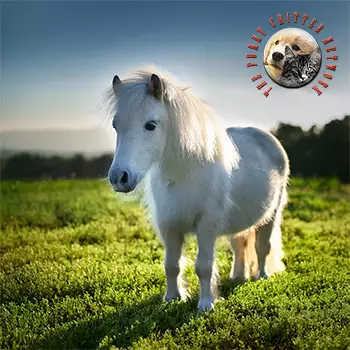
Miniature Horses may be small, but they are still horses with genuine space needs that far exceed what many first-time owners anticipate. A single mini requires a minimum of roughly a quarter acre of turnout space for adequate movement and mental stimulation, though more is always better. Crowding Miniature Horses into spaces designed for goats or large dogs leads to stress, behavioral problems, and accelerated pasture degradation.

Stall size is another area where the breed's dimensions create specific requirements. A standard horse stall measuring 12 by 12 feet is more than adequate for a single mini, but many owners opt for 8-by-10 or 10-by-10 stalls, which provide comfortable room for the horse to turn around, lie down, and stand without restriction. The ceiling height can be lower than a full-sized horse barn — eight feet is generally sufficient — but adequate ventilation must still be maintained regardless of the reduced vertical space.

Turnout areas should provide enough room for the mini to trot, canter, and play freely. If pasture land is available, rotational grazing across multiple paddocks helps prevent overgrazing and allows forage to recover. For properties where acreage is limited, a dry lot with footing material such as pea gravel, sand, or crushed stone can serve as the primary turnout area, with controlled hay feeding replacing pasture grazing.

Local zoning and land-use regulations often dictate the minimum acreage required to keep equines, and these rules apply to Miniature Horses just as they do to full-sized breeds. Before purchasing or building any housing infrastructure, verify setback requirements, maximum animal density allowances, and any manure management obligations imposed by your municipality or homeowners' association.

Shelters & Barns

Shelter is a non-negotiable component of Miniature Horse housing. At a minimum, every mini needs access to a three-sided run-in shed that provides protection from wind, rain, and direct sun. Run-in shelters are the simplest and most cost-effective option — a structure roughly 10 by 12 feet can comfortably shelter two Miniature Horses simultaneously. The open side should face away from the prevailing wind direction, and the roof should have a slight pitch to encourage water runoff.

Full barn setups offer more control over the environment and are preferable in regions with extreme weather. When designing or selecting a barn for minis, pay attention to door heights and widths. Standard horse barn doors may be unnecessarily large, while doors designed for livestock like goats may be too narrow for a mini to pass through comfortably with a handler alongside. A door opening of at least four feet wide and six feet tall works well for most Miniature Horses.

Ventilation is critical in any enclosed structure. Poor airflow leads to ammonia buildup from urine, dust accumulation from hay and bedding, and elevated humidity — all of which contribute to respiratory disease. Barns should have ridge vents, eave openings, or windows that can be adjusted seasonally. The goal is constant gentle air movement without direct drafts at the horse's level.

Flooring in shelters and stalls should be durable, well-drained, and easy to clean. Packed clay, rubber mats over compacted gravel, or interlocking rubber pavers are all solid choices. Concrete is durable but hard on joints and slippery when wet unless covered with thick rubber matting. Avoid bare dirt floors that become muddy pits during wet weather and create an ideal breeding ground for thrush and other hoof infections.

Bedding & Stall Comfort

Choosing the right bedding material directly affects your Miniature Horse's respiratory health, hoof condition, and overall comfort. The most common options include wood shavings, straw, pelleted bedding, and shredded paper. Each has trade-offs in terms of absorbency, dust level, cost, and ease of mucking. For Miniature Horses, kiln-dried pine or aspen shavings are a popular default because they offer good absorbency and relatively low dust when sourced from a reputable supplier.

Pelleted bedding has gained popularity in recent years due to its exceptional absorbency and compact storage footprint. The pellets expand when they absorb moisture and break down into a soft, sawdust-like material. They generate less dust than traditional shavings and make spot-cleaning efficient. The initial cost per bag is higher, but many owners find that the slower consumption rate offsets the price difference over time.

Straw is a traditional choice that provides a warm, comfortable bed but comes with notable downsides. It is less absorbent than shavings or pellets, it can harbor mold if stored improperly, and Miniature Horses are prone to eating their bedding — straw consumption adds unmonitored calories and increases the risk of impaction colic. If straw is used, it should be high-quality, dust-free, and offered alongside adequate hay to reduce the temptation to eat bedding.

Regardless of the material chosen, stalls should be cleaned daily, with wet spots removed and fresh bedding added to maintain a dry, sanitary surface. A full stall strip — removing all bedding down to the floor, disinfecting, and replacing with fresh material — should be performed on a regular cycle, typically weekly or biweekly depending on usage. Proper bedding management is one of the simplest and most effective ways to prevent hoof disease and respiratory issues.

Fencing & Containment

Fencing for Miniature Horses requires careful thought because their small size creates escape opportunities that would never exist with a full-sized horse. Standard agricultural fencing with wide spacing between boards or wires can allow a determined mini to slip through or get stuck. The ideal fencing uses closely spaced rails, mesh panels, or wire with openings no larger than two by four inches. Wooden board fencing works well when the bottom rail is placed low enough — no more than eight to ten inches off the ground — to prevent rolling under.

Welded wire mesh attached to wooden posts is one of the most effective and economical fencing solutions for Miniature Horses. It prevents escape attempts, resists leaning and rubbing, and is safe enough to avoid the leg entanglement injuries that can occur with loose wire or wide-gap fencing. Vinyl or PVC fencing is another option that looks clean and requires minimal maintenance, but it should be reinforced with an interior wire or tape to provide actual containment strength, as vinyl alone flexes under pressure.

Fence height can be lower than what is required for full-sized horses, but it should still be a minimum of four feet to discourage jumping. Some particularly athletic or motivated minis can clear a three-foot fence with surprising ease. Gates should latch securely with hardware that the horses cannot manipulate — Miniature Horses are notoriously clever with latches and can learn to open simple hooks and chains.

Electric fencing can serve as an effective supplement to physical fencing, particularly for managing rotational grazing paddocks. A single strand of electric tape or rope at chest height for the mini acts as a psychological deterrent once the horse has been properly introduced to it. However, electric fencing should never be the sole containment method, as a power failure or battery depletion leaves the paddock effectively open.

Climate Considerations

Miniature Horses are generally hardy across a wide range of climates, but their smaller body mass means they lose and gain heat more rapidly than larger equines. In cold weather, minis grow a dense winter coat that provides excellent insulation as long as it remains dry. Blanketing is usually unnecessary for healthy adults with full winter coats and access to shelter, but clipped horses, seniors, and those in poor body condition may benefit from a well-fitted turnout blanket during severe cold or freezing rain.

Heat management is equally important. Miniature Horses can overheat quickly during hot, humid weather, particularly if they are overweight or have metabolic conditions. Shade — whether from trees, shelters, or shade structures — must be available in every turnout area during warm months. Fans in barns and stalls improve air circulation and help dissipate heat. Misting systems can provide additional cooling but should be used judiciously to avoid creating excessively muddy footing around shelter areas.

Mud management is a year-round concern in many regions and has direct implications for hoof health and parasite control. Miniature Horses standing in persistent mud are at elevated risk for thrush, scratches (pastern dermatitis), and internal parasites. High-traffic areas around gates, water troughs, and shelter entrances should be reinforced with gravel, rubber grid mats, or geotextile fabric topped with crushed stone to create a stable, well-drained surface.

In regions that experience dramatic seasonal swings, housing infrastructure should be adaptable. Removable barn panels, adjustable ventilation openings, and modular shade structures allow owners to reconfigure the environment as conditions change. Planning for drainage during spring thaw or heavy rains is just as important as preparing for winter wind chill.

Multi-Horse Households

Miniature Horses are highly social animals and generally thrive when housed with at least one companion. However, multi-horse living arrangements require careful planning around space allocation, feeding logistics, and herd dynamics. Each additional horse should add a minimum of a quarter acre of turnout space and an individual feeding station to reduce competition and bullying during mealtimes.

Herd hierarchy is a real factor even among minis. Dominant individuals may guard feed, water, and shelter access, pushing subordinate horses away from essential resources. Observe herd dynamics closely during the first few weeks of any new grouping. If one horse is consistently denied access to shelter or food, separate feeding areas or a second shelter structure may be necessary. In extreme cases, incompatible individuals may need to be housed in adjacent but separate paddocks where they can see and socialize through the fence without physical confrontation.

Housing Miniature Horses alongside full-sized horses is possible but requires additional precautions. Full-sized horses can inadvertently injure a mini during play or dominance displays simply due to the size disparity. Fencing between mixed-size groups should allow visual and nasal contact while preventing physical interaction. Shared turnout can work when the personalities are well matched, but supervision during initial introductions is essential.

Miniature Horses also do well living alongside other species such as goats, donkeys, or sheep, and are frequently used as companion animals for horses who cannot be turned out with other equines. When mixing species, ensure that feed and supplements are species-appropriate and that no animal has unsupervised access to feed intended for another — goat minerals, for example, contain copper levels that are safe for goats but can be toxic to equines in large quantities.

Always consult a qualified professional before making any health-related decisions. This content is provided for informational reference only and should not replace professional guidance specific to your animal.