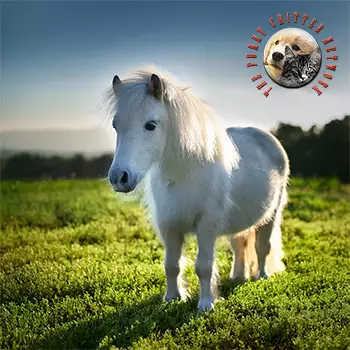

Miniature Horses have a metabolism that is remarkably efficient compared to their full-sized counterparts, which means they require far fewer calories per pound of body weight than most people expect. Their small stature can be deceiving — overfeeding is one of the most common and dangerous mistakes owners make. A Miniature Horse's diet should be built primarily around high-quality forage, with concentrates added only when caloric or nutritional gaps exist. Understanding their baseline requirements for protein, fiber, vitamins, and minerals is the foundation of responsible feeding.
Because Miniature Horses are exceptionally prone to obesity, metabolic syndrome, and hyperlipemia, caloric intake must be carefully monitored. Most healthy adult minis do well on roughly 1.5 to 2 percent of their body weight in forage per day, with adjustments made for age, workload, pregnancy, or lactation. Protein needs are moderate — generally between 8 and 12 percent of the total diet — and excessive protein can stress the kidneys and contribute to unwanted weight gain.
Mineral and vitamin balance is just as critical as calorie management. Miniature Horses need adequate calcium, phosphorus, magnesium, zinc, copper, and selenium, but the ratios matter as much as the totals. A forage-only diet may fall short in certain trace minerals depending on the region where the hay was grown, so a ration balancer or mineral supplement is often necessary. Owners should work with an equine nutritionist or veterinarian to review hay analysis results and tailor the mineral program accordingly.
Hydration is an often-overlooked component of nutrition. Miniature Horses should have constant access to clean, fresh water. Dehydration can trigger or worsen impaction colic, which minis are already predisposed to due to their smaller digestive tracts. In winter months, water intake tends to drop, so offering lukewarm water or using heated buckets can encourage adequate consumption.