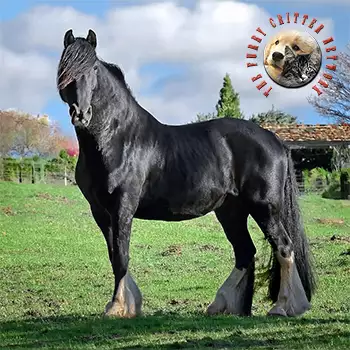

Space Requirements

The Irish Draught is a substantial horse that typically stands between fifteen and sixteen hands, with some individuals reaching well over sixteen hands. This size demands generous space allocations in both stabled and turnout environments. A standard twelve-by-twelve-foot stall is the absolute minimum for this breed, and many owners find that a twelve-by-fourteen or even fourteen-by-fourteen-foot stall provides noticeably better comfort and reduces the risk of injury from turning or lying down in tight quarters.

Turnout space is equally important and arguably more critical to the Irish Draught's overall well-being. This breed evolved on Irish farmland where horses lived outdoors for much of the year, and modern Irish Draughts retain a strong preference for movement and open space. A minimum of one to two acres per horse is recommended for adequate grazing and exercise, though more space is always beneficial. Overcrowded pastures lead to overgrazing, parasitic contamination, and social stress among herd members.

The layout of the housing area should allow the horse to see other horses or activity, as the Irish Draught is a sociable breed that can become anxious or develop stable vices when isolated. Stalls positioned along a central aisle with open grillwork or bars above the solid partition walls allow visual and social contact between horses while maintaining physical separation.

Drainage is a critical consideration in any equine housing setup. The Irish Draught's substantial weight means that poorly drained areas around gates, water troughs, and high-traffic zones will deteriorate quickly into deep mud. Investing in proper grading, French drains, or geotextile fabric with a gravel overlay in these areas saves considerable time and expense in the long run and protects the horse's hooves and limbs.

Stables and Barn Design

A well-designed stable provides the Irish Draught with protection from extreme weather while maintaining excellent ventilation. Respiratory health is a primary concern in any enclosed equine environment, and the barn should be engineered to move air continuously without creating cold drafts at horse level. Ridge vents, eave openings, and strategically placed windows or louvers create a natural chimney effect that exhausts stale, ammonia-laden air and draws in fresh air from below.

Ceiling height in the stable should be a minimum of ten feet, with twelve feet or more being preferable for a taller Irish Draught. Low ceilings restrict airflow, trap heat and moisture, and increase the risk of head injuries. Overhead lighting fixtures, fans, and hay storage should all be positioned well out of reach, with wiring enclosed in conduit rated for agricultural environments.

Flooring choices significantly impact both the horse's comfort and the ease of daily maintenance. Rubber stall mats over a compacted base of crushed stone or clay provide excellent cushioning for joints, reduce bedding requirements, and are easy to clean and disinfect. Concrete floors are durable and easy to drain but require thick rubber matting to prevent joint strain. Bare earth or clay floors offer natural cushioning but can become uneven and harbor bacteria if not properly maintained.

Door design matters for a horse of this size. Stall doors should be a minimum of four feet wide and at least eight feet tall to allow the horse to pass through comfortably without ducking or bumping hips. Sliding doors are generally safer than swinging doors in a barn aisle, as they eliminate the risk of a door swinging into the horse or handler. All latches should be horse-proof — the Irish Draught is an intelligent breed known for figuring out simple latching mechanisms.

Field Shelters and Run-In Sheds

For Irish Draughts kept primarily on pasture, a field shelter or run-in shed provides essential protection from wind, rain, and summer insects without requiring the horse to be stabled. The breed's Irish heritage means it is well adapted to cool, wet climates, but prolonged exposure to driving rain and wind without shelter can lead to rain scald, compromised immune function, and loss of body condition.

A run-in shed for a single Irish Draught should offer a minimum of one hundred and fifty square feet of covered floor space, with the open side facing away from the prevailing wind direction. For multiple horses, allow at least one hundred square feet per additional animal and ensure the opening is wide enough that a dominant horse cannot trap a subordinate inside. Two separate openings or a through-design with openings on opposite ends prevents this problem effectively.

Construction materials should be sturdy enough to withstand both weather and the occasional bump or kick from a large horse. Pressure-treated timber framing with steel or heavy-duty plywood cladding is a common and durable choice. Metal roofing panels are long-lasting and low maintenance, though they should be insulated or lined to reduce condensation dripping onto the horses below. All interior surfaces should be smooth and free of protruding bolts, nails, or sharp edges.

The floor of a field shelter benefits from the same drainage-first approach used in barn stalls. Excavating the footprint, laying geotextile fabric, and filling with several inches of compacted crushed stone creates a surface that drains well and is easy to clean. A layer of rubber mats on top adds comfort and further simplifies maintenance. Regular mucking and periodic refreshing of the base material keep the shelter hygienic.

Fencing and Boundaries

Fencing is one of the most important investments in any horse property, and the Irish Draught's size and strength demand materials that are both strong and safe. Post-and-rail fencing made from treated hardwood or vinyl is widely considered the gold standard for horse enclosures. Rails should be mounted on the inside of the posts so that a leaning horse pushes the rail against the post rather than popping it off. A minimum height of four and a half feet is appropriate for most Irish Draughts, though particularly tall individuals may warrant five-foot fencing.

High-tensile polymer fencing has become increasingly popular as a modern alternative to traditional wood rail. These products offer excellent visibility, some degree of flex on impact, and dramatically lower maintenance than painted wood. When properly installed with appropriate tensioning, polymer fencing combines the safety advantages of wood rail with a lifespan that can exceed twenty years.

Wire fencing requires careful consideration for horses. Smooth high-tensile wire with a top rail of wood or polymer can be acceptable when properly installed and maintained, but barbed wire should never be used for horse enclosures. The risk of severe lacerations is simply too high. Woven no-climb mesh is a safer wire option, particularly for boundary fencing where the horse might be inclined to lean or reach through.

Gates should be wide enough to allow safe passage of the horse and handler together — a minimum of ten feet for single-horse gates and twelve to sixteen feet for equipment access. Gate hardware should be robust, with pintle hinges or heavy-duty strap hinges capable of supporting the gate's weight without sagging. Self-closing mechanisms and horse-proof latches prevent escapes and reduce the risk of a gate being left open accidentally.

Climate Considerations

The Irish Draught developed in Ireland's mild, maritime climate and is naturally well suited to cool, damp conditions. The breed grows a thick winter coat that provides excellent insulation against cold temperatures, and most healthy Irish Draughts can live outdoors year-round in temperate climates with nothing more than a field shelter and appropriate nutrition. In these conditions, blanketing is generally unnecessary and can actually interfere with the natural thermoregulation provided by the winter coat.

However, horses that are clipped for winter work, elderly individuals, or those in poor condition may benefit from a well-fitted turnout rug. When selecting a turnout blanket, look for waterproof and breathable outer fabrics, reinforced seams, and a design that allows free movement through the shoulder. Improperly fitted blankets cause rubs, restrict movement, and can slip dangerously if the horse rolls or plays. Having the horse measured and trying on several options before committing to a purchase is well worth the effort.

In hot and humid climates, the Irish Draught can struggle more than in cold conditions. Heat stress is a genuine concern for this thick-bodied breed during summer months. Shade, whether from trees or man-made shelters, is essential. Fans in the stable improve air circulation and help dissipate body heat, and misters or sprinkler systems in outdoor areas can provide additional cooling during extreme heat events.

Mud management is a year-round consideration in wet climates and a seasonal challenge almost everywhere else. Chronic exposure to wet, muddy conditions predisposes horses to conditions such as scratches, thrush, and abscesses. Establishing sacrifice paddocks with proper footing — areas where horses can be turned out during wet periods to protect the main pastures — is one of the most effective strategies for managing mud while preserving pasture quality.

Multi-Horse Properties

Irish Draughts are generally easygoing herd members with a calm disposition that makes them compatible with a wide range of other horses. Nonetheless, managing a multi-horse property requires thoughtful planning around space allocation, feeding logistics, and social dynamics. Each horse should have enough room to move away from herd pressure, and feeding stations should be spaced far enough apart — a minimum of thirty to forty feet — to minimize competition and aggression at mealtimes.

When introducing a new Irish Draught to an established herd, a gradual process produces the safest results. Begin with visual contact across a safe fence line for several days, then allow supervised turnout with a single calm companion before introducing the horse to the larger group. This phased approach reduces the intensity of initial herd-sorting behavior and gives the newcomer time to learn the social hierarchy without being overwhelmed.

Shared water sources in multi-horse environments should be large enough that multiple horses can drink simultaneously, and they should be positioned away from corners or dead-end areas where a horse could be trapped by a more dominant individual. Automatic waterers with individual stations or large trough systems with access from multiple sides both work well. Checking water sources daily to ensure flow, cleanliness, and absence of algae or debris is a non-negotiable element of daily management.

Stable design for a multi-horse facility should consider workflow as much as horse comfort. Wide aisles — a minimum of twelve feet — allow two horses to pass safely. Feed and bedding storage located centrally reduces the distance traveled during daily chores. A designated grooming and tacking area keeps the aisle clear and reduces congestion. Thoughtful layout planning during the design phase saves countless hours of labor over the life of the facility.

Always consult a qualified professional before making any health-related decisions. This content is provided for informational reference only and should not replace professional guidance specific to your animal.