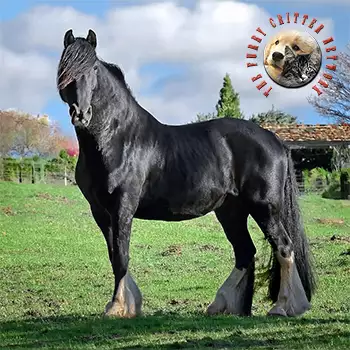

Nutritional Needs

The Irish Draught is a versatile sport and working horse with a robust constitution that thrives on a well-balanced diet. Originally bred to work on small Irish farms, this breed developed an efficient metabolism capable of maintaining good condition on relatively modest rations. Understanding this metabolic efficiency is the first step toward building a feeding program that supports health without encouraging excess weight gain.

Because the Irish Draught ranges from medium to large in frame, daily caloric requirements vary considerably depending on workload, age, and reproductive status. A horse in light work may need only quality forage and a ration balancer, while one competing regularly in eventing or show jumping will require additional concentrates and possibly fat supplementation. Overfeeding energy-dense feeds to a lightly worked Irish Draught is one of the most common nutritional mistakes owners make.

Protein quality matters as much as quantity. Growing Irish Draughts and broodmares need higher levels of essential amino acids such as lysine and methionine, while mature horses in maintenance can usually meet their protein requirements through good-quality hay alone. Mineral balance is equally important, particularly the calcium-to-phosphorus ratio, which should remain close to two-to-one for proper bone maintenance and metabolic function.

Hydration is a frequently overlooked component of equine nutrition. An Irish Draught at rest may drink thirty to forty liters of water per day, with that figure doubling or more during hot weather or intense exercise. Ensuring constant access to clean, fresh water and providing an electrolyte supplement during periods of heavy sweating supports digestion, thermoregulation, and overall performance.

What to Look For in Feed

When evaluating commercial feeds for the Irish Draught, the guaranteed analysis panel is your most reliable tool. Look for feeds that list a specific protein source — such as soybean meal or alfalfa meal — rather than vague collective terms. A crude protein level between ten and fourteen percent is appropriate for most adult Irish Draughts, with higher values reserved for horses in demanding work or lactating mares.

Fiber content deserves close attention. Feeds with adequate structural fiber support hindgut health and reduce the risk of gastric upset. A minimum crude fiber content of around fifteen percent in any concentrate feed is a reasonable benchmark, though the bulk of the horse's fiber intake should always come from forage. Avoid feeds that rely heavily on molasses or other simple sugars to improve palatability, as these can contribute to metabolic issues over time.

Fat content in commercial feeds typically ranges from two to eight percent. For Irish Draughts in moderate to heavy work, a feed toward the higher end of that range can provide sustained energy without the excitability sometimes associated with high-starch diets. Look for feeds that source fat from stabilized oils such as rice bran or flaxseed rather than from animal-derived fats.

The ingredient list should be free of artificial colors and unnecessary fillers. Whole grains and identifiable ingredients are preferable to heavily processed byproducts. If you are comparing two feeds with similar guaranteed analyses, the one with fewer and more recognizable ingredients is generally the better choice for long-term health.

Forage Selection

Forage forms the foundation of any Irish Draught feeding program and should constitute at least sixty to seventy percent of the total diet by weight. Good-quality grass hay or a grass-legume mix provides the fiber, vitamins, and minerals this breed needs for digestive health and steady energy. Timothy, orchardgrass, and bromegrass hays are popular choices that offer moderate calorie density without excessive sugar content.

Alfalfa hay can be a valuable addition for horses with higher protein and calcium demands — particularly young growing stock, broodmares in late gestation, and horses recovering from illness or injury. However, feeding straight alfalfa to a mature Irish Draught in light work risks providing excess calories and protein, which can strain the kidneys and encourage unwanted weight gain. A blended approach, mixing alfalfa with grass hay, often strikes the right balance.

Hay quality varies enormously from one cutting to the next, so testing your forage is one of the most cost-effective investments you can make. A basic forage analysis will reveal crude protein, digestible energy, sugar and starch content, and mineral levels. This information allows you to tailor your concentrate and supplement program precisely, rather than guessing and potentially over-supplementing.

For Irish Draughts prone to metabolic sensitivity or easy weight gain, soaking hay for thirty to sixty minutes before feeding can reduce water-soluble carbohydrate content by up to thirty percent. This simple step can make a significant difference in managing body condition without restricting forage intake, which is important for maintaining gut motility and preventing boredom-related vices.

Concentrates and Grain Options

Concentrates serve as a caloric and nutritional top-up when forage alone cannot meet the Irish Draught's energy or micronutrient requirements. Pelleted feeds, textured sweet feeds, and extruded feeds each have advantages and drawbacks. Pelleted feeds offer consistent nutrition in every bite and reduce sorting behavior, while textured feeds encourage more thorough chewing, which promotes saliva production and buffering of stomach acid.

For Irish Draughts that maintain weight easily, a ration balancer is often the most appropriate concentrate option. These low-intake pellets are designed to deliver essential vitamins, minerals, and amino acids without adding significant calories. They pair well with a quality forage program and eliminate the need for multiple individual supplements in most cases.

Horses in moderate to heavy work may benefit from a performance-oriented feed with a higher calorie density. Look for options that derive a meaningful portion of their energy from fat and digestible fiber rather than relying entirely on starch. High-starch diets can increase the risk of hindgut acidosis and contribute to excitable behavior, which is generally undesirable in a breed valued for its calm temperament.

Feeding concentrates in small, frequent meals rather than one or two large portions supports optimal digestion and nutrient absorption. Ideally, no single concentrate meal should exceed two kilograms for an average-sized Irish Draught. Splitting the daily concentrate ration into three or even four feedings reduces the glycemic spike associated with large grain meals and supports more stable energy levels throughout the day.

Treats and Supplements

Treats can play a positive role in training and bonding, but they should be offered in moderation and chosen thoughtfully. Carrots, apples, and small pieces of beet pulp are popular whole-food options that most Irish Draughts enjoy. Commercial horse treats vary widely in sugar content, so reading the label is important — choose options with low added sugars and avoid those that list molasses or corn syrup as a primary ingredient.

Joint supplements containing glucosamine, chondroitin, and hyaluronic acid are commonly fed to Irish Draughts, particularly those involved in jumping or eventing where repetitive concussion can stress joints over time. While scientific evidence on oral joint supplements remains mixed, many owners report noticeable improvements in comfort and mobility. If you choose to supplement, select products that provide clinically relevant dosages rather than token amounts.

Hoof supplements based on biotin, zinc, and methionine can benefit Irish Draughts with slow hoof growth or brittle horn quality. Biotin supplementation at a rate of fifteen to twenty milligrams per day has the strongest research support, though improvements typically take six to twelve months to become visible in new hoof growth. Consistency is essential — intermittent supplementation yields poor results.

Omega-3 fatty acid supplements derived from flaxseed or marine sources support coat quality, immune function, and may help modulate inflammatory responses. These are particularly worth considering for horses with skin sensitivities or those recovering from soft tissue injuries. As with all supplements, introduce new products one at a time so you can accurately assess their effects.

Foods to Avoid

Certain feeds and food items pose serious health risks to horses and should never be offered to an Irish Draught. Lawn clippings are among the most dangerous because they ferment rapidly and can cause colic, choke, or laminitis. Even small quantities of freshly cut grass dumped over a fence line can trigger a life-threatening episode, so educating neighbors and visitors is a worthwhile precaution.

Feeds designed for cattle, poultry, or other livestock should never be given to horses. Many cattle feeds contain ionophores such as monensin, which are extremely toxic to horses — even tiny amounts can cause fatal cardiac damage. Always store horse feed separately from other livestock feeds and clearly label all feed bins to prevent accidental cross-contamination.

Certain plants and fruits are also hazardous. Avocado, onions, garlic, tomatoes, and members of the nightshade family should never be fed. Acorns and oak leaves contain tannins that can damage the kidneys and gastrointestinal tract if consumed in quantity. If your pasture borders oak trees, restricting access during heavy acorn fall in autumn is a prudent measure.

Moldy or dusty hay is a significant respiratory and digestive hazard. Mycotoxins produced by mold can cause colic, liver damage, and neurological symptoms. Always inspect hay bales before feeding — reject any that smell musty, feel warm to the touch, or show visible mold growth. Proper hay storage in a dry, well-ventilated area is one of the simplest ways to protect your horse's health.

Feeding Schedule

Horses are trickle feeders by nature, and the Irish Draught's digestive system is designed for near-constant intake of small amounts of forage. Building a feeding schedule that respects this physiology reduces the risk of gastric ulcers, colic, and behavioral issues related to hunger and boredom. Ideally, the horse should never go longer than four to five hours without access to forage during the day.

A practical daily schedule for a working Irish Draught might begin with a morning hay ration and a small concentrate feed, followed by turnout on pasture or a second hay net. A midday check allows for topping up hay if needed. The evening routine would include another concentrate meal if warranted by workload, along with a generous hay ration to carry the horse through the night.

Seasonal adjustments are important. During winter, when pasture quality declines and caloric demands increase for thermoregulation, total forage intake may need to rise by ten to twenty percent. Conversely, spring pasture can be exceptionally rich in sugars, and limiting grazing time or using a grazing muzzle may be necessary to prevent laminitis in susceptible individuals.

Monitoring body condition on a regular basis — ideally every two weeks — allows you to make feeding adjustments before weight gain or loss becomes a problem. Use a standardized body condition scoring system and record the results. The Irish Draught should maintain a score in the moderate range, with ribs easily felt but not visible, and a smooth topline without excessive fat deposits along the crest of the neck or over the tailhead.

Always consult a qualified professional before making any health-related decisions. This content is provided for informational reference only and should not replace professional guidance specific to your animal.