
Irish Draught Breed Guide - Furry Critter Network

Irish Draught

Quick Facts

🔬 Scientific Name
Equus ferus caballus
📋 Breed Registry
Irish Draught Horse Society / Horse Sport Ireland
📊 Care Level
Intermediate
😊 Temperament
Willing
📏 Height
15.2-17 hands
⏱️ Lifespan
25-30 years
⚖️ Weight
1,300-1,700 lbs
🎨 Coat Colors
Bay, Gray, Chestnut, Black, Brown, Dun
🍽️ Diet Type
Herbivore
🌍 Origin
Ireland
📐 Size
Large

Irish Draught - Names & Recognition

The Irish Draught holds the distinguished position of being Ireland's national horse breed, representing centuries of selective breeding for the ideal all-purpose farm horse. The name "Draught" (pronounced "draft") refers to the breed's historical role pulling plows, carts, and other farm implements, though the spelling reflects British and Irish conventions rather than American usage. Some sources use "Irish Draft" interchangeably.

Horse Sport Ireland maintains the official Irish Horse Register containing the Irish Draught studbook, having assumed this responsibility from the Irish Horse Board in 2008. The Irish Draught Horse Breeders Association works alongside regulatory bodies to promote purebred breeding and maintain breed standards. In Great Britain, the Irish Draught Horse Society (Great Britain) has operated since 1979, while the Irish Draught Horse Society of North America serves breeders in the United States and Canada.

The term "Irish Sport Horse" or "Irish Draught Sport Horse" designates horses produced by crossing Irish Draughts with Thoroughbreds and warmbloods. While these crossbreds have achieved remarkable success in international jumping and eventing, they represent a distinct category from purebred Irish Draughts. The popularity of these crosses has ironically threatened the purebred population, as many Irish Draught mares produce only crossbred offspring.

Conservation status has become a serious concern for the breed. The Food and Agriculture Organization of the United Nations classifies the Irish Draught as "endangered-maintained," while The Livestock Conservancy places them on the "Threatened" list. Aggressive selection for sport horse characteristics and inbreeding to popular performance bloodlines have narrowed genetic diversity, prompting research initiatives aimed at developing breeding plans to preserve traditional breed traits.

Irish Draught Physical Description

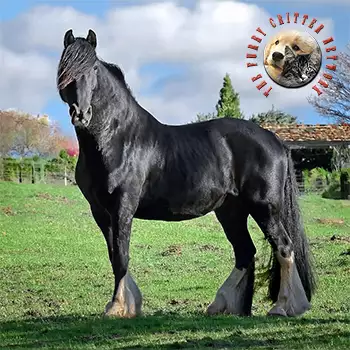
The Irish Draught presents a powerful yet athletic appearance that distinguishes it from heavier draft breeds. Despite carrying "Draught" in its name, this breed is considerably lighter and more refined than Clydesdales, Shires, or Percherons. The ideal Irish Draught conveys an impression of quality—substantial bone and strength without coarseness or ponderous heaviness.

Height standards differ somewhat between stallions and mares, with stallions typically standing 16 to 17 hands and mares 15.2 to 16.2 hands. The breed shows considerable variation in size, reflecting both historical regional differences and ongoing debates about ideal type. Weight typically ranges from 1,300 to 1,700 pounds, with well-developed muscle contributing to an appearance of solid strength.

The head should be pleasant and well-proportioned—neither too fine nor coarse—with a broad forehead, large, kind eyes set well apart, and long, well-set ears. A "hatchet" head or Roman nose is considered faulty. The neck is moderately long and well-arched, set into strong, sloping shoulders that allow free forward movement. The withers are well-defined, providing a secure seat for saddles.

Body conformation emphasizes functionality. The back is strong and relatively short, connecting to a long, gently sloping croup and powerful hindquarters. The chest is deep and broad, allowing ample room for heart and lungs. The barrel shows good depth through the girth, reflecting the breed's capacity for hard work and stamina. Overall proportions appear balanced, with the horse standing "over a lot of ground" without seeming spread or unwieldy.

Legs are critically important in the breed standard. The Irish Draught is characterized by clean, dense bone—substantial without appearing round or coarse. Cannons are short and flat, with strong, well-defined tendons. The distinctive absence of heavy feathering sets the breed apart from British heavy drafts; legs should be clean with perhaps only fine, silky hair at the fetlocks. Hooves are large, round, and strong—described as "like a hunter's, not a carthorse's." Sound legs and feet represent essential breed characteristics.

Coat colors are predominantly solid, with bay being most common, followed by gray, chestnut, black, and brown. Dun occurs occasionally. While some white markings are acceptable, extensive white on legs above the knees or hocks is discouraged by the breed standard. The coat itself is fine and short in summer, developing moderate winter growth.

Riding Suitability
Irish Draughts suit riders with some experience who appreciate their forward yet sensible attitudes. Their smooth, ground-covering gaits and natural jumping ability make them excellent riding horses. They tolerate mistakes gracefully but benefit from riders who can channel their energy and athleticism effectively.
Temperament
The breed displays intelligent, willing temperaments combining sensibility with forward thinking. They form strong bonds with handlers and approach work cooperatively. Neither hot nor dull, they offer the responsiveness needed for sport with the levelheadedness that makes them safe and pleasant partners.
Activity Level
Irish Draughts possess moderate to high energy levels suited to athletic pursuits. They require regular exercise to maintain fitness and contentment, thriving with consistent work programs. Their stamina allows extended riding sessions, and they maintain enthusiasm for work that engages their athletic capabilities.
Space Requirements
Their larger size and active natures require adequate space, typically 2-3 acres per horse for comfortable pasture living. Stalls should be correspondingly sized at 12x14 feet minimum. Turnout areas need sufficient room for these athletic horses to move freely and exercise naturally.
Grooming Requirements
The breed's clean legs without heavy feathering simplify grooming compared to draft breeds. Regular brushing maintains coat health, and their relatively short, fine coats require standard equine grooming routines. Mane and tail care is straightforward, making daily maintenance manageable.
Climate Adaptability
Having developed in Ireland's variable, often damp climate, Irish Draughts adapt well to various weather conditions. They tolerate rain, cold, and humidity readily. Their winter coats provide adequate insulation, though they appreciate shelter from extreme conditions. They manage heat reasonably well with appropriate care.
Health Hardiness
Generally robust and sound, Irish Draughts benefit from their practical breeding heritage that emphasized working soundness. Their clean legs and strong hooves contribute to durability. The breed shows good disease resistance, though maintaining genetic diversity remains important for long-term health.
Feed Management
Irish Draughts require moderate feed management, neither extremely easy nor hard keepers. Working horses need appropriate nutrition to fuel their activity, while those in lighter work require monitored intake to prevent weight gain. Quality forage forms the dietary foundation with concentrates as needed.

Temperament

The Irish Draught possesses a temperament ideally suited to its historic role as the all-around farm and family horse. These horses display intelligence, willingness, and sensibility—traits selected over generations because farmers couldn't tolerate difficult or dangerous horses that multiple family members needed to handle. The result is a breed known for cooperative attitudes and trainable minds.

Their intelligence manifests in quick learning and good retention of training. Irish Draughts typically understand what's being asked of them and respond willingly when requests are fair and clear. They're thinking horses who engage with their work rather than simply reacting to stimuli. This mental engagement makes them rewarding training partners but also means they may become bored with repetitive, unstimulating routines.

Willingness stands as a defining characteristic. The breed description emphasizes that Irish Draughts possess "willingness, intelligence, docility and common sense." They approach work cooperatively, tackling tasks with forward-thinking attitudes rather than reluctance or resistance. This doesn't mean they're push-button horses without personality—they have opinions and preferences—but they generally want to please their handlers and work as partners.

Docility in the breed refers to a gentle, manageable nature rather than dullness or lack of spirit. Irish Draughts are not hot or reactive horses, but neither are they sluggish or unresponsive. They occupy a pleasant middle ground—responsive enough for athletic endeavors yet sensible enough for riders who don't want explosive reactions to every stimulus. This balance makes them suitable for riders seeking performance without excessive drama.

Their common sense—another trait highlighted in breed descriptions—appears in their approach to challenges and novel situations. Rather than panicking at unfamiliar objects or circumstances, Irish Draughts typically assess situations rationally. This levelheadedness made them invaluable on farms where horses encountered varied situations and couldn't be allowed to bolt or misbehave. It continues serving owners well in competition environments, trail situations, and general handling.

Physical courage complements their mental stability. The breed's historic use in fox hunting required horses willing to tackle challenging obstacles at speed, trusting their riders to point them at jumpable fences. This boldness remains characteristic of the breed, contributing to their success as sport horse foundations. They approach jumping confidently and rarely develop the refusal habits that plague less courageous horses.

Socially, Irish Draughts integrate well with other horses and humans. They form genuine bonds with their handlers, showing interest in human activities and often seeking interaction. In herds, they typically establish themselves without excessive conflict, their sensible natures reducing drama. Their historical role in family environments means they generally tolerate handling by various people with different skill levels.

Facilities & Management

Housing Irish Draughts requires facilities that accommodate their substantial size while supporting their athletic needs and generally straightforward care requirements. These horses thrive in both traditional stabling arrangements and pasture-based systems, provided basic needs for shelter, space, and safety are met. Understanding their specific requirements helps owners provide appropriate environments without unnecessary expense.

Stall size matters significantly for these larger horses. A minimum of 12x14 feet provides adequate room for comfortable rest and movement, though larger stalls are preferable when available. Ceiling height should accommodate horses that may stand 17 hands—typically 10-12 feet minimum. Doorways need sufficient width and height for safe passage. Flooring should provide cushioning and traction, with rubber mats over well-drained bases being ideal.

Pasture requirements reflect the breed's size and activity needs. A minimum of 2-3 acres per horse provides adequate grazing and exercise space for these athletic animals. More acreage is beneficial where available, particularly for breeding operations or groups of horses. Quality fencing is essential—board fencing, post-and-rail, or properly installed no-climb wire safely contain these substantial horses. Electric fencing works well for subdivision and temporary containment.

Shelter needs are modest despite the breed's Irish origins. Run-in sheds offering protection from wind, rain, and harsh sun satisfy requirements in most climates. Horses should have access to shade during hot weather and wind protection during storms. Three-sided shelters oriented away from prevailing weather serve well. While these hardy horses tolerate considerable weather variation, access to dry standing areas during prolonged wet periods maintains leg and hoof health.

Exercise facilities enhance management of athletic Irish Draughts. An arena or riding area with appropriate footing allows regular work regardless of weather or pasture conditions. Jumping facilities benefit horses intended for sport careers. Round pens or small paddocks aid training and provide turnout options when full pasture access isn't available. Safe, level ground for longeing supports fitness programs.

The breed's clean legs without heavy feathering simplify footing considerations compared to heavily feathered breeds. However, mud management still matters for hoof health. High-traffic areas—around gates, waterers, and feeding stations—benefit from improved footing such as gravel or rubber matting. Proper drainage throughout the property prevents standing water that can cause hoof problems.

Storage facilities should accommodate the supplies necessary for larger horses. Hay consumption is substantial, requiring significant storage capacity with protection from weather and rodents. Tack sized for larger frames needs appropriate storage. Grain and supplements should be kept in horse-proof containers. Medical supplies, farrier equipment, and general barn supplies need organized, accessible storage.

Water systems must provide the considerable quantities these large horses consume—typically 10-15 gallons daily, more in hot weather or during heavy work. Automatic waterers or large tanks serve well, with heating elements or tank heaters preventing ice formation in winter. Multiple water sources ensure access even if one system fails. Clean, fresh water should always be available in both pasture and stall areas.

Safety considerations throughout the facility protect valuable horses and their handlers. Adequate lighting prevents accidents during early morning and evening care. Fire safety equipment including extinguishers and smoke detectors should be readily accessible. Clear evacuation routes and plans prepare for emergencies. Regular facility inspections identify hazards before they cause injury.

Feeding & Nutrition

Feeding Irish Draughts balances support for their athletic potential with appreciation for their traditionally easy-keeping heritage. These horses evolved to perform substantial work on modest rations, an efficiency that remains characteristic of the breed. However, horses in active work require appropriate nutrition to fuel performance and maintain condition. Understanding this balance produces healthy, well-conditioned animals.

Quality forage provides the foundation for sound Irish Draught nutrition. Good grass hay or grass-legume mixes meet basic nutritional needs for most horses. Hay should be clean, free of dust and mold, with appropriate protein content for the horse's workload—typically 10-14% crude protein for horses in moderate work. Legume hays like alfalfa may be appropriate for horses in heavy work, growing youngstock, or breeding animals, though their richer composition requires careful feeding.

Pasture access contributes significantly to nutrition when available. Quality pasture provides excellent forage along with the movement and mental benefits of grazing. However, lush spring and fall growth may require management to prevent excessive intake, particularly in horses prone to weight gain. Rotational grazing systems optimize pasture health while controlling consumption.

Concentrate feeding should reflect actual work level and individual metabolism. Many Irish Draughts in light work maintain excellent condition on forage alone with mineral supplementation. Horses in regular athletic work—competing, training intensively, or performing other demanding activities—benefit from additional calories through quality concentrates. Low-starch, high-fiber feeds typically suit the breed better than high-energy sweet feeds or heavy grain mixes.

Protein requirements increase for horses in heavy work, growing youngstock, and breeding animals. Quality protein sources support muscle development and maintenance. Pregnant and lactating mares have elevated needs, particularly in late gestation and peak lactation. Growing horses require balanced nutrition supporting skeletal development without promoting excessive growth rates that stress joints.

Vitamin and mineral supplementation addresses potential gaps in forage nutrition. A balanced vitamin-mineral supplement or ration balancer ensures adequate micronutrient intake. Salt should be available free-choice in block or loose form. Regional soil deficiencies may require specific supplementation—selenium deficiency, for example, affects horses in certain geographic areas. Hay analysis provides information for targeted supplementation decisions.

Electrolyte supplementation benefits horses in heavy work, particularly in hot weather when sweating depletes mineral reserves. Plain salt meets sodium and chloride needs, while commercial electrolyte products provide broader mineral support. Horses competing or training intensively during warm months especially benefit from supplementation.

Feeding schedules should distribute intake across the day rather than concentrating nutrition in one or two large meals. Horses evolved as continuous grazers, and their digestive systems function best with steady forage intake. Multiple smaller concentrate feedings reduce digestive stress and improve nutrient absorption compared to large single meals.

Body condition monitoring ensures feeding programs achieve desired results. Irish Draughts should maintain moderate condition—ribs easily felt but not visible, no excessive fat deposits, and appropriate muscling for work level. Condition scoring at regular intervals catches changes requiring feeding adjustments. Working horses may need seasonal modifications, with increased calories supporting winter thermoregulation or heavy competition schedules.

Irish Draught Health & Lifespan

Irish Draughts generally display robust health reflecting their practical breeding heritage, where soundness for work was essential and unsound animals were quickly culled. Their clean-legged conformation and strong hooves contribute to durability under athletic use. However, the breed faces genetic diversity challenges that could affect long-term health, and certain conditions occur with enough frequency to merit owner awareness.

The Irish Draught's fundamental soundness—the breed's hallmark quality—rewards owners who provide appropriate preventive care and prompt attention to developing issues. Working with veterinarians familiar with the breed's characteristics and maintaining awareness of genetic health considerations supports long, productive lives.

Common Health Issues

  • Osteochondrosis - OCD, affects some young horses, causing abnormal cartilage and bone development in joints; early detection through examination of growing horses allows intervention before lameness develops.
  • Navicular syndrome can affect horses in heavy work - Causing chronic heel pain that may require corrective shoeing, anti-inflammatory management, and modified exercise programs.
  • Degenerative joint disease develops in aging horses, particularly those with histories of athletic careers - Management through joint supplements, appropriate exercise, and veterinary care maintains quality of life.
  • Recurrent airway obstruction - Heaves, affects some horses, causing chronic respiratory inflammation requiring environmental management, dust reduction, and potentially medical treatment.
  • Polysaccharide storage myopathy - PSSM, occurs in the breed, causing muscle problems related to abnormal glycogen storage; dietary management and appropriate exercise typically control symptoms.
  • Breeding-related issues have increased as genetic diversity narrows - With some lines showing elevated rates of developmental problems or reduced fertility that require careful breeding decisions.

Preventive Care & Health Monitoring

  • Annual veterinary examinations with attention to soundness - Joints, and overall health catch developing problems early when intervention is most effective.
  • Vaccination protocols appropriate to geographic location and exposure risk protect against preventable diseases including tetanus - Influenza, rhinopneumonitis, and regional threats.
  • Strategic parasite management through fecal egg counts and targeted deworming maintains internal health while preventing resistance development. - Strategic parasite management through fecal egg counts and targeted deworming maintains internal health while preventing resistance development.
  • Regular farrier care every 6-8 weeks maintains the sound hooves and proper hoof balance essential for athletic horses. - Regular farrier care every 6-8 weeks maintains the sound hooves and proper hoof balance essential for athletic horses.

Training & Handling

Training Irish Draughts leverages their intelligent, willing natures to develop versatile partners for numerous disciplines. These horses' combination of athleticism and sensibility makes them responsive training subjects who retain learning well. Understanding how to engage their minds while building their physical capabilities produces well-rounded horses ready for various careers.

Early handling establishes foundations for lifelong manageability. Foals should learn basic handling—leading, standing for grooming and hoof care, accepting veterinary attention—through patient, consistent work. The breed's naturally cooperative temperament means most young Irish Draughts accept these early lessons readily. Varied experiences during youth build on innate sensibility, producing confident adults comfortable in diverse situations.

Ground work continues developing partnerships as horses mature. Longeing and in-hand work build fitness, responsiveness, and communication before riding begins. The breed's intelligence means they understand and respond to ground work cues quickly, though trainers should maintain interest through varied exercises rather than endless repetition. Ground driving provides excellent preparation for horses destined for carriage work.

Under-saddle work should begin only when skeletal maturity permits. Irish Draughts, like many substantial breeds, mature more slowly than smaller, lighter horses. Starting too early risks damage to developing joints and bones. Most trainers wait until horses are three years old or older for backing, with full work loads delayed until age four or five. This patience produces sounder, longer-lasting performance horses.

The breed's natural jumping ability often becomes apparent early in training. Many Irish Draughts approach fences with enthusiasm and natural technique. Developing this talent requires progressive gymnastic work, building strength and technique while maintaining confidence. The boldness characteristic of the breed—their willingness to tackle challenges—benefits jump training but requires riders who can channel energy appropriately.

Flatwork development supports all disciplines and should proceed alongside any jumping training. Irish Draughts typically move with natural balance and rhythm, responding well to dressage-based work that improves suppleness, straightness, and responsiveness. While they may not achieve the elevated movement of purpose-bred dressage horses, they can develop pleasurable, correct gaits suitable for lower-level dressage and essential for any riding career.

Their historic driving heritage makes Irish Draughts natural harness horses. Training to drive should progress systematically through ground driving, introduction of harness equipment, and eventual hitching. Their calm temperaments and steady attitudes suit carriage work well, whether for pleasure driving, combined driving competition, or practical vehicle pulling.

Mental engagement matters throughout training. Irish Draughts' intelligence means they may become bored or resistant with repetitive, unstimulating work. Varied training that includes trail riding, different exercises, and progressive challenges maintains their interest and willing attitudes. Trainers who keep sessions interesting while being fair and clear in their expectations produce the best results.

Suitability & Considerations

Irish Draughts suit a range of owners and purposes, but thoughtful matching between horse and human circumstances maximizes successful partnerships. These athletic, sensible horses offer much to appropriate owners while presenting specific requirements that not everyone can meet. Honest evaluation of needs, capabilities, and resources guides good decisions.

Experience level appropriate for Irish Draughts varies by individual horse, but generally the breed suits intermediate and advancing riders better than complete beginners. While their sensible temperaments make them safer than hotter breeds, their size, strength, and forward-thinking natures benefit from riders with some foundation skills. Well-trained, older Irish Draughts may suit confident adult beginners working under professional guidance.

The breed excels for riders seeking versatile mounts capable of multiple disciplines. A single Irish Draught can trail ride, hunt, jump, do dressage, and drive—versatility that maximizes investment and suits owners interested in varied activities. Those seeking specialized top-level competitors in any single discipline may find more purpose-bred alternatives, but for enjoyable, capable all-around horses, the breed delivers.

Jumping enthusiasts particularly appreciate Irish Draughts. The breed's natural jumping ability, bold approach to fences, and sound legs make them excellent hunters and jumpers. Many compete successfully at amateur and middle levels, while their crossbred offspring achieve top international results. Riders seeking trustworthy, capable jumpers without the expense or management challenges of imported warmbloods often find Irish Draughts ideal.

Conservation-minded owners contribute to preserving an endangered breed through ownership and responsible breeding. Purchasing purebred horses supports breeders working to maintain genetic diversity. Those interested in breeding can contribute meaningfully to breed preservation by producing purebred offspring rather than joining the economic pressure toward crossbreeding.

Financial considerations include purchase prices typically ranging from $5,000 to $20,000 or more depending on training, breeding, and show records. Ongoing costs reflect their larger size—more hay, larger stalls, appropriately sized equipment. Veterinary and farrier costs are comparable to other large breeds. Those considering the breed for sport horse production should research market conditions for Irish Sport Horses.

Facility requirements accommodate substantial horses. Adequate stall sizes, sufficient pasture acreage, and appropriate fence heights matter more than with smaller breeds. Transportation requires trailers rated for heavier horses. These considerations shouldn't discourage appropriate owners but deserve realistic evaluation.

Availability varies geographically, with concentrations in Ireland, Great Britain, and regions with established Irish Draught breeding communities. Purchasing from reputable breeders ensures breed authenticity and supports preservation efforts. The breed's threatened status means demand sometimes exceeds supply for quality individuals, potentially requiring patience to find appropriate horses.