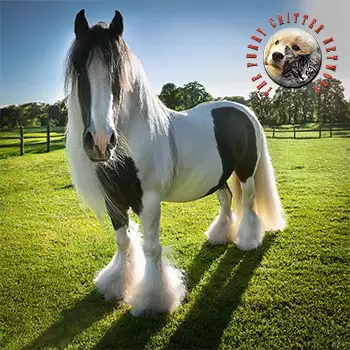

The Gypsy Vanner possesses a curious, people-oriented temperament that translates into a playful but measured approach to enrichment. Unlike high-strung breeds that may become destructive when bored, the Vanner's typical response to understimulation is more subdued — weight shifting, cribbing, weaving, or simply standing with a disengaged expression. These stereotypic behaviors develop gradually and can become deeply ingrained habits, which makes proactive enrichment far more effective than reactive intervention.
This breed's intelligence and willingness to engage with humans make them excellent candidates for interactive enrichment that involves problem-solving and handler participation. Gypsy Vanners tend to approach novel objects with curiosity rather than fear, which means new toys and environmental changes are generally accepted without the prolonged desensitization that more reactive breeds may require. This openness works in your favor when introducing enrichment items, as the horse is likely to investigate and engage rather than avoid.
Physical play tendencies in the Gypsy Vanner lean toward pushing, lipping, and manipulating objects rather than the explosive running and bucking seen in hotter breeds. Toys that reward nudging or rolling are particularly well-suited to this play style. The breed's strong neck and broad chest make them natural candidates for push-style toys and hanging objects that can be bumped and swung without risk of injury.
Enrichment needs increase significantly during periods of stall confinement, whether due to weather, injury recovery, or management decisions. A Vanner that spends twelve or more hours per day in a stall without mental stimulation is far more likely to develop unwanted behaviors than one provided with even basic enrichment tools. The investment in a few well-chosen toys pays for itself many times over in reduced veterinary costs from stress-related conditions and preserved stall and fence infrastructure.