
Nutritional Needs

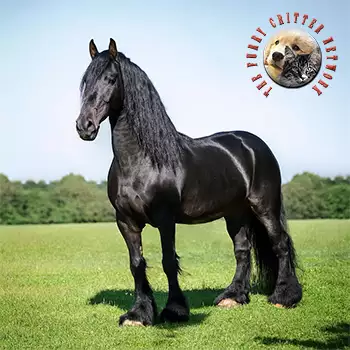
Friesians are a draft-type breed with a compact, muscular build and a famously thick mane, tail, and feathering. That combination of heavy bone structure and abundant hair growth places specific demands on their diet. They need a carefully balanced intake of energy, protein, vitamins, and minerals to maintain condition without tipping into obesity, which this breed is particularly prone to when overfed on rich concentrates.

Because Friesians were historically bred in the relatively nutrient-poor pastures of the Netherlands, their metabolisms are efficient — sometimes too efficient for modern feeding practices. They tend to gain weight easily on the same rations that keep lighter breeds lean. This means calorie-dense feeds should be used sparingly, and the bulk of the diet should come from quality forage rather than grain-heavy concentrates.

Friesians also have a documented susceptibility to certain metabolic conditions, including equine metabolic syndrome. This predisposition makes it especially important to monitor sugar and starch intake. Feeds with a low glycemic profile, built around fiber and fat rather than simple carbohydrates, are generally the safest foundation for this breed.

Finally, the Friesian's signature coat, mane, and feathering require adequate levels of biotin, zinc, and omega fatty acids. A diet that falls short on these micronutrients often shows up first in dull coat quality, brittle hooves, or thinning feathering — all of which can be corrected through targeted nutritional support.

What to Look For in Feed

When evaluating commercial feeds for a Friesian, the ingredient list matters more than the marketing on the bag. Look for feeds where structural fiber sources — beet pulp, soy hulls, or alfalfa meal — appear near the top of the list rather than corn, oats, or molasses. High-fiber, low-starch formulations help maintain steady energy levels without the sugar spikes that can contribute to metabolic issues.

Protein content should sit in the range of ten to fourteen percent for most adult Friesians in moderate work. Growing foals, lactating mares, and horses in heavy training may need slightly higher protein, but excess protein simply gets excreted and can stress the kidneys over time. Quality of protein matters as much as quantity — look for feeds that include amino acid profiles with adequate lysine and methionine, both critical for muscle and coat health.

Fat content is another useful lever for Friesians that need additional calories without additional starch. Feeds supplemented with stabilized rice bran, flaxseed, or vegetable oil can safely boost caloric density. Fat provides roughly two and a half times the energy of an equivalent weight of carbohydrates, making it an efficient way to support condition in working Friesians without increasing meal volume.

Avoid feeds with excessive added sugars or molasses listed in the first few ingredients. While palatability is important, sugar-laden feeds are a poor fit for a breed already at elevated metabolic risk. Also be cautious with feeds marketed as "performance" or "high-energy" blends — these are typically designed for Thoroughbreds or sport horses with much higher caloric burn rates than the average Friesian.

Forage & Hay Selection

Forage should form the backbone of any Friesian's diet, accounting for at least one and a half to two percent of body weight per day in dry matter. For a typical Friesian weighing between 1,300 and 1,500 pounds, that translates to roughly twenty to thirty pounds of hay daily. This baseline keeps the hindgut microbiome healthy, supports dental wear, and provides the slow-release energy that suits the Friesian metabolism.

Grass hays — timothy, orchard grass, and bermuda — are generally the best choices for Friesians. They provide adequate nutrition without the caloric density of legume hays. Alfalfa can be used in moderation as a protein and calcium supplement, particularly for growing horses or lactating mares, but feeding it as the sole forage source often leads to weight gain and excessive protein intake in adult Friesians at maintenance or light work.

Hay quality is not just about species — it is about harvest timing and storage. Early-cut hay tends to be lower in lignin and higher in digestible fiber, making it more nutritious. Hay that has been rained on, stored improperly, or allowed to mold can introduce respiratory irritants and mycotoxins. Friesians are already predisposed to certain respiratory sensitivities, so dusty or moldy hay should be rejected outright.

For owners with access to pasture, rotational grazing helps manage intake and prevents the overconsumption of lush spring grass, which can be dangerously high in fructans. Grazing muzzles are a practical tool for Friesians that need turnout time but cannot be trusted to self-regulate on rich pasture.

Wet & Fresh Options

Beyond dry hay and concentrates, several fresh and moist feed options can round out a Friesian's diet. Soaked hay cubes or chopped forage products offer the same nutritional profile as long-stem hay but with reduced dust, making them a good alternative for Friesians with respiratory sensitivities or dental issues that make chewing long hay difficult.

Beet pulp, either shredded or pelleted and soaked before feeding, is one of the most versatile additions to a Friesian's diet. It is high in digestible fiber, low in sugar and starch, and provides a useful vehicle for mixing in supplements or medications. Soaking is important — dry beet pulp can expand significantly in the stomach and poses a mild choke risk, particularly for horses that bolt their feed.

Complete feed products designed for senior horses can also serve Friesians of any age that struggle to maintain weight on hay alone. These products are formulated to be fed as the sole diet if necessary, with balanced vitamin and mineral profiles. They are typically pelleted or extruded for easy chewing and can be moistened to a mash consistency for older horses or those recovering from dental work.

Fresh vegetables and fruits can be offered as occasional treats or appetite stimulants, but they should not constitute a meaningful portion of the diet. Carrots, apples, and watermelon rind are generally safe in small amounts. Avoid anything from the nightshade family, including tomatoes and potatoes, as well as anything with pits or seeds that could cause choking.

Treats & Supplements

Supplements for Friesians generally fall into a few key categories: hoof and coat support, joint maintenance, digestive health, and vitamin-mineral balancers. Given the breed's heavy feathering and thick mane, biotin supplements are popular and well-supported by research — most studies show measurable improvements in hoof wall quality at daily doses of twenty milligrams or higher, with coat benefits as a secondary effect.

Joint supplements containing glucosamine, chondroitin, and hyaluronic acid are worth considering for Friesians in regular work, particularly dressage and driving horses that place repetitive stress on hocks and stifles. The breed's heavier build means joints bear more load per square inch than in lighter breeds, making proactive joint support a reasonable investment even in younger horses.

Omega-3 fatty acid supplements derived from flaxseed or marine sources support coat quality, reduce inflammatory responses, and may benefit horses with skin sensitivities — a condition that occasionally affects the heavily feathered lower legs of Friesians. These supplements are most effective when fed consistently over a period of weeks rather than sporadically.

As for treats, commercial horse treats are fine in moderation, but many are surprisingly high in sugar. Homemade alternatives using oats, flaxseed, and grated carrot give owners more control over ingredients. Regardless of the treat type, portions should be small and infrequent — the goal is a training reward or bonding tool, not a caloric supplement.

Foods to Avoid

Several common foods and feed ingredients are either toxic or inadvisable for Friesians. Lawn clippings should never be offered — they ferment rapidly and can cause severe colic or laminitis. Similarly, any feed that has become moldy, damp, or infested with insects should be discarded rather than fed, as mycotoxins can cause liver damage and neurological symptoms.

Certain plants are outright toxic to horses and can be encountered in pasture or hay. Red maple leaves, black walnut shavings (sometimes mixed into bedding), yew, oleander, and bracken fern are among the most dangerous. Owners should walk pastures regularly and remove or fence off any toxic plants. Hay sourced from unfamiliar suppliers should be inspected for weed contamination before feeding.

High-sugar and high-starch feeds deserve particular caution with Friesians due to their metabolic tendencies. Sweet feeds, excessive grain, and treats loaded with molasses can contribute to insulin dysregulation, laminitis, and obesity. Even well-intentioned supplementation with corn oil or other calorie-dense additives should be introduced gradually and monitored for weight changes.

Human foods beyond the safe list of plain fruits and vegetables should be avoided entirely. Chocolate, caffeine, dairy products, and anything containing xylitol are all potentially harmful. Bread and baked goods, while not acutely toxic, offer no nutritional value and can disrupt hindgut fermentation if fed in quantity.

Feeding Schedule

Horses are trickle feeders by nature, designed to consume small amounts of forage almost continuously throughout the day. The Friesian's efficient metabolism makes this feeding pattern especially important — large, infrequent meals of concentrated feed can cause blood sugar spikes and increase the risk of digestive upset. Ideally, forage should be available for the majority of the day, with concentrates split into two or three smaller meals.

A typical feeding schedule for an adult Friesian in moderate work might include a morning hay ration, a midday concentrate meal, an afternoon hay top-up, and an evening concentrate meal with a final hay portion for overnight. Slow-feed hay nets can extend consumption time and prevent the boredom-related behaviors that develop when horses finish their hay quickly and stand idle for hours.

Water intake is an often-overlooked component of the feeding schedule. An average Friesian drinks between eight and twelve gallons of water per day, with higher consumption during hot weather or heavy work. Fresh, clean water should be available at all times, and intake should be monitored — a sudden drop in water consumption is often the first sign of illness or impending colic.

Seasonal adjustments are necessary. Winter feeding typically requires increased hay to fuel thermoregulation, while summer may call for electrolyte supplementation to replace minerals lost through sweat. Horses transitioning between pasture and stall-kept hay diets should be moved gradually over a period of one to two weeks to allow the gut microbiome to adapt without digestive disruption.

Always consult a qualified professional before making any health-related decisions. This content is provided for informational reference only and should not replace professional guidance specific to your animal.