
Nutritional Needs

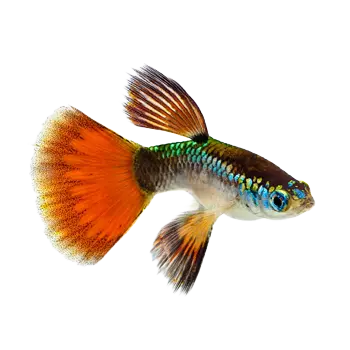
Guppies are omnivores with a surprisingly varied appetite given their small size. In the wild they feed on algae, small invertebrates, insect larvae, and plant matter, so their captive diet should reflect that balance between protein-rich animal sources and plant-based nutrition. A well-rounded diet is directly linked to coloration intensity, fin development, immune function, and reproductive health.

Protein should make up the core of a guppy's diet, particularly for juveniles that are still growing and for females carrying fry. Look for foods where whole fish meal, shrimp meal, or spirulina appears near the top of the ingredient list. Crude protein content in the range of 40 to 50 percent is ideal for younger guppies, while adults do well with protein levels closer to 35 to 45 percent.

Fats are essential for energy and for maintaining the glossy sheen that makes guppies such attractive aquarium fish. Omega-3 and omega-6 fatty acids support cellular health and help developing fry grow strong fins. However, excess fat in the diet can lead to obesity and liver problems, so moderation is key. A food with a crude fat content between 5 and 10 percent strikes the right balance.

Vitamins and minerals round out the nutritional picture. Vitamin C supports immune response and wound healing, while calcium and phosphorus contribute to skeletal development. Many high-quality fish foods include a vitamin premix, but supplementing with naturally vitamin-rich foods like blanched vegetables can help fill any gaps.

What to Look For

When evaluating guppy food products, the ingredient list tells you far more than the marketing on the packaging. Whole protein sources should appear first, and you want to avoid foods that lead with fillers such as wheat flour, soy meal, or corn starch. These bulk up the food cheaply but provide minimal nutritional value and can cloud your tank water faster than higher-quality alternatives.

Particle size matters more than many keepers realize. Guppies have small mouths, and standard-size flakes or pellets designed for larger tropical fish can be difficult for them to consume. Look for micro-pellets, small-grain formulations, or flakes that crumble easily between your fingers. If the food is too large, guppies will mouth it and spit it out repeatedly, and the uneaten remnants sink and degrade water quality.

Water clarity is another useful indicator of food quality. Foods with heavy binders and artificial dyes tend to leach color and particulate matter into the water column almost immediately. Better-formulated foods hold their structure long enough for guppies to eat them and release far less residue. If your tank water turns cloudy or takes on a yellow tint after feeding, the food itself may be the culprit.

Shelf life and packaging also deserve attention. Fish food degrades once exposed to air, moisture, and light. Vitamins break down, fats go rancid, and the overall nutritional profile diminishes over time. Choose containers with resealable lids and buy quantities you can use within two to three months of opening.

Recommended Dry Food

Flake food remains the most popular staple for guppies, and for good reason. Quality tropical flakes formulated for small community fish offer a convenient daily diet that delivers balanced nutrition without excessive waste. The best flakes are thin enough that guppies can bite off manageable pieces and contain a blend of fish meal, shrimp, algae, and a vitamin-mineral premix.

Micro-pellets are an increasingly popular alternative that many experienced keepers prefer over flakes. Because pellets are uniform in size and float or sink predictably, they make portion control easier and generate less dust in the water. Slow-sinking micro-pellets are particularly well-suited for guppies because the fish can feed at the surface, mid-water, and near the bottom as the pellets descend, mimicking more natural foraging behavior.

Granulated foods split the difference between flakes and pellets. They break apart more readily than pellets but hold together better than flakes, making them a good choice for mixed community tanks where guppies share space with other small species. Granules also tend to retain their nutritional content longer in the water before they begin to dissolve.

Regardless of which dry food format you choose, rotating between two or three quality products helps ensure your guppies receive a broader spectrum of nutrients over time. No single product is perfectly complete, and variety reduces the risk of long-term deficiencies that might not show symptoms for months.

Wet & Fresh Options

Frozen and freeze-dried foods are excellent supplemental choices that provide protein variety and stimulate natural feeding instincts. Frozen brine shrimp, daphnia, and bloodworms are among the most popular options and are widely available at aquarium retailers. Thaw small portions in a cup of tank water before feeding to avoid temperature shock and to prevent uneaten frozen chunks from fouling the water.

Live foods occupy a special place in guppy nutrition, particularly for conditioning breeding pairs or boosting the growth rate of fry. Live brine shrimp, micro-worms, and vinegar eels are all appropriate choices. The movement of live prey triggers a strong feeding response and encourages exercise as guppies chase their food through the water column. However, live foods carry a small risk of introducing parasites or pathogens, so sourcing from reputable suppliers or culturing your own at home is strongly recommended.

Blanched vegetables offer a plant-based supplement that many keepers overlook. Small pieces of zucchini, cucumber, shelled peas, or spinach can be briefly blanched to soften them, then clipped to the inside of the tank glass. Guppies will nibble at these throughout the day. Remove any uneaten portions after a few hours to prevent decomposition and water quality issues.

Gel-based foods represent a newer category that allows keepers to control exactly what goes into their fish's diet. These products come as powders that you mix with boiling water and allow to set. The resulting gel can be cut into appropriately sized portions and frozen for later use. Many gel food formulations include spirulina, garlic, and other ingredients that support immune health.

Treats & Supplements

Treats serve a dual purpose in guppy keeping: they add dietary variety and they make observation easier because fish tend to become more active and visible during treat feedings. Freeze-dried tubifex worms pressed into cubes that stick to the tank glass are a classic treat that encourages guppies to feed at a visible spot, making it easy to check on the health and condition of individual fish.

Color-enhancing supplements are popular among guppy enthusiasts who keep fancy strains prized for vivid pigmentation. These products typically contain astaxanthin, spirulina, or carotenoid-rich ingredients that intensify red, orange, and yellow hues over time. They work by providing the pigment precursors that guppies cannot synthesize on their own but can deposit into their scales and fins when the compounds are available in their diet.

Garlic-based supplements and foods infused with garlic extract have gained a following in the aquarium community for their reputed immune-boosting and anti-parasitic properties. While scientific evidence in fish is limited, many experienced keepers report that garlic-soaked foods can entice reluctant eaters and may provide some protective benefit against common external parasites. Garlic supplements are available as liquid additives that you soak into regular food before feeding.

Calcium and mineral supplements are worth considering if your water is particularly soft. Guppies originate from slightly hard, mineral-rich waters, and calcium plays a role in skeletal health and fry development. Mineral blocks designed for aquarium use dissolve slowly and can help maintain a baseline mineral content, though they should complement rather than replace proper water chemistry management.

Foods to Avoid

Bread, crackers, and other human grain products should never be offered to guppies. These foods expand in water, are nearly impossible for fish to digest properly, and rapidly degrade water quality. Even small amounts can cause bloating and intestinal blockage in a fish as small as a guppy. The same applies to rice, pasta, and cereal products.

Processed meats, cheese, and dairy products are entirely inappropriate for any fish species. These contain fats and proteins that fish cannot metabolize efficiently, and they introduce harmful bacteria and compounds into the aquarium environment. Fatty or oily foods of any kind that are not specifically formulated for aquarium use should be avoided.

Low-quality fish foods that rely heavily on fillers, artificial colors, and preservatives can cause long-term health problems even though guppies may eat them readily. Cheap flakes that turn your water orange or leave an oily film on the surface are doing more harm than good. The minor cost savings of bargain fish food is quickly offset by increased water changes, potential disease, and reduced fish vitality.

Overfeeding itself is one of the most dangerous dietary mistakes in guppy keeping. A guppy's stomach is roughly the size of its eye, and the fish should be able to consume everything offered within two to three minutes. Excess food sinks, decomposes, and spikes ammonia and nitrite levels. Many health problems attributed to disease are actually caused by chronic overfeeding and the resulting water quality collapse.

Feeding Schedule

Adult guppies do best with two small feedings per day, once in the morning and once in the evening. Each feeding should be just enough food that the fish consume it all within about two minutes. It is far better to underfeed slightly than to overfeed, as guppies are efficient foragers that will also graze on algae and biofilm between meals.

Juvenile guppies and fry have higher metabolic rates and benefit from more frequent feedings, three to four times daily in small amounts. Fry in particular need a steady supply of high-protein food to support their rapid growth during the first few weeks of life. Newly hatched brine shrimp, powdered fry food, and finely crushed flakes are all appropriate choices for very young fish.

One fasting day per week is a practice many experienced guppy keepers follow. Skipping food entirely for a single day gives the fish's digestive system a chance to clear completely and can help prevent the chronic bloating that sometimes develops in overfed fish. Fasting also gives you an opportunity to observe whether any fish appear lethargic or uninterested in food on the following day, which can be an early indicator of illness.

Automated feeders can be useful for maintaining a consistent schedule, especially during vacations or busy periods. However, they require careful calibration to avoid dispensing too much food per cycle. Test any automatic feeder for several days while you are home to confirm it delivers the correct portion size before relying on it during absences. Even the best automated feeder is no substitute for regular visual observation of your fish during meals.

Always consult a qualified professional before making any health-related decisions. This content is provided for informational reference only and should not replace professional guidance specific to your animal.