
Tank Size & Setup

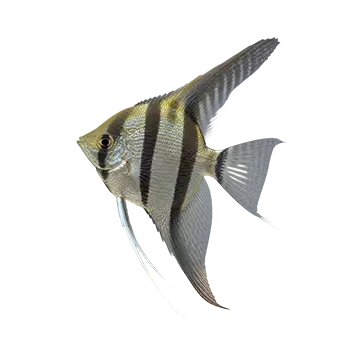
Angelfish are tall-bodied cichlids that require more vertical swimming space than many other freshwater species. A minimum tank size of 30 gallons is generally recommended for a single pair, but larger is always better. A 55-gallon tank provides a much more comfortable environment, especially if you plan to keep a small group or introduce tank mates. The height of the tank is particularly important — angelfish can reach six inches or more from dorsal fin tip to ventral fin tip, so tanks shorter than 18 inches can restrict their natural posture and movement.

When selecting a tank shape, prioritize height over length without neglecting horizontal swimming room. Standard rectangular tanks in the 55- to 75-gallon range strike the best balance for most angelfish setups. Bowfront tanks are another popular option, offering a slightly wider viewing angle and a modest increase in interior volume compared to flat-front models of the same footprint. Avoid novelty shapes such as hexagonal or cylindrical tanks, which often sacrifice usable swimming space despite their listed gallon capacity.

Placement of the tank within your home matters more than many new keepers realize. Angelfish are sensitive to sudden changes in light and temperature, so avoid positioning the aquarium in direct sunlight or near heating and cooling vents. A sturdy, level stand rated for the full weight of the filled tank is essential — water weighs roughly 8.3 pounds per gallon, so even a modest 55-gallon setup will approach 500 pounds when filled and decorated.

The initial setup process should include a full nitrogen cycle before any fish are introduced. This cycling period, which typically takes four to six weeks, establishes the beneficial bacteria colonies needed to convert ammonia and nitrite into less harmful nitrate. Rushing this step is one of the most common causes of early fish loss among new angelfish keepers. Test kits that measure ammonia, nitrite, and nitrate are indispensable during this phase.

Filtration & Water Flow

Filtration is the single most important piece of equipment in any angelfish aquarium. A filter should be rated for at least the full volume of your tank, and many experienced keepers recommend oversizing by 50 percent or more to ensure consistent water quality. Canister filters are widely regarded as the best option for angelfish tanks of 40 gallons and above, offering superior mechanical, chemical, and biological filtration in a single unit. Hang-on-back filters work well for smaller setups but may struggle to keep up with the bioload of a fully stocked community tank.

Angelfish inhabit slow-moving rivers and flooded forest environments in the wild, so they do not appreciate strong currents. A common mistake is pairing a powerful filter with a small tank, creating a flow rate that exhausts the fish and causes chronic stress. Look for filters with adjustable flow controls or use a spray bar attachment to diffuse the output across a wider area. The surface of the water should have gentle movement for gas exchange, but the lower and middle portions of the tank should remain relatively calm.

Biological filtration media deserves special attention in an angelfish setup. Ceramic rings, bio-balls, and sintered glass media provide enormous surface area for the beneficial bacteria that process ammonia and nitrite. These media should never be replaced all at once — doing so can crash the nitrogen cycle and create a dangerous ammonia spike. When cleaning biological media, rinse it gently in a bucket of old tank water rather than tap water, which contains chlorine or chloramine that kills beneficial bacteria on contact.

Sponge filters serve as an excellent secondary or supplemental filtration option, particularly in breeding tanks. They provide gentle water movement and robust biological filtration without creating the suction hazard that can trap angelfish fry. Many breeders run a sponge filter alongside a canister or hang-on-back filter to add redundancy and ensure continuous biological filtration if the primary unit needs maintenance.

Substrate & Aquascaping

The choice of substrate influences both the aesthetics and the biological health of an angelfish aquarium. Fine gravel or sand in natural tones is the most popular choice, as it mimics the silty riverbeds of the angelfish's native habitat and provides a neutral backdrop that showcases the fish's markings. Dark substrates tend to bring out richer coloration in angelfish, as the fish naturally darken their pigmentation to match their surroundings. Avoid sharp-edged gravel or crusite substrates that could injure the delicate ventral fins as the fish glide near the bottom.

Live plants are highly recommended for angelfish tanks. Broad-leafed species such as Amazon swords, Anubias, and Java fern provide natural shelter, reduce stress, and serve as potential spawning sites. Angelfish lay their eggs on flat vertical surfaces, and the broad leaves of these plants are ideal for this purpose. Tall stem plants like Vallisneria and Hygrophila can be used to fill the middle and upper water column, creating a layered environment that gives the fish multiple zones to explore and claim.

Driftwood and rock formations add visual interest and create natural territorial boundaries that help reduce aggression in group settings. Malaysian driftwood and Mopani wood are popular choices because they release tannins that slightly lower pH and tint the water a light amber color, conditions that closely replicate the blackwater environments angelfish evolved in. If you prefer crystal-clear water, pre-soaking driftwood for several weeks or using activated carbon in your filter will minimize tannin staining.

When designing the layout, leave open swimming lanes in the center and front of the tank while concentrating hardscape and planting along the sides and rear. Angelfish are active swimmers that need unobstructed space to move gracefully, and a cluttered tank can lead to fin damage and territorial conflicts. The goal is a balanced aquascape that provides shelter without sacrificing the open water angelfish need to thrive.

Lighting & Temperature

Angelfish do not have demanding lighting requirements, but the type and intensity of light you choose affects both the fish and any live plants in the tank. A moderate-intensity LED fixture on an eight- to ten-hour photoperiod works well for most setups. Full-spectrum LEDs that include warm and cool white channels produce the most natural-looking illumination and support healthy plant growth without encouraging excessive algae. Avoid leaving lights on for more than 12 hours per day, as extended photoperiods promote algae blooms and can stress the fish.

Temperature stability is far more important than hitting an exact number. Angelfish thrive in a range of 76 to 84 degrees Fahrenheit, with 78 to 82 degrees being the sweet spot for most community setups. A reliable submersible heater with a built-in thermostat is essential unless you live in a climate where room temperature consistently stays within this range. For tanks of 40 gallons or more, consider using two smaller heaters placed at opposite ends of the tank rather than one large unit — this provides more even heat distribution and offers a safety net if one heater fails.

Sudden temperature swings are one of the most common triggers for disease outbreaks in angelfish. A drop of even three to four degrees over a short period can suppress the immune system and open the door to infections like ich or bacterial fin rot. During water changes, always match the temperature of the new water to the tank water within one degree. In colder climates, a thermometer placed near the heater and another at the opposite end of the tank will help you verify that heat is distributed evenly.

Dimmable lighting fixtures and programmable timers add a useful layer of control. Gradually ramping lights up in the morning and down in the evening mimics a natural sunrise and sunset cycle, which reduces the startle response that can occur when lights switch on or off abruptly. Some advanced LED systems include moonlight modes that provide a faint blue glow during nighttime hours, allowing you to observe nocturnal behavior without disturbing the fish.

Water Chemistry

Angelfish are adaptable to a range of water conditions, but they perform best in soft to moderately hard water with a pH between 6.0 and 7.5. Wild-caught angelfish tend to prefer the lower end of this range, while captive-bred specimens are generally more tolerant of neutral to slightly alkaline conditions. Consistency matters more than precision — a stable pH of 7.2 is far better for your fish than a pH that fluctuates between 6.5 and 7.0 due to chemical additives.

General hardness (GH) and carbonate hardness (KH) are the two water chemistry parameters that new keepers most often overlook. Angelfish prefer a GH between 3 and 8 dGH and a KH between 3 and 8 dKH. The KH value is particularly important because it determines the buffering capacity of your water — that is, its ability to resist pH swings. Water with very low KH can experience sudden and dangerous pH crashes, especially in planted tanks where carbon dioxide levels fluctuate between day and night.

Regular water changes are the cornerstone of good water chemistry management. A weekly change of 20 to 30 percent of the tank volume removes accumulated nitrates, replenishes trace minerals, and dilutes dissolved organic compounds that testing kits do not measure. Use a quality water conditioner to neutralize chlorine and chloramine in tap water before adding it to the tank. If your municipal water supply has unusually high hardness or pH, consider blending it with reverse osmosis or distilled water to bring the parameters closer to the angelfish comfort zone.

Investing in a reliable liquid test kit rather than paper test strips will give you far more accurate readings of ammonia, nitrite, nitrate, pH, GH, and KH. Test weekly during stable periods and daily during cycling, after medication use, or following any changes to the tank population. Keeping a simple log of your test results over time helps you spot gradual trends that might otherwise go unnoticed until they become a problem.

Community Tank Considerations

Angelfish can coexist with a variety of tank mates, but their semi-aggressive temperament and predatory instincts toward very small fish require careful planning. As a general rule, avoid any species small enough to fit in an adult angelfish's mouth. Neon tetras and other nano fish are commonly listed as angelfish companions, but in practice they frequently become snacks once the angelfish reach maturity. Larger tetras such as rummy-nose, lemon, and black skirt tetras are much safer choices and create an attractive mid-water schooling contrast.

Bottom-dwelling species make excellent angelfish companions because they occupy a different zone of the water column and rarely compete for territory. Corydoras catfish are a classic pairing — they are peaceful, stay near the substrate, and help keep the bottom of the tank clean. Bristlenose plecos are another strong option, as they remain relatively small and provide algae control without bothering the angelfish. Avoid large or aggressive pleco species that could become territorial as they mature.

Keeping multiple angelfish together requires extra space and planning. In tanks under 55 gallons, a single pair is usually the safest option. In larger tanks of 75 gallons or more, a group of five or six juveniles can be raised together, allowing them to form natural pair bonds as they mature. Once pairs establish, unpaired individuals may be bullied and may need to be relocated. Providing ample line-of-sight breaks with plants, driftwood, and rock formations helps distribute aggression across the group.

Avoid housing angelfish with fin-nipping species such as tiger barbs, serpae tetras, or Buenos Aires tetras. The long, flowing fins of angelfish are irresistible targets for nippers, and the resulting stress and damage can lead to chronic health issues. Similarly, highly aggressive cichlids like convicts, Jack Dempseys, or mbuna should never share a tank with angelfish. The goal is a community where every species occupies its own niche without direct competition or harassment.

Always consult a qualified professional before making any health-related decisions. This content is provided for informational reference only and should not replace professional guidance specific to your animal.