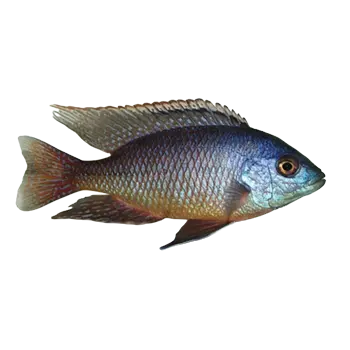

Haplochromis-type cichlids are among the most intelligent and behaviorally complex freshwater fish commonly kept in home aquariums. In the wild, they spend their days patrolling territories, hunting smaller fish and invertebrates, courting mates, and navigating complex social hierarchies. Captive environments that fail to provide adequate stimulation for these natural drives often produce fish that are stressed, overly aggressive, or behaviorally stunted.
Enrichment for Haps centers on creating an environment that encourages natural exploration, foraging, and social interaction rather than providing traditional toys in the way you might for a mammalian pet. The goal is to make the aquarium a dynamic, engaging space where fish have choices about where to go, what to investigate, and how to interact with their surroundings. A static, unchanging environment quickly becomes boring for these perceptive fish.
Signs of inadequate enrichment include repetitive glass surfing, excessive aggression toward tankmates, lethargy, loss of coloration, and refusal to eat. These behaviors are often misdiagnosed as illness when they are actually symptoms of environmental monotony. Before reaching for medications, evaluate whether the tank offers enough complexity and variety to meet the behavioral needs of its inhabitants.
The most effective enrichment strategies for Haps combine structural complexity, feeding variety, and periodic environmental changes to keep the fish mentally engaged over the long term. No single product or approach is sufficient on its own, and a thoughtful combination of different enrichment methods produces the healthiest, most vibrant, and most behaviorally interesting fish.