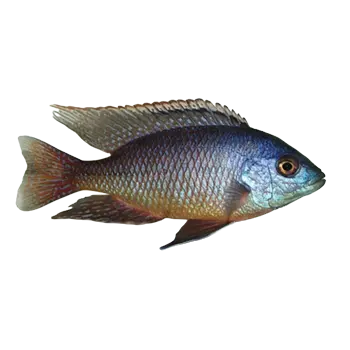

Nutritional Needs

Haplochromis-type African cichlids are predominantly omnivorous to carnivorous feeders, and their diet in captivity should reflect the protein-rich foods they consume in the wild. In Lake Malawi and other East African rift lakes, Haps feed on smaller fish, invertebrates, insect larvae, and zooplankton. This predatory background means they thrive on diets with a higher protein content compared to their Mbuna relatives, who lean more heavily on vegetable matter.

A well-rounded diet for Haps should contain between 40 and 50 percent crude protein, with moderate fat content in the range of 6 to 10 percent. Unlike herbivorous cichlids that require high-fiber, spirulina-heavy formulas, Haps do best with animal-protein-forward foods that include fish meal, krill, shrimp, and similar aquatic protein sources. Excess plant filler or grain-based binders can cause digestive issues and should be minimized.

Color enhancement is another important nutritional consideration for Hap keepers. Many Haplochromis species display spectacular blues, reds, and yellows, and these pigments depend heavily on dietary carotenoids. Foods enriched with astaxanthin, spirulina, and natural color-enhancing ingredients help maintain vibrant coloration without relying on artificial dyes. A diet lacking in these compounds will produce noticeably duller fish over time.

Vitamins and minerals also play a critical role in long-term health. Vitamin C supports immune function and wound healing, while B vitamins contribute to metabolic processes and stress resistance. Calcium and phosphorus ratios matter for skeletal integrity, particularly in growing juveniles. Choosing foods that include a well-balanced vitamin and mineral premix ensures that these nutritional bases are covered without the need for constant supplementation.

What to Look For

When evaluating food products for Haps, the ingredient list tells you almost everything you need to know. The first two or three ingredients should be whole fish meal, krill meal, shrimp meal, or another identifiable aquatic protein. Avoid products where wheat flour, soy meal, or corn gluten appear as the primary ingredients, as these are cheap fillers that provide little nutritional value for a carnivorous cichlid.

Pellet size matters more than many keepers realize. Haps range considerably in adult size depending on the species, from four-inch Copadichromis to ten-inch Nimbochromis. Choosing a pellet size appropriate to the fish's mouth and body size improves feeding efficiency and reduces waste. Pellets that are too small get ignored by larger specimens, while oversized pellets can cause choking or excessive surface mess.

Sinking versus floating formulas come down to your specific setup and the behavior of your fish. Most Haps are mid-water to surface feeders and will readily accept floating pellets, but sinking pellets can be advantageous in heavily stocked tanks where dominant fish monopolize surface feeding. Having both options on hand allows you to ensure that subordinate fish in the lower water column also receive adequate nutrition.

Shelf stability and packaging quality are easy to overlook but genuinely affect the product you are feeding. Foods stored in resealable, opaque containers retain their vitamin content and freshness far longer than those in clear bags or poorly sealed packaging. Once opened, most fish foods begin to degrade within about three months, so purchasing appropriately sized containers for your tank population helps avoid feeding stale or nutrient-depleted food.

Recommended Dry Food Types

High-protein cichlid pellets formulated for carnivorous or omnivorous species are the staple foundation for any Hap diet. These pellets are designed to deliver the protein and fat ratios that active predatory cichlids require, and the best formulas use whole fish or crustacean meal as the primary ingredient. Look for products specifically labeled for African cichlids or large-bodied cichlids rather than generic tropical fish food.

Cichlid-specific flake foods can serve as a supplementary option, particularly for juvenile Haps that are still too small for pellets. Flakes disperse more broadly across the water surface, giving smaller or less dominant fish a better chance at feeding. However, flakes break down faster and contribute more to water pollution than pellets, so they should not be the sole diet for adult specimens.

Freeze-dried foods occupy a useful middle ground between dry staples and frozen options. Freeze-dried krill, bloodworms, and brine shrimp retain much of their original nutritional profile while offering the convenience and shelf life of dry food. These make excellent supplementary feedings two to three times per week and help add variety to the diet without the mess or bacterial risk associated with live foods.

Granular or micro-pellet formulas are particularly useful for Hap fry and juveniles in grow-out tanks. These tiny particles deliver concentrated nutrition in a size that young fish can consume efficiently, promoting rapid and healthy growth during the critical first months of life. Transitioning gradually from micro-pellets to standard-sized pellets as the fish grow ensures consistent nutrition at every life stage.

Frozen & Live Food Options

Frozen foods are one of the most effective ways to replicate the natural diet of Haplochromis cichlids. Frozen mysis shrimp, brine shrimp, krill, and bloodworms provide high-quality animal protein in a form that closely mimics the invertebrates and small organisms Haps hunt in the wild. These foods are flash-frozen to preserve nutritional content and are generally safer than live alternatives because the freezing process eliminates most parasites and pathogens.

Live foods can be offered as an occasional enrichment but require careful sourcing. Live brine shrimp, blackworms, and daphnia stimulate natural hunting behavior and provide excellent nutrition, but they also carry a risk of introducing diseases or parasites into the aquarium. Culturing your own live foods at home is the safest approach if you want to include live feeding in your routine, as it eliminates the uncertainty of pet store supply chains.

Whole silversides or small feeder-sized pieces of raw fish can be offered to larger Hap species as a protein-rich treat. These should be used sparingly and sourced from clean, human-grade suppliers. Avoid using feeder fish from pet stores, as these are often kept in poor conditions and frequently carry parasites, bacteria, and diseases that can devastate a cichlid tank. The nutritional value of most common feeder fish is also quite poor compared to purpose-formulated foods.

When incorporating frozen or live foods into the feeding routine, moderation is key. These should complement the staple pellet diet rather than replace it. A good schedule might include frozen food feedings two to three times per week, with pellets forming the basis of daily nutrition. This approach provides dietary variety and enrichment while maintaining the balanced nutritional profile that a pellet-based diet offers.

Treats & Supplements

Occasional treats add variety and can address specific nutritional gaps in a Hap's diet. Freeze-dried or frozen daphnia makes an excellent digestive treat, as its high fiber content helps move food through the gut and can alleviate mild bloating issues. Offering daphnia once a week is a simple preventive measure that many experienced cichlid keepers swear by.

Color-enhancing supplements are worth considering for Hap keepers who want to bring out the full genetic potential of their fish's coloration. These supplements typically contain concentrated carotenoids such as astaxanthin and canthaxanthin, which are deposited in the skin and fins to intensify reds, oranges, and yellows. While many quality staple foods already include some color-enhancing ingredients, a dedicated supplement can make a noticeable difference in show-quality specimens.

Vitamin supplements designed for aquarium fish can be added to food or directly to the water column to support immune health, particularly during stressful periods such as after a tank move, following the introduction of new fish, or during breeding. Liquid vitamin preparations that can be soaked into pellets before feeding are the most efficient delivery method, as they ensure the fish actually consume the supplement rather than having it dilute into the water.

Garlic-based supplements have gained popularity in the cichlid-keeping community for their appetite-stimulating and potential anti-parasitic properties. Soaking pellets in a garlic extract solution before feeding can encourage reluctant eaters and may help bolster natural resistance to common parasites. While scientific evidence for garlic's antiparasitic effects in fish is limited, the appetite stimulation benefit is well documented and particularly useful for new arrivals or recovering fish.

Foods to Avoid

Mammalian protein sources such as beef heart, liver, and other land-animal meats should be avoided entirely for Haps. While these were once commonly recommended in older aquarium literature, fish lack the enzymes to efficiently process mammalian fats, which can lead to fatty liver disease and internal organ damage over time. The saturated fat content of these foods is fundamentally incompatible with the digestive systems of African cichlids.

Feeder goldfish and other live feeder fish from retail sources pose severe risks to Hap health. These fish are almost universally kept in overcrowded, disease-ridden conditions and are common vectors for ich, columnaris, internal parasites, and a host of other pathogens. Beyond the disease risk, feeder goldfish contain high levels of thiaminase, an enzyme that destroys vitamin B1 and can lead to serious nutritional deficiencies with repeated feeding.

Foods with excessive plant filler or spirulina-heavy formulas designed for herbivorous Mbuna cichlids are a poor match for Haps. While small amounts of plant matter are fine in an omnivorous diet, feeding a Hap a vegetable-based staple food long term will result in nutritional deficiencies, poor growth, and lackluster coloration. Always verify that a cichlid food is formulated for carnivorous or omnivorous species rather than herbivorous ones.

Bread, crackers, cereal, and other human food scraps have no place in a cichlid's diet. These processed foods expand in the gut, offer virtually no nutritional value, and break down rapidly in water, causing dangerous spikes in ammonia and nitrate levels. Even small amounts introduced casually can trigger water quality problems that stress the entire tank population.

Feeding Schedule

Adult Haps do well on one to two feedings per day, with each feeding consisting of only as much food as the fish can consume within two to three minutes. Overfeeding is one of the most common mistakes in cichlid keeping and leads directly to water quality problems, obesity, and increased aggression. A disciplined feeding schedule is far more beneficial than generous portions.

Juvenile Haps have higher metabolic rates and benefit from three to four smaller feedings spread throughout the day. Frequent small meals support rapid growth during the first six to twelve months without overwhelming the filtration system. As the fish approach adult size, gradually reducing the feeding frequency to twice daily and then once daily helps them transition to a sustainable long-term routine.

Incorporating a fasting day once per week is a widely recommended practice among experienced cichlid keepers. A 24-hour fast gives the digestive system time to fully process and clear, reducing the risk of bloat and intestinal blockages. Most healthy adult Haps tolerate fasting days without any stress, and many keepers report improved appetite and feeding response the day after a fast.

Feeding time also provides an opportunity to observe your fish for signs of illness or behavioral changes. Healthy Haps are enthusiastic, competitive feeders, so a fish that suddenly refuses food or feeds listlessly may be experiencing stress, illness, or bullying from tankmates. Using feeding time as a daily health check helps you catch problems early, before they escalate into serious issues that require intervention.

Always consult a qualified professional before making any health-related decisions. This content is provided for informational reference only and should not replace professional guidance specific to your animal.