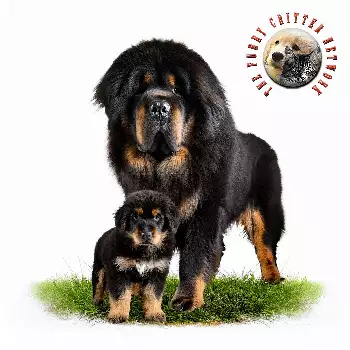

The Tibetan Mastiff is a giant breed with a surprisingly moderate metabolism compared to other large dogs. Despite their imposing size, they tend to self-regulate their food intake and often eat less than owners expect. Their nutritional requirements center on high-quality protein sources to maintain lean muscle mass, balanced fats to support their dense double coat, and carefully managed calorie intake to prevent obesity, which is a serious risk for any giant breed's joints and cardiovascular system.
Puppies and adolescents require a controlled growth diet that avoids rapid weight gain. Giant breeds are particularly susceptible to developmental orthopedic diseases when they grow too quickly, so a food formulated specifically for large or giant breed puppies is essential during the first eighteen to twenty-four months. These formulas typically offer a lower calorie density and a carefully balanced calcium-to-phosphorus ratio to promote steady, even skeletal development.
Adult Tibetan Mastiffs generally do well on a diet that provides around 22 to 26 percent protein and 12 to 16 percent fat. Because this breed originated in the high-altitude Tibetan Plateau, they evolved to thrive on relatively modest rations. Overfeeding is far more common than underfeeding, and maintaining a lean body condition is one of the most important things an owner can do for long-term joint and organ health.
Senior Tibetan Mastiffs benefit from a diet that shifts toward joint-supportive nutrients, slightly reduced fat content, and easily digestible protein sources. Many owners introduce glucosamine and chondroitin through their food or as separate supplements once their dog reaches age six or seven, as the cumulative stress on joints from carrying a large frame over many years begins to show.