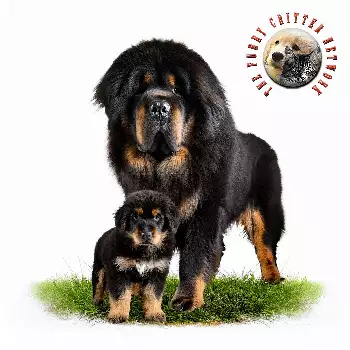

The Tibetan Mastiff is not a breed that lives to play fetch or chase balls for hours. Their play style reflects their heritage as independent guardian dogs — they tend to engage in short, purposeful bursts of activity interspersed with long periods of calm observation. Understanding this temperament is key to choosing toys that actually get used rather than ignored. Many owners new to the breed make the mistake of buying high-energy toys designed for sporting breeds and are surprised when their Tibetan Mastiff shows little interest.
What this breed does enjoy is investigation, problem-solving, and tactile engagement. They are curious dogs that like to explore objects with their mouths and paws, figure out how things work, and manipulate items at their own pace. Toys that reward patience and persistence — rather than speed and repetition — align with the Tibetan Mastiff's natural approach to the world.
Guarding behavior often extends to toys. Many Tibetan Mastiffs will claim a favorite toy and carry it to their resting spot rather than bringing it back for interactive play. This is normal breed behavior, not a training failure. Providing a few high-value items that the dog can possess and manage on their own terms satisfies a deep instinctual need and can actually reduce anxiety in some dogs.
Puppies and adolescents are more playful than adults and will engage with a wider variety of toys. This is the ideal window to introduce puzzle toys, tug items, and interactive games that build the dog's confidence and strengthen the bond with their owner. As the dog matures, play sessions typically become shorter and more selective, and that shift should be respected rather than forced.