
Space Requirements

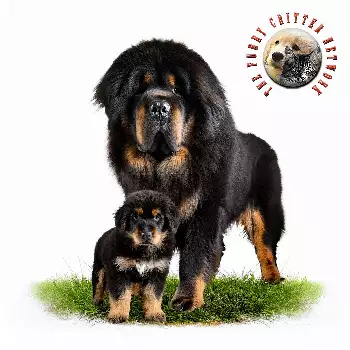
Tibetan Mastiffs are not apartment dogs. Their sheer physical size — often exceeding 100 pounds with a broad, powerful build — demands a living space that can accommodate their frame comfortably. Beyond square footage, this breed has a deep-rooted instinct to patrol and guard territory, which means they thrive in homes with access to a securely fenced yard where they can move freely and fulfill their natural guardian behavior.

Indoor space should allow the dog to stretch out fully, turn around without bumping into furniture, and access different rooms to find a comfortable resting spot. Tibetan Mastiffs tend to move from room to room throughout the day, seeking cooler floors in warm weather and positioning themselves near entry points where they can monitor household activity. Planning your home layout with wide walkways and a few designated resting areas will make life more comfortable for both dog and owner.

Yard size matters, but fencing quality matters more. A Tibetan Mastiff's territorial nature means they will patrol the perimeter of whatever space they have access to. Fencing should be at least six feet tall and solidly constructed, as this breed is both strong enough to push through weak panels and motivated enough to test boundaries, especially at night when their guarding instincts are most active. Underground or invisible fences are generally not recommended, as many Tibetan Mastiffs will push through the discomfort if they perceive a threat on the other side.

For owners in rural settings, the Tibetan Mastiff's heritage as a livestock guardian means they can adapt well to larger properties, but they still need a defined boundary. Allowing them to roam freely without containment can lead to territorial disputes with wildlife, neighboring dogs, or even people passing through the area. A well-fenced acre or more is ideal for this breed.

Crates & Kennels

Crate training a Tibetan Mastiff requires the largest commercially available crates, typically rated for giant breeds and measuring at least 54 inches in length. The dog should be able to stand without crouching, turn around fully, and lie down with legs extended. Wire crates offer good ventilation and visibility, which suits this breed's desire to observe their surroundings. Heavy-duty models with reinforced latches are recommended, as standard crates may not withstand the strength of a determined adult Tibetan Mastiff.

Many Tibetan Mastiffs resist crate confinement as adults due to their independent, guardian-oriented temperament. They are not a breed that naturally takes to being enclosed, and forcing prolonged crate time on an adult dog can lead to anxiety and destructive behavior. For most owners, the crate serves its greatest purpose during puppyhood for housebreaking and safety, then transitions into an optional den space with the door left open as the dog matures.

Heavy-duty aluminum or steel kennels designed for strong breeds offer a more robust alternative to standard wire crates. These are particularly useful for travel, veterinary visits, or situations where secure containment is necessary. They are significantly more expensive but are virtually escape-proof and built to handle the force that a large, powerful dog can exert.

Placement of the crate or kennel within the home matters. Tibetan Mastiffs prefer to rest in areas where they can observe entry points and family activity. Placing the crate in a quiet corner of a main living area, away from direct sunlight and heating vents, gives the dog both security and the ability to fulfill their instinct to watch over their household.

Beds & Sleeping Areas

Orthopedic beds are essential for Tibetan Mastiffs. The combination of their heavy body weight and predisposition to joint issues means that a quality supportive bed is not a luxury but a health investment. Look for beds with high-density memory foam or layered foam construction that will not compress flat under sustained weight. Beds marketed for giant breeds should be tested against weight ratings — many "large" dog beds are designed for 60- to 80-pound dogs and will bottom out under a full-grown Tibetan Mastiff.

Elevated or cot-style beds are another excellent option, especially in warmer climates or during summer months. These beds allow air to circulate beneath the dog, helping to regulate body temperature for a breed that evolved in cold mountain climates and can struggle with heat. Many Tibetan Mastiffs naturally gravitate toward cool tile or hardwood floors in warm weather, and an elevated bed provides a comfortable alternative that keeps them off the hard surface while still allowing airflow.

Durability and washability are practical concerns for any giant breed bed. Look for removable, machine-washable covers made from heavy-duty fabric that can withstand regular laundering. Tibetan Mastiffs shed heavily, especially during their annual coat blow, and a bed that traps hair and resists cleaning will quickly become unhygienic. Water-resistant liners beneath the cover add an extra layer of protection for the foam core.

Many Tibetan Mastiffs prefer to choose their own sleeping spots rather than being directed to a single bed. Providing two or three resting options in different areas of the home — a bed near the family's main living space, one in a quieter room, and perhaps an outdoor resting pad — allows the dog to rotate based on temperature, time of day, and their own preference for proximity to the household.

Outdoor Enclosures

Outdoor enclosures and runs can be a valuable addition for Tibetan Mastiff owners, particularly for providing secure outdoor access when direct supervision is not possible. A well-designed run should be large enough for the dog to trot, turn, and stretch — a minimum of six feet wide by twelve feet long for temporary use, though larger is always better. Chain-link panels at least six feet tall with a top rail or partial roof cover are standard, and concrete or gravel flooring prevents digging out.

Shade and shelter within the enclosure are non-negotiable. Even though Tibetan Mastiffs are cold-weather dogs with a thick double coat, they still need protection from sun, rain, and wind in their outdoor space. A solid-roofed shelter or insulated doghouse positioned within the enclosure gives the dog a retreat, while shade cloth or trees along one side can help moderate temperatures during the warmer months.

Tibetan Mastiffs are nocturnal by nature, with their guarding instincts peaking after dark. If your dog will spend evenings outdoors, the enclosure must be escape-proof and sturdy enough to contain a dog that becomes highly alert and vocal at night. Neighbors should also be considered — this breed's deep, booming bark carries considerable distance, and nighttime barking at perceived threats is one of the most common challenges reported by Tibetan Mastiff owners.

The outdoor enclosure should complement, not replace, indoor living. Tibetan Mastiffs bond deeply with their families despite their independent streak, and isolating them outdoors full-time can lead to behavioral issues including excessive barking, destructive digging, and heightened aggression toward strangers. The enclosure works best as a supervised outdoor option during the day with the dog spending nights and extended periods inside with the family.

Climate Considerations

The Tibetan Mastiff's dense double coat is engineered for extreme cold. This breed originated in the Himalayan high plateau, where temperatures routinely drop well below freezing, and their coat provides exceptional insulation against cold, wind, and snow. In cold climates, the Tibetan Mastiff requires minimal accommodation beyond a dry, draft-free shelter and access to unfrozen water. They genuinely enjoy cold weather and will often choose to rest outdoors in snow rather than come inside.

Heat is the far greater concern. In warm or humid climates, Tibetan Mastiffs are at elevated risk for heatstroke and heat-related distress. Air conditioning is a must for indoor spaces, and outdoor time should be limited to early morning and evening during summer months. Providing cooling mats, wading pools, and shaded rest areas can help, but no product fully compensates for the mismatch between this breed's coat and a hot climate. Owners in consistently warm regions should seriously evaluate whether a Tibetan Mastiff is an appropriate choice.

During seasonal coat changes, the Tibetan Mastiff undergoes a dramatic shed — sometimes called "blowing coat" — where the dense undercoat comes out in large clumps over several weeks. This process is triggered by changes in daylight and temperature and is more pronounced in dogs that spend significant time outdoors. Housing areas should be easy to clean during this period, and investing in washable covers for beds and furniture will save significant effort.

Insulated doghouses are a good investment even in moderate climates, as they provide a temperature-stable retreat that the dog can use year-round. In winter, insulation retains body heat; in summer, it buffers against exterior warmth. Choose a design with a raised floor to prevent ground moisture from seeping in, and size it so the dog can enter and turn around comfortably but not so large that body heat dissipates without warming the space.

Multi-Pet Households

Introducing a Tibetan Mastiff into a multi-pet household requires careful planning and realistic expectations. This breed has strong territorial and guarding instincts that can manifest as resource guarding, space guarding, or outright dominance behavior toward other animals. Successful cohabitation is possible, especially when the Tibetan Mastiff is raised alongside other pets from puppyhood, but it depends heavily on individual temperament, socialization history, and management.

Separate feeding stations are essential in any multi-pet household that includes a Tibetan Mastiff. Resource guarding around food is common in guardian breeds, and feeding dogs in separate rooms or at different times eliminates a major source of potential conflict. Similarly, high-value items like chews, bones, and favorite toys should be offered only under supervision or in separated spaces to prevent possessive behavior.

Sleeping arrangements should provide each dog with their own designated space that they can retreat to without conflict. Tibetan Mastiffs generally prefer their own territory and may become tense if another dog encroaches on their resting area. Providing clearly separated beds or crate spaces in different parts of the home gives each animal a sense of security and reduces friction.

Smaller pets, including cats, require particular caution. While many Tibetan Mastiffs coexist peacefully with cats they were raised with, their size alone makes any rough interaction dangerous. Initial introductions should be controlled, gradual, and conducted with physical barriers like baby gates that allow visual contact without direct access. Never leave a Tibetan Mastiff unsupervised with small animals until you have sustained confidence in their behavior over many months of positive interaction.

Always consult a qualified professional before making any health-related decisions. This content is provided for informational reference only and should not replace professional guidance specific to your animal.