
Nutritional Needs

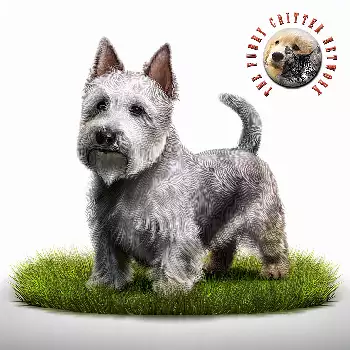
The Skye Terrier is a small-to-medium breed with a surprisingly sturdy frame hidden beneath that signature long, flowing coat. Their caloric requirements are moderate, typically ranging between 600 and 900 calories per day depending on age, activity level, and whether the dog has been spayed or neutered. Because of their relatively low center of gravity and elongated body structure, maintaining a healthy weight is especially important to reduce strain on the spine and joints.

Protein should form the cornerstone of the Skye Terrier's diet. As a breed originally developed for hunting and working in rugged terrain, they benefit from high-quality animal proteins that support lean muscle maintenance. Look for foods where a named animal protein appears as the first ingredient, and aim for a minimum of 25 percent protein content on a dry matter basis.

Healthy fats are equally critical for this breed, particularly omega-3 and omega-6 fatty acids. The Skye Terrier's luxurious double coat demands consistent nutritional support to remain glossy and free from dryness or breakage. A diet deficient in essential fatty acids will often show up first in coat quality, with dullness or excessive shedding being early warning signs.

Skye Terriers can be prone to certain orthopedic concerns, so diets that include glucosamine and chondroitin — either naturally through ingredients like cartilage-rich meats or as added supplements — are worth seeking out. Additionally, this breed sometimes develops sensitivities to grains or certain protein sources, so monitoring for signs of digestive upset or skin irritation when introducing new foods is always a smart practice.

What to Look For

When evaluating food options for a Skye Terrier, the ingredient list tells the most important story. The first several ingredients should be recognizable, whole-food sources — deboned chicken, lamb meal, salmon, or similar named proteins. Avoid foods that list vague terms like "meat by-products" or "animal digest" in prominent positions, as these give little assurance of quality or consistency.

Small-breed and medium-breed formulas are generally the best fit for Skye Terriers. These formulations typically feature smaller kibble sizes that are easier for the Skye's moderately sized jaw to manage, and they are calorie-dense enough to meet energy needs without requiring large portion sizes that could lead to overeating and weight gain.

Pay attention to the fat content and caloric density of any food you consider. Skye Terriers are not an especially high-energy breed in adulthood, and their elongated build makes them vulnerable to the consequences of excess weight. A food with moderate fat content — roughly 12 to 16 percent on a dry matter basis — typically strikes the right balance between palatability and calorie control.

Artificial preservatives, colors, and flavors have no place in a quality dog food. Look for foods preserved with natural alternatives like mixed tocopherols or rosemary extract. Similarly, excessive use of fillers such as corn gluten meal, wheat middlings, or soy can contribute to digestive issues and provide relatively little nutritional value for the calories they add.

Recommended Dry Food

Dry kibble remains the most practical everyday food choice for most Skye Terrier owners. It offers convenience, a long shelf life, and the mechanical benefit of helping to scrape plaque from teeth during chewing. For this breed, look for a small-to-medium breed adult formula with a named animal protein as the lead ingredient and a moderate calorie profile.

Grain-inclusive formulas that feature whole grains like brown rice, oatmeal, or barley are generally well-tolerated by Skye Terriers and provide steady energy without the blood sugar spikes that can come from highly processed carbohydrate sources. However, if your Skye shows signs of grain sensitivity — itching, ear infections, or loose stools — a limited-ingredient or grain-free option may be worth exploring with veterinary guidance.

For Skye Terrier puppies, a puppy-specific formula designed for small or medium breeds is essential during the first 12 to 14 months. These foods deliver the higher protein and fat ratios that growing puppies need, along with carefully balanced calcium and phosphorus levels that support proper skeletal development without encouraging overly rapid growth.

Senior Skye Terriers benefit from a formula that accounts for their slowing metabolism and potential joint concerns. Senior-specific dry foods typically reduce calorie density while increasing joint-support ingredients and fiber content to aid digestion. Transitioning to a senior formula around age eight or nine, or whenever your veterinarian recommends it, helps keep older dogs comfortable and well-nourished.

Wet & Fresh Options

Wet food can be a valuable addition to the Skye Terrier's diet, either as a complete meal or as a topper mixed into dry kibble. The higher moisture content in canned and fresh foods supports hydration — particularly helpful for dogs that are reluctant drinkers — and the richer aroma and texture can entice picky eaters, a trait that some Skye Terriers are known for.

When selecting wet food, apply the same ingredient standards you would for kibble. Named animal proteins should dominate the ingredient list, and the food should be free from artificial additives and excessive fillers. Check the guaranteed analysis for protein and fat percentages, keeping in mind that wet food labels reflect as-fed values with high water content, so the dry matter nutrient levels will be considerably higher than what the label initially suggests.

Fresh and refrigerated dog foods have gained popularity and can be excellent choices for Skye Terriers. These minimally processed options often feature whole-food ingredients cooked at lower temperatures, preserving more of the natural nutrient profile. The trade-off is shorter shelf life and higher cost, but many owners find the benefits in coat quality and digestive regularity worthwhile.

If using wet food as a topper or mixer, adjust the kibble portion accordingly to avoid overfeeding. A common approach is to replace about 25 percent of the daily kibble allotment with an equivalent calorie amount of wet food. This provides variety and palatability benefits without disrupting the overall nutritional balance of the diet.

Treats & Supplements

Treats are an important part of training and bonding with a Skye Terrier, but they should be chosen with the same care as the main diet. Soft, small training treats work well for this breed, especially during the patient, consistent training sessions that Skye Terriers respond best to. Keep treats to no more than ten percent of daily caloric intake to prevent weight creep.

Single-ingredient treats — such as freeze-dried liver, dehydrated sweet potato, or small pieces of dried fish — offer clean nutrition without unnecessary additives. These options are especially useful for Skye Terriers with food sensitivities, as they make it easy to control exactly what your dog is consuming. Dental chews designed for small-to-medium breeds can also serve double duty as treats and oral health tools.

Supplements can play a targeted role in supporting your Skye Terrier's health. Omega-3 fish oil supplements are among the most commonly recommended for this breed, as they promote coat health, reduce inflammation, and support joint function. If your Skye Terrier's regular food does not already include adequate joint-support ingredients, a glucosamine and chondroitin supplement may be beneficial, particularly as the dog ages.

Probiotic supplements can help Skye Terriers that experience occasional digestive irregularity. These beneficial bacteria support a healthy gut microbiome and can improve nutrient absorption. Always introduce supplements gradually and consult your veterinarian before adding anything new to your dog's regimen, especially if the dog is on medication or has an existing health condition.

Foods to Avoid

Certain human foods are toxic to all dogs, and Skye Terrier owners should be vigilant about keeping these out of reach. Chocolate, grapes, raisins, onions, garlic, xylitol (a common artificial sweetener), and macadamia nuts can all cause serious health emergencies ranging from gastrointestinal distress to organ failure. Given the Skye Terrier's relatively small size, even small amounts of these substances can have outsized effects.

Beyond the universally dangerous foods, Skye Terriers may have individual sensitivities that are worth monitoring. Some dogs in this breed develop reactions to common protein sources like chicken or beef, manifesting as itchy skin, chronic ear infections, or digestive issues. If you notice these symptoms, an elimination diet supervised by your veterinarian can help identify the offending ingredient.

High-fat table scraps and rich, greasy foods should be avoided entirely. Skye Terriers can be susceptible to pancreatitis, a painful inflammation of the pancreas that is often triggered by sudden intake of fatty foods. Even a well-meaning treat of bacon grease or a fatty meat trimming can set off an episode that requires veterinary intervention.

Cooked bones, particularly poultry bones, are another hazard. They can splinter into sharp fragments that pose choking risks or can puncture the digestive tract. If you want to offer your Skye Terrier a bone for chewing enrichment, opt for raw, size-appropriate options or commercially produced bone alternatives designed for safe consumption.

Feeding Schedule

Adult Skye Terriers do best on two meals per day, typically divided into morning and evening feedings. This twice-daily schedule helps maintain stable blood sugar levels, supports consistent energy throughout the day, and reduces the risk of bloat that can sometimes occur when dogs consume a single large meal. Portion sizes should be determined based on the specific food's caloric density and your dog's target weight.

Puppies require more frequent feeding to support their rapid growth and high energy demands. From weaning through about four months of age, three to four small meals per day is appropriate. Between four and eight months, this can be reduced to three meals, and by about ten to twelve months, most Skye Terrier puppies can transition to the standard two-meal adult schedule.

Consistency in feeding times matters for Skye Terriers. This breed thrives on routine, and a predictable schedule helps with house training, digestive regularity, and overall behavioral stability. Try to feed at approximately the same times each day, and allow your dog a calm period after eating before engaging in vigorous play or exercise.

Free-feeding — leaving food available at all times — is generally not recommended for Skye Terriers. Without measured portions and defined mealtimes, it becomes difficult to monitor how much your dog is actually eating, which can mask early signs of illness and contribute to gradual weight gain. Measured meals also make it much easier to adjust portions as your dog's needs change with age, activity level, or health status.

Always consult a qualified professional before making any health-related decisions. This content is provided for informational reference only and should not replace professional guidance specific to your animal.