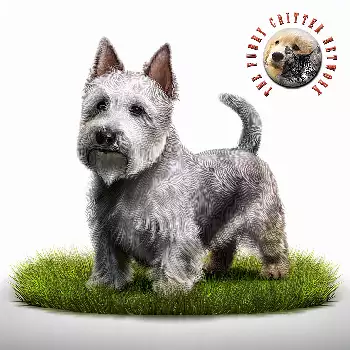

Play Style & Drive

The Skye Terrier's play style reflects its dual nature — a dignified companion with the heart of a working terrier. Unlike many terrier breeds that play with relentless, frenetic energy, the Skye tends to engage in more deliberate, purposeful play. They enjoy activities that tap into their natural instincts for hunting and problem-solving, but they are unlikely to sustain hours of nonstop activity the way a Jack Russell or Border Terrier might.

Prey drive is a defining trait of the Skye Terrier's play behavior. Toys that mimic the movement of small animals — squeaking, scurrying, or fluttering — tend to capture their attention immediately. This instinct can make play sessions intense and focused, which is worth understanding when selecting toys. Items that are too small or fragile may be quickly destroyed by a Skye Terrier that has locked onto its "quarry."

Skye Terriers are intelligent dogs that can become bored with repetitive, unchallenging toys. A toy that was fascinating on day one may be completely ignored by day three if it offers no novelty or problem-solving element. Rotating toys on a regular cycle — keeping some out of circulation and reintroducing them after a week or two — helps maintain interest and prevents the need to constantly purchase new items.

It is also worth noting that Skye Terriers often prefer to play with their owner rather than independently. While they can entertain themselves for short periods, interactive play that involves a human partner tends to be more engaging and satisfying for this breed. Building toy choices around activities you can share together strengthens the bond and provides more effective enrichment.

Interactive & Puzzle Toys

Puzzle toys are among the best enrichment investments for a Skye Terrier. These dogs have sharp minds and genuine problem-solving ability, making them excellent candidates for toys that require manipulation, strategy, or sequencing to release a hidden treat. Start with beginner-level puzzles and progress to more complex designs as your dog masters each one.

Treat-dispensing toys that require the dog to roll, nudge, or paw at the device to release kibble or small treats are a great entry point. These toys turn mealtime into an enrichment activity and can slow down fast eaters while providing mental stimulation. For Skye Terriers, choose dispensers that are sized appropriately for their moderate jaw — nothing so large that it is unwieldy or so small that it becomes a choking risk.

Multi-step puzzle boards with sliding covers, flip lids, and hidden compartments challenge the Skye Terrier's cognitive abilities and keep them engaged for extended periods. These toys are particularly useful on days when weather limits outdoor exercise, as a fifteen-minute puzzle session can be as mentally tiring as a moderate walk. Supervise initial sessions to ensure your dog does not become frustrated or resort to simply chewing the puzzle apart.

Snuffle mats — fabric mats with deep folds and pockets where treats can be hidden — tap into the Skye Terrier's natural foraging instincts. These low-tech enrichment tools encourage nose work and can provide a calming activity that satisfies the dog's need for mental engagement without overstimulating it. They are easy to wash and store, making them a practical addition to any Skye Terrier's toy collection.

Chew Toys & Durability

Skye Terriers are moderate chewers with surprisingly strong jaws for their size. Selecting chew toys with the right durability level is important — too soft and the toy will be shredded in minutes, creating a mess and a potential ingestion hazard; too hard and you risk dental damage. Medium-durability rubber toys and nylon chews designed for small-to-medium breeds generally hit the sweet spot.

Natural rubber toys with some give and flexibility are popular with Skye Terriers. These materials satisfy the chewing instinct without being so rigid that they crack teeth. Many rubber chew toys can be stuffed with treats or frozen with a filling of peanut butter or wet food, adding an extra layer of engagement that extends the chewing session and provides a rewarding experience.

Rope toys serve a dual purpose as both chew items and tug-of-war partners. The Skye Terrier's elongated body and low center of gravity actually give it a surprising advantage in tug games, which many dogs of this breed thoroughly enjoy. Choose ropes made from natural cotton or hemp fibers, and inspect them regularly for fraying — once a rope toy starts to unravel significantly, discard it to prevent the dog from swallowing long strands of fiber.

Always supervise chew sessions, especially with new toys, to gauge how your Skye Terrier interacts with the material. Some dogs are content to gnaw gently for extended periods, while others are aggressive destroyers. Matching the toy's durability to your individual dog's chewing intensity prevents waste and, more importantly, reduces the risk of the dog breaking off and ingesting dangerous fragments.

Fetch & Outdoor Toys

Fetch is a game that many Skye Terriers enjoy, though their enthusiasm for returning the object varies considerably from dog to dog. The breed's terrier instincts make them keen to chase, but the "retrieving" part of the equation sometimes requires extra training and encouragement. Small-to-medium-sized balls with good bounce and high visibility work well for fetch sessions in the yard or park.

Tennis-ball-sized rubber balls are a solid standard choice, but consider options specifically designed for dogs, as standard tennis balls can wear down tooth enamel over time with heavy use. Balls that squeak or contain a treat compartment add extra motivation for Skye Terriers that need a little more incentive to bring the ball back rather than running off to enjoy their prize in solitude.

Flirt poles — a long pole with a rope and lure attached to the end — are outstanding toys for Skye Terriers. The lure's erratic, prey-like movement triggers the breed's chase instinct, and the game provides excellent exercise in a compact space. A few minutes of flirt pole play can tire out a Skye Terrier more effectively than a long walk, making this a valuable tool for days when outdoor time is limited.

When playing outdoors, be mindful of the Skye Terrier's long coat and low body clearance. Rough terrain, burrs, and wet grass can all create coat maintenance challenges. Choosing flat, well-maintained play areas and keeping sessions moderate in duration helps balance the benefits of outdoor play with the practical realities of coat care.

Comfort & Companion Toys

Many Skye Terriers develop attachments to soft plush toys, carrying them around, sleeping with them, and guarding them with quiet possessiveness. If your Skye shows this tendency, providing one or two designated comfort toys can be a source of genuine emotional security. Choose plush toys with reinforced stitching and minimal small parts — button eyes and plastic noses should be avoided in favor of embroidered features.

For puppies, a comfort toy can ease the transition to a new home. Placing a soft toy in the crate during the first few nights provides something to snuggle against, which can reduce whining and anxiety. Some owners rub the toy against the mother dog or littermates before bringing the puppy home, transferring familiar scents that provide additional comfort during the adjustment period.

Heartbeat-simulating toys — plush animals with a small battery-operated pulse inside — are specifically designed for puppies and anxious dogs. The rhythmic vibration mimics the sensation of being near another living creature and can significantly calm a Skye Terrier during stressful situations like the first night alone, thunderstorms, or periods of owner absence.

While comfort toys are valuable, monitor their condition regularly. Skye Terriers that nurse or suckle on soft toys can weaken seams over time, and once a plush toy starts losing stuffing, it becomes a hazard. Replace worn comfort toys promptly, and if your dog is particularly attached to a specific toy, consider purchasing a backup so a seamless swap can be made when replacement becomes necessary.

DIY & Budget Options

Not every enrichment activity requires a purchased product. Some of the most engaging toys for Skye Terriers can be made from everyday household items at virtually no cost. A muffin tin with tennis balls placed over treats in each cup creates an instant puzzle toy. An old towel knotted into a rope makes a functional tug toy. A cardboard box filled with crumpled paper and hidden treats provides a satisfying foraging experience.

Frozen enrichment is another budget-friendly option that Skye Terriers tend to enjoy. Fill a silicone mold or small container with a mixture of low-sodium broth and small pieces of dog-safe fruits or vegetables, freeze it, and offer it as a licking and chewing activity. These frozen treats are especially welcome during warm weather and can keep a Skye Terrier occupied for a surprisingly long time.

Hide-and-seek games require no equipment at all and are excellent for Skye Terriers. Have someone hold the dog while you hide in another room, then call the dog to find you. This taps into the breed's natural tracking instincts and reinforces recall training simultaneously. As your dog improves, you can make hiding spots more challenging or hide treats around the house instead for a solo scent-work version.

When creating DIY toys, safety remains the top priority. Avoid materials that can splinter, unravel into long strings, or be swallowed in large pieces. Supervise your Skye Terrier with any homemade toy just as you would with a purchased one, and discard items once they show significant wear. The goal is to supplement — not replace — a core collection of well-made, durable toys with creative, low-cost enrichment options.

Always consult a qualified professional before making any health-related decisions. This content is provided for informational reference only and should not replace professional guidance specific to your animal.