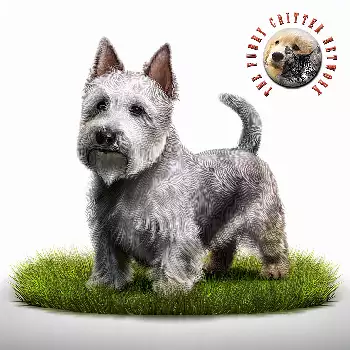

Space Requirements

Skye Terriers are adaptable dogs that can thrive in a variety of living situations, from apartments to houses with large yards. Their moderate size and relatively calm indoor demeanor make them well-suited for smaller spaces, provided they receive adequate daily exercise and mental stimulation. Unlike many terrier breeds that bounce off the walls indoors, the Skye tends to settle quietly near its owner once its exercise needs have been met.

That said, this breed does appreciate having defined personal space within the home. A quiet corner or a dedicated area where the dog can retreat when it wants solitude is important for the Skye Terrier's emotional well-being. These dogs form intensely close bonds with their owners but also value the option to observe from a comfortable distance when household activity becomes overwhelming.

If you live in an apartment or smaller home, be mindful of the Skye Terrier's elongated body when arranging furniture and pathways. This breed's long, low-slung frame means tight squeezes between furniture can be awkward, and repeated jumping onto high surfaces should be discouraged to protect the spine. Providing ramps or low steps to favorite resting spots is a practical consideration that many Skye owners find worthwhile.

Outdoor space is a bonus but not a strict requirement. A securely fenced yard gives the Skye Terrier opportunities for supervised exploration and play, but the breed should not be left outdoors for extended periods. Skye Terriers are companion-oriented dogs that want to be where their people are, and prolonged isolation outdoors can lead to anxiety, excessive barking, or destructive digging.

Crates & Kennels

Crate training is highly recommended for Skye Terriers, and selecting the right crate size is essential. A medium-sized crate — typically around 30 to 36 inches in length — provides enough room for the Skye's elongated body to stretch out comfortably while still feeling enclosed and secure. The dog should be able to stand without crouching, turn around without difficulty, and lie down fully extended.

Wire crates are popular for their ventilation and visibility, allowing the Skye Terrier to observe its surroundings while resting. Many wire models feature a removable divider panel, which is useful during the puppy stage when you want to limit the interior space to discourage soiling and gradually expand the area as the dog grows. A fitted cover draped over the top and sides can create a den-like atmosphere that many Skye Terriers find comforting.

Plastic airline-style crates offer a more enclosed, cave-like environment that appeals to the Skye Terrier's den instincts. These are also the standard for airline travel and can double as a familiar resting space at home. However, they provide less airflow than wire alternatives, so they are better suited for climate-controlled indoor environments rather than warm or humid conditions.

Regardless of the crate style you choose, the crate should always be associated with positive experiences. Place it in a social area of the home rather than an isolated room, line the bottom with comfortable bedding, and never use the crate as a punishment tool. Skye Terriers can be sensitive to perceived slights, and negative associations with the crate will undermine the entire training process.

Beds & Sleeping Areas

A quality dog bed is one of the most important investments you can make for a Skye Terrier's comfort. Given their elongated spinal structure, orthopedic beds with memory foam or supportive filling are ideal, as they distribute the dog's weight evenly and reduce pressure on the back and joints. Look for beds that are large enough for the Skye to stretch out fully, as this breed often sleeps in a long, extended posture rather than curling up tightly.

Bolster-style beds — those with raised edges on one or more sides — are a favorite of many Skye Terriers. The raised border provides a resting place for the head and creates a subtle sense of enclosure that satisfies the breed's preference for secure sleeping spots. Some Skye owners find that their dogs prefer a bed positioned against a wall or in a corner, adding an extra dimension of coziness.

The Skye Terrier's long, flowing coat means that bed material and washability deserve extra consideration. Hair will accumulate on any sleeping surface, so beds with removable, machine-washable covers simplify maintenance enormously. Fabrics that resist holding odors and are easy to vacuum between washings will keep the sleeping area fresh and hygienic.

Consider placing beds in multiple locations around the home — one in the main living area where the family gathers and another in a quieter spot for daytime naps or nighttime sleeping. Skye Terriers like to be near their people but also appreciate a peaceful retreat when they need downtime. Elevating the bed slightly off cold floors in winter, or using a self-warming pad, can add comfort for older dogs or those in cooler climates.

Outdoor Enclosures

If you have a yard, a secure fence is the most important outdoor housing consideration for a Skye Terrier. Despite their dignified appearance, Skye Terriers retain strong prey drive and will give chase to squirrels, rabbits, or anything else that catches their attention. A solid fence at least four feet high is generally sufficient, as this breed is not typically an ambitious jumper, but the base of the fence should be monitored for digging — these are terriers, after all.

Outdoor exercise pens or portable enclosures can be useful for providing supervised outdoor time in unfenced areas. Choose a pen with panels at least three feet tall and a secure gate latch. These setups work well for giving your Skye Terrier some fresh air on a patio, during camping trips, or while visiting homes without fenced yards. Stake-down options add extra security against tipping if the dog leans against the panels.

Shaded rest areas in the yard are important, particularly during warmer months. The Skye Terrier's dense double coat provides insulation against cold but can make the dog vulnerable to overheating in direct sun. A covered outdoor kennel, a shade canopy, or simply positioning the dog's outdoor time under mature trees ensures comfortable conditions. Always provide fresh water in any outdoor setup.

Avoid leaving your Skye Terrier in an outdoor enclosure unsupervised for extended periods. This breed is not suited to outdoor-only living and can develop behavioral problems — including excessive barking, digging, and anxiety — when separated from its family for too long. Outdoor enclosures should supplement indoor living, not replace it.

Climate Considerations

The Skye Terrier's thick double coat provides excellent protection against cold and damp weather, which is unsurprising given the breed's origins on the windswept Isle of Skye in Scotland. These dogs are naturally equipped for cool climates and generally handle winter weather with minimal need for supplemental clothing or protection, though very young, elderly, or ill dogs may benefit from a light coat during extreme cold.

Heat is a more significant concern. The same dense coat that insulates against cold can trap body heat during warm months, making Skye Terriers susceptible to overheating. During summer, ensure indoor areas are climate-controlled and limit outdoor time during the hottest parts of the day. If your home lacks air conditioning, fans and cooling mats can help keep your Skye comfortable. Always watch for signs of heat stress, including excessive panting, drooling, or lethargy.

Humidity compounds the heat issue and can also affect coat condition. In humid environments, the Skye Terrier's long coat is more prone to matting and can develop a musty smell if not properly dried after exposure to rain or damp grass. Keeping the indoor environment well-ventilated and using a dehumidifier in particularly muggy climates helps maintain both comfort and coat health.

For Skye Terriers living in regions with extreme seasonal swings, adjusting the home environment throughout the year is important. Heated beds or pads can supplement warmth during harsh winters, while cooling beds and elevated cots promote airflow during summer. Monitoring your dog's comfort cues — seeking cool tile floors in summer or burrowing under blankets in winter — will guide you in making the right adjustments.

Multi-Pet Households

Skye Terriers can live successfully in multi-pet households, but introductions and ongoing management require thoughtful planning. This breed tends to bond deeply with its primary owner and can be reserved or territorial around other animals, particularly other dogs of the same sex. Slow, supervised introductions on neutral ground give the best chance of a peaceful transition when adding a new pet to the home.

Each dog in a multi-pet household should have its own crate, bed, and feeding station. Skye Terriers can be possessive of their personal space and belongings, and resource guarding is a potential issue if dogs are forced to share sleeping areas, food bowls, or favorite toys. Establishing clear individual territories within the home reduces conflict and gives each animal a safe retreat.

Small pets — including cats, rabbits, and rodents — require special caution around Skye Terriers. The breed's strong prey drive means that small, fast-moving animals can trigger a chase response, even in dogs that are otherwise well-socialized. Physical barriers such as baby gates, separate rooms, or elevated cat perches ensure that smaller pets have escape routes and safe zones away from the Skye Terrier's reach.

With patience and consistent management, many Skye Terriers learn to coexist peacefully with other household pets. Early socialization during puppyhood significantly improves the odds of success. Even in harmonious multi-pet homes, however, it is wise to separate animals during feeding times and when the household is unattended, removing opportunities for conflict over resources or territory.

Always consult a qualified professional before making any health-related decisions. This content is provided for informational reference only and should not replace professional guidance specific to your animal.