
Collars, Harnesses & Leashes

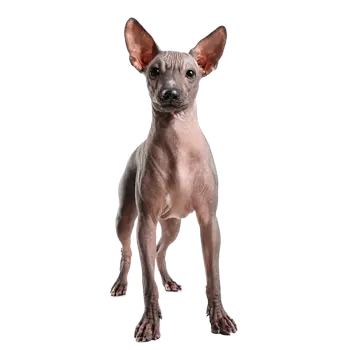
Collar and harness selection for the Peruvian Inca Orchid demands more attention to material and fit than for coated breeds. Traditional nylon collars with rough edges or metal hardware that sits directly against skin can cause chafing, irritation, and even abrasions on the hairless variety's unprotected neck. Look for collars lined with soft materials like neoprene, padded leather, or rolled leather designs that minimize surface contact and distribute pressure more evenly.

Harnesses are generally the better choice for everyday walking with this breed, particularly for dogs that pull or lunge. A well-fitted harness distributes force across the chest and shoulders rather than concentrating it on the delicate trachea, which is especially important for the small variety. Choose harnesses with broad, padded straps and smooth interior surfaces. Mesh-lined harnesses designed for sensitive skin are ideal, as they reduce rubbing while maintaining breathability.

For the hairless variety, check the fit of any collar or harness against bare skin before committing to regular use. Buckle it on at home and let the dog wear it for an hour while you observe. Watch for redness, indentation marks, or any sign that the dog is scratching at the contact points. What feels soft in your hand may still be abrasive against thin, exposed skin during repetitive motion over a thirty-minute walk.

Leash material matters less than collar and harness material since the leash does not contact the dog's skin directly. However, a lightweight leash is preferable for the small variety to avoid adding unnecessary weight to the collar or harness attachment point. Retractable leashes are not recommended for any variety of the Peruvian Inca Orchid — the thin cord can wrap around exposed skin and cause rope-burn injuries in seconds, and the lack of control is dangerous for a breed with strong prey drive.

Grooming Tools

Grooming the Peruvian Inca Orchid is fundamentally different from grooming a coated breed. There is no brushing, no deshedding, and no detangling — but that does not mean grooming is simple. Skin care replaces coat care, and the tools and products needed are closer to a human skincare routine than a traditional dog grooming kit.

A gentle, fragrance-free moisturizing cleanser is the cornerstone of hairless dog skin care. Bathing frequency is higher than for coated breeds — typically once every one to two weeks — because the skin produces oils that, without fur to wick them away, accumulate on the surface and can clog pores. Use lukewarm water and avoid scrubbing aggressively. A soft washcloth or silicone scrubber designed for sensitive skin works better than a bristle brush, which can scratch and irritate.

Between baths, a daily or every-other-day wipe-down with unscented pet wipes or a damp cloth helps manage oil buildup and prevents blackheads and acne, which are common in hairless breeds. Pay particular attention to skin folds, the chest, and areas where the dog's body contacts surfaces while lying down. A lightweight, non-comedogenic moisturizer applied after cleaning helps maintain the skin's barrier function without clogging pores.

Dental grooming tools deserve special mention for this breed. The Peruvian Inca Orchid's dental abnormalities make regular tooth care both more challenging and more important. A soft-bristled toothbrush sized appropriately for your dog's mouth, enzymatic dog toothpaste, and dental chews designed for sensitive mouths should all be part of the grooming toolkit. Nail clippers or a rotary nail grinder round out the essentials, with the grinder being a gentler option for dogs that are sensitive about their feet.

Bowls & Feeders

The best bowl material for the Peruvian Inca Orchid is stainless steel or ceramic. Plastic bowls can harbor bacteria in microscopic scratches on their surface, and the chemicals in some plastics may contribute to contact dermatitis on the chin and muzzle — an area already prone to irritation in hairless dogs. Stainless steel is easy to sanitize, virtually indestructible, and does not retain odors. Ceramic bowls are heavier, which prevents tipping, and their glazed surface is smooth and easy to clean.

Elevated feeders can benefit the medium and large varieties by reducing the amount of neck flexion required during meals. This is a comfort consideration rather than a medical one — the breed's lean build means they do not carry excess weight that would strain their neck and shoulders, but a more natural eating posture can reduce air swallowing and the associated digestive discomfort. For the small variety, floor-level bowls are typically fine, as the distance to the ground is minimal.

Slow-feeder bowls with ridges or maze patterns are useful for Peruvian Inca Orchids that eat too quickly. Fast eating increases the risk of bloat, which is a concern for the larger variety's deeper chest. Slow feeders extend meal times and encourage the dog to work for each bite, adding a mild enrichment element to an everyday activity. Choose a design with smooth, rounded ridges rather than sharp plastic edges that could irritate gums or fragile teeth.

Water bowls should be large enough to ensure the dog always has access to fresh water, and they should be cleaned and refilled daily. Some owners prefer water fountains with circulating filters, which keep water fresher and encourage dogs to drink more — beneficial for skin hydration. If you use a fountain, select one with a stainless steel or ceramic basin rather than plastic, and clean the pump and filter according to the manufacturer's schedule to prevent bacterial growth.

Travel Gear

Traveling with a Peruvian Inca Orchid requires preparation beyond what a typical coated breed needs. The essentials start with a crash-tested travel crate or a car-rated safety harness. The crate should be lined with soft bedding and positioned in the vehicle where it will not receive direct sunlight through the windows, as the interior temperature of a sun-facing crate can rise rapidly and put a hairless dog at risk of overheating and sunburn even inside a climate-controlled car.

A travel bag packed specifically for the dog should include sunscreen, moisturizer, a lightweight jacket or shirt, and a blanket for temperature regulation. The Peruvian Inca Orchid's narrow comfort zone means you may need to dress them for warmth in an over-air-conditioned hotel lobby and then strip the layers off for a warm outdoor walk within the same hour. Having these items readily accessible makes transitions seamless.

Portable water bowls, a supply of the dog's regular food, and familiar bedding or a comfort toy help reduce stress during travel. The Peruvian Inca Orchid is a sensitive breed that can react to changes in routine with anxiety or digestive upset. Maintaining as many constants as possible — same food, same feeding times, a familiar blanket that smells like home — smooths the adjustment to new environments.

For air travel, check airline policies well in advance. The small variety may qualify for in-cabin travel in an approved soft-sided carrier, which is far preferable to cargo hold transport for a breed this sensitive to temperature extremes. If cargo transport is unavoidable, choose a direct flight, avoid travel during extreme weather, and use an insulated crate with adequate ventilation. Many experienced owners of hairless breeds avoid air travel altogether and opt for road trips where they maintain full control over the dog's environment.

Safety & ID

Identification is critical for any dog, but the Peruvian Inca Orchid's relative rarity makes it especially important. A lost Peruvian Inca Orchid may not be recognized as a specific breed by shelter staff or members of the public, and their unusual appearance can attract unwanted attention or lead to misidentification as a stray in poor condition. Microchipping is the most reliable form of permanent identification and should be done as early as possible, ideally at the first veterinary visit.

ID tags should be attached to the collar or harness at all times when the dog is outside the home. Include your phone number, the dog's name, and any critical medical information. Some owners add a line noting the breed name to help anyone who finds the dog understand that their hairless appearance is normal and not a sign of illness or neglect. Tags should be flat-profile designs that do not dangle and catch on objects or irritate the dog's chest.

Reflective and LED gear is essential for evening and early-morning walks, when visibility is low and the Peruvian Inca Orchid's often dark skin makes them difficult for drivers and cyclists to see. Reflective collars, harness strips, and clip-on LED lights all improve visibility. Some owners use reflective jackets that serve double duty as both visibility aids and skin protection during cooler evening walks.

Childproof latches on gates, self-closing hinges, and regular fence inspections are part of the safety infrastructure for this breed. The Peruvian Inca Orchid is an escape artist when motivated by prey drive, and a single unsecured gate can result in a lost dog within seconds. Consider adding a secondary containment measure — such as an airlock-style double gate at the yard entrance — if your property borders a busy road or open land where a loose sighthound could quickly cover dangerous distances.

Seasonal Gear

The Peruvian Inca Orchid's wardrobe is not a fashion statement — it is a medical necessity. In cold weather, this breed needs insulating layers that cover the torso, chest, and ideally the neck. Fleece-lined jackets, knitted sweaters, and thermal pajamas designed for dogs are all practical options. The fit should be snug but not restrictive, with flat seams that do not rub against bare skin. Avoid garments with zippers, Velcro, or decorative elements that could scratch or irritate.

Winter walks require additional protection for the extremities. Dog boots protect paw pads from ice, road salt, and chemical deicers, all of which can cause painful cracking and chemical burns. Introduce boots gradually, as many dogs need time to adjust to the sensation. Start with short indoor sessions and reward the dog for walking normally before transitioning to outdoor use. Snood-style neck warmers can protect the ears and neck from wind chill without the bulk of a full hood.

Summer gear focuses on sun protection. Lightweight, UV-blocking shirts and rash guards designed for dogs shield the skin from harmful rays during outdoor activities. These garments should be light in color to reflect rather than absorb heat, and they should be made from breathable, moisture-wicking fabric to prevent overheating. Dog-safe sunscreen is still necessary on exposed areas like the face, ears, and belly that clothing does not cover.

Rain gear rounds out the seasonal collection. A waterproof jacket keeps the skin dry during wet weather, which is important because prolonged moisture on bare skin can promote bacterial and fungal growth. Look for jackets with a smooth interior lining and a waterproof but breathable outer shell. After any wet outing, dry the dog thoroughly with a soft towel, paying attention to skin folds and crevices where moisture can linger. A quick wipe-down with a gentle cleanser after exposure to muddy or dirty water helps prevent skin infections.

Always consult a qualified professional before making any health-related decisions. This content is provided for informational reference only and should not replace professional guidance specific to your animal.