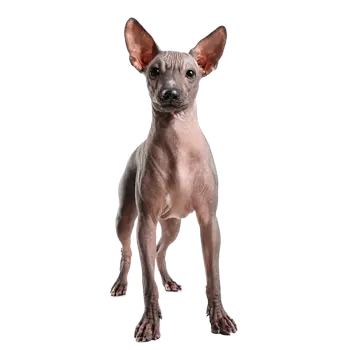

Space Requirements

The Peruvian Inca Orchid is an adaptable breed that can thrive in a variety of living spaces, from apartments to homes with large yards, provided their exercise and companionship needs are met. The small variety weighs as little as nine pounds and fits comfortably in compact urban apartments, while the large variety can exceed fifty pounds and benefits from more room to move. Regardless of size, this breed is not a dog that should be left in a backyard — they are deeply bonded to their human families and want to be wherever their people are.

Indoor living space should include designated rest areas away from high-traffic zones where the dog can retreat and decompress. The Peruvian Inca Orchid can be somewhat reserved and sensitive to overstimulation, so a quiet corner with their bed or crate gives them the option to self-regulate. This is especially important in households with children or frequent visitors.

Outdoor access is valuable for exercise and mental stimulation, but this breed's hairless skin creates unique requirements. Unfenced yards are not appropriate, as the Peruvian Inca Orchid has strong prey drive inherited from its sighthound lineage and will pursue small animals at impressive speed. A securely fenced area with at least five-foot barriers is recommended — these dogs are agile and can clear surprisingly tall obstacles when motivated.

The overall space calculation should account for the fact that this breed is moderately active indoors. They enjoy lounging in warm spots and following their owners from room to room, but they also have bursts of energy that need an outlet. If outdoor space is limited, daily walks and off-leash time in safe, enclosed areas become essential substitutes.

Crates & Kennels

Crate training is highly recommended for the Peruvian Inca Orchid, both as a management tool and as a way to provide the security this breed craves. A properly sized crate becomes a den — a safe, enclosed space where the dog can rest undisturbed. Choose a crate that allows the dog to stand, turn around, and lie down comfortably without excessive extra room, as too much space can undermine the den-like feeling that makes crating effective.

Wire crates offer excellent ventilation, which matters during warmer months, and they allow the dog to see their surroundings, reducing anxiety for dogs that prefer to keep an eye on household activity. However, wire floors can be uncomfortable for a breed with minimal body fat and no coat for cushioning. Always use a thick, washable pad or mat on the crate floor. Some owners prefer plastic airline-style crates for their more enclosed, cave-like feel, which can be calming for anxious dogs.

For the hairless variety, crate placement within the home is particularly important. Avoid positioning the crate near drafty windows, exterior doors, or directly under air conditioning vents. Conversely, placing it in direct sunlight can cause the interior temperature to rise quickly and risk overheating or sunburn. A climate-stable interior wall location is ideal.

Soft-sided crates and playpens can work well for the small variety during travel or supervised daytime use, but they are not suitable for unsupervised confinement, as a determined dog can push through or chew the fabric. For the medium and large varieties, invest in a sturdy metal or reinforced plastic crate that can withstand their strength.

Beds & Sleeping Areas

Bedding selection for the Peruvian Inca Orchid requires more thought than for most breeds because their exposed skin is in direct contact with whatever surface they rest on. Rough, textured fabrics can cause irritation, pressure sores, and abrasions, especially on bony areas like elbows, hips, and the sternum. Look for beds with smooth, tightly woven covers made from materials like microfiber, jersey knit, or fleece that feel gentle against bare skin.

Orthopedic memory foam beds are an excellent investment for this breed at any age. Their lean build and low body fat mean there is less natural cushioning between their bones and hard surfaces. A quality memory foam bed distributes weight evenly and reduces pressure points, which is especially important for the medium and large varieties that carry more weight on their joints. Bolstered beds with raised edges are also popular with this breed, as many Peruvian Inca Orchids like to curl up against something while they sleep.

Warmth is a critical factor. Hairless dogs lose body heat faster than coated breeds, and the Peruvian Inca Orchid will actively seek out the warmest spot in the house. Self-heating beds that reflect the dog's own body warmth can provide passive temperature regulation without the safety risks of electric heating pads. If you do use a heated bed, choose one with an auto-shutoff feature and a chew-resistant cord, and never leave it operating unsupervised.

Washability is non-negotiable. The Peruvian Inca Orchid's skin produces oils that transfer to bedding, and without regular washing, these oils can harbor bacteria and contribute to skin breakouts. Choose beds with removable, machine-washable covers and wash them weekly. Having a spare cover on hand ensures the dog always has a clean surface while the other is in the laundry.

Outdoor Enclosures

Outdoor enclosures for the Peruvian Inca Orchid must be designed with their unique physical vulnerabilities in mind. This is not a breed that can be left outside for extended periods in any climate. Their lack of a protective coat makes them susceptible to sunburn, windburn, insect bites, and rapid temperature changes. Any outdoor setup should be a supervised, time-limited arrangement rather than a permanent living situation.

If you use an outdoor run or enclosed patio area, it must include adequate shade coverage. A solid roof or shade cloth that blocks UV rays is essential — dappled shade from trees is not sufficient, as shifting sunlight can expose the dog to direct rays without warning. The enclosure floor should be smooth and cool, avoiding surfaces like concrete or metal decking that absorb and radiate heat. Grass, rubber matting, or composite decking that stays cool underfoot are better choices.

Fencing for the Peruvian Inca Orchid needs to account for their athleticism and prey drive. Solid privacy fencing is preferable to chain link or slatted designs, as visual barriers reduce the urge to chase animals or people passing by. The fence should be at least five feet tall with no gaps at the base, and checking regularly for weak spots or areas where the dog might dig underneath is important. Some owners add coyote rollers or lean-in extensions at the top of the fence for extra security.

Always provide fresh water in a shaded location within the outdoor enclosure, and bring the dog inside when temperatures drop below sixty degrees Fahrenheit or rise above eighty-five degrees. The Peruvian Inca Orchid's comfort zone is narrower than most breeds, and what feels mild to a person can be genuinely uncomfortable for a hairless dog.

Climate Considerations

Climate management is the defining housing challenge for the Peruvian Inca Orchid. This breed originated in the coastal deserts of Peru, where temperatures are warm and relatively stable year-round. In most of North America and Europe, indoor climate control is not optional — it is a fundamental requirement for responsible ownership. The hairless variety in particular has virtually no insulation against cold and no natural protection against intense sun.

In cold climates, the home should be maintained at a comfortable indoor temperature of at least sixty-eight degrees Fahrenheit during winter months. Supplemental warmth through heated beds, blankets, and clothing is standard practice. Many owners keep a collection of lightweight sweaters and pajamas for indoor wear during cooler evenings, and heavier insulated jackets for outdoor excursions. The dog should never be asked to tolerate temperatures that would make a lightly dressed human uncomfortable.

Hot climates present the opposite challenge. While the Peruvian Inca Orchid tolerates warmth better than cold, their exposed skin is vulnerable to sunburn and heat-related skin damage. Air conditioning is essential during summer months, and outdoor time should be limited to early morning and evening hours when UV exposure and ambient temperatures are lower. Dog-safe sunscreen applied to exposed skin is a routine part of warm-weather management for this breed.

Humidity levels also affect skin health. Very dry environments — whether from arid climates or indoor heating — can cause the skin to crack and flake. A room humidifier in the dog's primary living area can help maintain skin moisture. Conversely, excessively humid environments can promote bacterial and fungal skin infections. The ideal range is roughly 40 to 60 percent relative humidity, which is comfortable for humans and dogs alike.

Multi-Pet Households

The Peruvian Inca Orchid can coexist well with other dogs, particularly if socialized from a young age, but housing arrangements in multi-pet homes require some additional planning. This breed can be possessive of their sleeping areas and their favorite humans, so each dog in the household should have their own designated bed, crate, and feeding station. Shared sleeping areas can lead to resource guarding conflicts, especially between dogs of different breeds or temperaments.

If you have both hairless and coated dogs, be aware that rough play or even enthusiastic greeting behavior can scratch or tear the Peruvian Inca Orchid's skin. Supervise interactions until you are confident that all dogs in the household understand appropriate play intensity. Providing separate play areas or staggering outdoor time can help manage energy levels and reduce the risk of accidental injury.

The Peruvian Inca Orchid's strong prey drive makes them a poor match for households with small free-roaming animals like rabbits, guinea pigs, hamsters, or birds. If these animals are present, they must be housed in secure, elevated enclosures that the dog cannot access, and the two species should never interact unsupervised. Even a well-socialized Peruvian Inca Orchid can be triggered by the movement of a small animal in ways that override their training.

Cats can be compatible housemates if introductions are handled carefully and gradually. Many Peruvian Inca Orchids learn to coexist peacefully with cats they are raised with, but they may still chase unfamiliar cats outdoors. Within the home, ensure the cat has escape routes and elevated spaces the dog cannot reach, so both animals feel secure in their shared environment.

Always consult a qualified professional before making any health-related decisions. This content is provided for informational reference only and should not replace professional guidance specific to your animal.