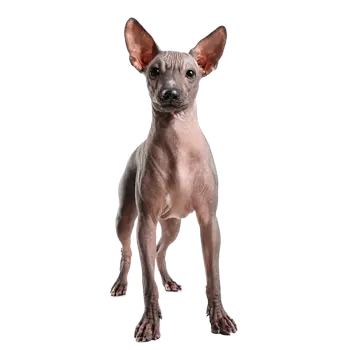

Play Style & Drive

The Peruvian Inca Orchid is a sighthound at heart, and their play style reflects thousands of years of selective breeding for visual pursuit and quick-burst athleticism. They are drawn to toys that move unpredictably — bouncing, rolling, or darting across the ground in ways that trigger their chase instinct. Understanding this drive is the key to choosing toys that genuinely engage them rather than collecting dust in a toy bin.

Despite their prey-driven nature, Peruvian Inca Orchids are also surprisingly cerebral. They enjoy problem-solving and can become frustrated or bored with toys that offer no mental challenge. A balance of physical chase toys and cognitive enrichment keeps this breed satisfied. Dogs that are understimulated mentally often redirect their energy into destructive behaviors like digging, chewing furniture, or excessive barking — all of which are easier to prevent than to correct.

Play preferences can vary significantly across the three size varieties. The small variety tends to be quicker and more agile, favoring fast-moving toys they can pounce on. The medium and large varieties have more power behind their play and may prefer tug-based or retrieval games that let them use their strength. Observing your individual dog's natural tendencies during free play will tell you more than any breed generalization about what toys will hold their interest.

It is also worth noting that the Peruvian Inca Orchid often plays in intense, focused bursts rather than sustained marathon sessions. They sprint, chase, catch, and then settle. Structuring play around these natural cycles — short, high-energy sessions with rest periods — keeps the dog engaged without overexertion and aligns with their sighthound physiology.

Interactive & Puzzle Toys

Puzzle toys are an essential part of the Peruvian Inca Orchid's enrichment toolkit. This breed's intelligence demands regular mental exercise, and puzzle feeders, treat-dispensing balls, and sliding-tile games all provide the cognitive challenge they need. Start with beginner-level puzzles for puppies or dogs new to enrichment, and gradually increase the difficulty as they master each level. A puzzle that is too easy offers no stimulation, while one that is too difficult can cause frustration and disengagement.

Snuffle mats are a simple but highly effective enrichment tool for this breed. Scattering kibble or small treats throughout the fabric strips engages the dog's nose and slows down eating, providing both mental stimulation and a natural calming activity. The Peruvian Inca Orchid has a keen sense of smell despite being primarily a sighthound, and nose work taps into a different part of their brain than visual chase games, offering a well-rounded enrichment experience.

Interactive toys that require owner participation — such as flirt poles, spring poles, and tug ropes — are particularly valuable for bonding. The Peruvian Inca Orchid is a breed that thrives on connection with their handler, and shared play strengthens that bond while simultaneously burning energy. Flirt poles are especially effective because they simulate the erratic movement of prey, satisfying the dog's chase instinct in a controlled, safe environment.

Rotate puzzle toys regularly to maintain novelty. Even the best puzzle loses its appeal once the dog has solved it repeatedly. Keeping three or four puzzles in rotation and swapping them out every few days ensures that each one feels fresh. Some owners freeze treats inside rubber toys or layer them with peanut butter and kibble to add a time-release element that extends the engagement period.

Chew Toys & Durability

Chew toy selection for the Peruvian Inca Orchid must account for the breed's dental peculiarities. Hairless individuals frequently have incomplete dentition, including missing premolars and canines that may be smaller or more fragile than those in coated dogs. Extremely hard chew toys — antlers, bones, and nylon chews designed for power chewers — can crack or damage these already vulnerable teeth. Opt for medium-firmness rubber toys that yield slightly under pressure while still providing satisfying resistance.

Natural chew options like bully sticks, tendons, and dried fish skins offer a good balance of durability and dental safety. They are digestible, which reduces the risk of intestinal blockage, and their texture helps clean teeth as the dog chews. Always supervise chewing sessions, regardless of the product, and discard any chew that has been reduced to a size small enough to swallow whole. The Peruvian Inca Orchid, particularly the small variety, can choke on pieces that a larger dog would pass without issue.

Durability requirements vary by size variety. The large Peruvian Inca Orchid has considerably more jaw strength than the small variety and can destroy flimsy toys in minutes, creating a choking hazard from loose pieces. Choose toys rated for the dog's actual size and chewing intensity rather than defaulting to the toughest option available, which may be too hard for their teeth.

Avoid toys with small parts, squeakers that can be extracted, or stuffing that can be pulled out and ingested. While many dogs enjoy destuffing plush toys, the Peruvian Inca Orchid's sighthound determination means they will systematically dismantle a vulnerable toy with impressive speed. If your dog loves plush toys, look for reinforced versions with hidden seams, no external eyes or noses, and either no squeaker or one that is deeply embedded and sewn in place.

Fetch & Outdoor Toys

Fetch taps directly into the Peruvian Inca Orchid's sighthound instincts and can be one of the most satisfying forms of exercise for this breed. However, the hairless variety's skin requires that you choose fetch toys carefully. Rough-textured balls, sticks, and hard plastic discs can scratch or abrade exposed skin during retrieval. Soft rubber balls, fabric frisbees, and foam retrieving bumpers are gentler alternatives that still fly well and are easy for the dog to grip.

Ball launchers extend the range of your throws and allow the dog to run at full speed over longer distances, which is exactly the kind of explosive sprint a sighthound craves. Use these in enclosed areas only — the Peruvian Inca Orchid's prey drive can override recall training if they spot something worth chasing mid-retrieve. A securely fenced field or a designated dog park with solid perimeter fencing is the safest environment for off-leash fetch.

Lure coursing toys bring a competitive sport directly to your backyard. Battery-operated or manual lure systems drag a toy along the ground on a line, simulating the movement of fleeing prey. The Peruvian Inca Orchid was built for exactly this type of pursuit, and even casual backyard lure chasing provides extraordinary physical and mental satisfaction. These systems range from simple DIY rigs with a fishing pole and a fabric lure to more elaborate motorized setups.

Outdoor play should always be scheduled around weather and sun exposure. Avoid fetch sessions during peak UV hours — typically between ten in the morning and four in the afternoon — and apply dog-safe sunscreen to the dog's exposed skin before heading outside. On hot days, keep sessions short and provide immediate access to shade and fresh water. The excitement of the chase can cause a hairless dog to overheat before they show obvious signs of distress.

Comfort & Companion Toys

The Peruvian Inca Orchid forms deep emotional bonds with their owners and can experience separation anxiety when left alone. Comfort toys — soft plush items, heartbeat simulators, and warmth-retaining companions — can help ease the stress of solitude. Heartbeat toys are particularly useful for puppies transitioning from the litter to their new home, simulating the presence of a littermate during those first lonely nights.

For adult dogs, a designated comfort toy that carries the owner's scent can serve as a transitional object during absences. Rubbing the toy between your hands or tucking it into your clothing for a few hours before leaving transfers your scent to the fabric, providing olfactory reassurance. Many Peruvian Inca Orchids will carry their comfort toy to their bed, guard it gently, and curl up with it — behavior that is healthy and should be encouraged rather than discouraged.

Heated plush toys address two needs at once for the hairless variety: emotional comfort and physical warmth. Microwaveable inserts that retain heat for several hours can turn an ordinary stuffed toy into a warm companion, which is especially valuable during cold weather or in air-conditioned homes. Make sure the insert is securely enclosed and the toy's exterior is tear-resistant, as an exposed heating element is a burn and ingestion risk.

Not every Peruvian Inca Orchid wants a comfort toy, and that is perfectly normal. Some individuals are more independent and prefer to self-soothe by burrowing under blankets or finding a warm lap. The goal is to offer options and let the dog choose what works for them. Forcing a toy on an uninterested dog adds clutter without benefit.

DIY & Budget Options

Enrichment does not require an expensive trip to the pet store. Some of the most engaging activities for the Peruvian Inca Orchid can be assembled from household items at virtually no cost. A muffin tin with tennis balls placed over treats in each cup creates an instant puzzle feeder. A cardboard box filled with crumpled paper and hidden kibble becomes a foraging challenge. An old towel knotted into a rope makes a serviceable tug toy.

Frozen enrichment is a budget-friendly way to extend engagement and provide cooling relief during warm weather. Fill a rubber toy with a mixture of plain yogurt, mashed banana, and kibble, then freeze it overnight. The resulting frozen treat takes much longer to consume than a dry-filled toy, keeping the dog occupied and mentally engaged. You can also freeze diluted low-sodium broth in ice cube trays for quick, refreshing treats that double as hydration support.

Hide-and-seek games cost nothing and play directly to the Peruvian Inca Orchid's intelligence and attachment to their owner. Have someone hold the dog while you hide in another room, then call them. The search process engages their problem-solving skills, and the joyful reunion reinforces the bond between dog and owner. As the dog improves, increase the difficulty by hiding in less obvious locations or remaining silent and letting them use scent alone to find you.

When creating DIY toys, safety is the primary concern. Avoid materials that splinter, shred into long strings (which can cause intestinal linear foreign bodies if swallowed), or contain small pieces that could be chewed off and ingested. Always supervise play with homemade toys and discard them at the first sign of significant wear. The cost savings are meaningless if a DIY toy results in an emergency veterinary visit.

Always consult a qualified professional before making any health-related decisions. This content is provided for informational reference only and should not replace professional guidance specific to your animal.