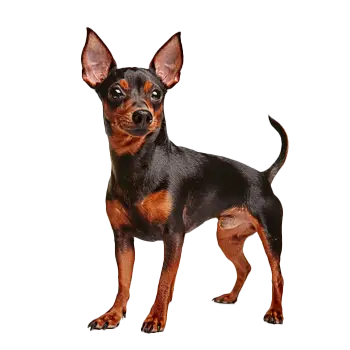

Harnesses are strongly recommended over traditional collars for Miniature Pinschers. This breed is prone to tracheal collapse, a condition where the cartilage rings of the windpipe weaken and flatten, and any pressure on the throat from a collar can aggravate this risk. A well-fitted harness distributes pulling force across the chest and shoulders, protecting the delicate neck while providing better control during walks. Step-in harnesses and vest-style harnesses are both good options for this breed.
When fitting a harness, ensure you can slide two fingers between the harness and your dog's body at any contact point. Too loose and the Min Pin will wriggle free — something they are remarkably talented at — and too tight risks chafing against their short coat and sensitive skin. Adjustable harnesses with multiple sizing points provide the most customizable fit and accommodate minor weight fluctuations between seasons.
A lightweight, flat collar should still be worn for identification purposes, even if a harness is used for walks. Choose a collar that is narrow enough to be comfortable on the Min Pin's slender neck — half-inch width is typically ideal — and that uses a breakaway or quick-release buckle for safety. Avoid heavy hardware or oversized tags that weigh down the collar and cause irritation.
Retractable leashes are generally a poor choice for Miniature Pinschers. The thin cord can cause rope burns, the retraction mechanism provides inconsistent tension, and the extended range gives the dog too much opportunity to dash into dangerous situations before the owner can react. A standard four-to-six-foot leash made from lightweight nylon or biothane offers better control and responsiveness during walks, especially in urban environments where quick corrections are frequently needed.