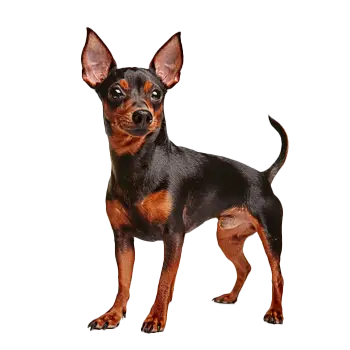

Play Style & Drive

Miniature Pinschers approach play the way they approach everything else — with intensity, confidence, and very little restraint. These dogs have a strong prey drive inherited from their ratting heritage, which means they are naturally drawn to toys that move, squeak, or can be shaken vigorously. Understanding this instinctive play style is essential for selecting toys that will actually hold a Min Pin's attention rather than being ignored after the first few minutes.

Despite their small size, Min Pins play with surprising force and determination. They will pounce, shake, toss, and chase toys with the energy of a much larger terrier. This means that toys designed for the most delicate toy breeds often fall apart within hours. At the same time, toys built for large breeds are typically too heavy or unwieldy for a Min Pin to enjoy. The sweet spot is small but durable — toys sized for a small dog but constructed to withstand vigorous play.

Mental stimulation is just as important as physical activity for this breed. Miniature Pinschers are intelligent and easily bored, and a bored Min Pin is a destructive Min Pin. They will redirect their energy toward shoes, furniture, and anything else they can reach if they do not have appropriate outlets. A well-curated toy rotation that includes both physical and mental challenges is one of the best investments an owner can make in household harmony.

Social play is another dimension worth considering. Min Pins enjoy interactive games with their owners and often prefer toys that facilitate shared activity over solo entertainment. Tug toys, fetch items, and hide-and-seek games strengthen the bond between dog and owner while channeling the breed's considerable energy in a positive direction.

Interactive & Puzzle Toys

Puzzle toys are an excellent match for the Miniature Pinscher's sharp mind and persistent nature. These toys require the dog to solve a problem — sliding panels, lifting flaps, or manipulating compartments — to access a hidden treat. Start with beginner-level puzzles and gradually increase difficulty as your dog masters each one. Min Pins tend to figure out simple puzzles quickly, so having several options at different difficulty levels keeps the challenge fresh.

Treat-dispensing toys that release kibble or small treats as the dog rolls, nudges, or manipulates them are perfect for mealtime enrichment. Instead of eating from a bowl in thirty seconds flat, your Min Pin spends ten to twenty minutes working for their food, which slows eating, improves digestion, and provides valuable mental exercise. This approach is particularly useful for dogs prone to eating too fast or those that need to lose a small amount of weight.

Snuffle mats and lick mats provide a different type of mental engagement. Snuffle mats mimic the experience of foraging through grass, tapping into the breed's natural scavenging instincts. Lick mats, spread with a thin layer of dog-safe peanut butter or wet food, promote calming behavior and can be useful during stressful situations like thunderstorms or veterinary visits. Both options are low-impact enrichment tools that work well for winding down after active play.

Interactive electronic toys — battery-operated balls that roll unpredictably or motion-activated toys that mimic prey movement — can captivate a Min Pin's attention for extended periods. However, these should supplement rather than replace human interaction. A toy that moves on its own is engaging, but it does not build the same trust and communication that interactive play with an owner provides.

Chew Toys & Durability

Miniature Pinschers are moderate chewers with surprisingly strong jaws relative to their size. They need chew toys that are tough enough to withstand sustained gnawing but appropriately sized for a small mouth. Avoid anything designed for power-chewing large breeds, as these products are often too hard and can crack or chip a Min Pin's teeth. The ideal chew toy has some give to it — firm enough to provide resistance but not rock-hard.

Rubber chew toys in small sizes are a reliable choice for everyday use. Look for products made from natural rubber or food-grade silicone that can be stuffed with treats or frozen with wet food for extended chewing sessions. The freezing trick is especially effective during teething for puppies or during hot weather when a cold treat provides both entertainment and relief from the heat.

Rope toys serve double duty as chew toys and light tug toys, and they can help with dental hygiene by acting as a natural flosser as the dog chews through the fibers. Choose ropes made from natural cotton rather than synthetic materials, and replace them when they begin to fray significantly — ingested rope fibers can cause intestinal blockages. Knot-style ropes in small sizes are typically the best fit for Min Pin mouths.

Monitor all chew toys for wear and replace them before they break into pieces small enough to swallow. Miniature Pinschers are not typically destructive chewers, but they can be persistent, and any toy will eventually break down with regular use. Establishing a weekly toy inspection routine helps catch deteriorating toys before they become a hazard. Discard any toy that has been reduced to a size that could fit entirely inside your dog's mouth.

Fetch & Outdoor Toys

Fetch is a natural fit for the Miniature Pinscher's prey drive, and many Min Pins take to it with enthusiasm once introduced properly. Small, lightweight balls are the go-to fetch toy — standard tennis balls are often too large for a Min Pin to carry comfortably, so look for mini tennis balls or small rubber balls specifically designed for toy breeds. The ball should be large enough that it cannot be swallowed but small enough to grip and carry with ease.

Flying disc toys offer a variation on the fetch theme, but full-size discs are impractical for this breed. Miniature versions made from soft, flexible material work well and are easier on the dog's mouth during catches. Some Min Pins prefer the unpredictable bounce and roll of a ball to the gliding flight of a disc, so experiment with both to discover what engages your dog most.

Squeak toys with a fetch-friendly shape combine two of the Min Pin's favorite things — chasing and squeaking — into one activity. The sound triggers the prey response that gets them running, while the chase satisfies their need for speed and pursuit. Outdoor squeaker sessions are ideal because the noise carries without disturbing indoor environments, and the open space allows for longer throws and more satisfying sprints.

Always supervise outdoor play with toys, particularly in unfenced areas. Min Pins can become so fixated on chasing a toy that they lose awareness of their surroundings, including traffic, other animals, and property boundaries. A long training lead attached to a harness provides freedom of movement during fetch sessions while maintaining a safety connection. Retrieve the toy yourself if it lands near a road or boundary rather than letting the dog chase it into an unsafe area.

Comfort & Companion Toys

Not every toy needs to stimulate or challenge a Miniature Pinscher — some toys serve a purely comforting role. Many Min Pins develop attachments to specific plush toys, carrying them around, sleeping with them, and guarding them from other pets. These companion toys provide emotional security, particularly for dogs that experience separation anxiety or that are left alone for portions of the day.

When selecting plush toys for a Min Pin, prioritize safety over aesthetics. Choose toys with embroidered eyes and noses rather than button or bead attachments that can be chewed off and swallowed. Double-stitched seams resist tearing better than single-stitched construction, and flat or minimal stuffing reduces the risk associated with ingesting filling material. Some plush toys are specifically designed with minimal stuffing for safety-conscious owners.

Heartbeat toys — plush animals with a battery-powered pulse simulator inside — can be especially comforting for puppies transitioning to a new home or dogs adjusting to a change in their routine. The rhythmic vibration mimics the presence of a littermate or companion and can reduce whining, pacing, and other stress behaviors during the adjustment period. These toys are also useful for calming Min Pins during crate training.

Rotate comfort toys periodically to maintain their novelty value, but keep the dog's primary attachment toy consistently available. If your Min Pin has clearly bonded with one specific toy, consider purchasing a backup before it becomes unavailable. Losing a beloved companion toy can cause genuine distress in a dog that has formed a strong attachment, and having an identical replacement on hand prevents this situation.

DIY & Budget Options

Entertaining a Miniature Pinscher does not require an expensive toy collection. Many effective enrichment activities can be created from common household items at minimal cost. A muffin tin with tennis balls placed over treats in each cup creates an instant puzzle toy that most Min Pins find genuinely challenging. Empty cardboard boxes and paper towel rolls filled with kibble and crumpled paper provide foraging opportunities that tap into the breed's natural scavenging instincts.

Frozen treats are a simple and cost-effective enrichment tool. Fill a small rubber toy or ice cube tray with a mixture of low-sodium broth and small pieces of dog-safe fruits or vegetables, freeze overnight, and offer as a long-lasting activity. This is particularly valuable during warm months when frozen items provide both mental engagement and cooling relief. Vary the ingredients to keep the experience interesting for your dog.

Old t-shirts and towels can be braided into tug toys that are surprisingly durable and cost nothing to produce. Cut the fabric into strips, braid tightly, and knot the ends securely. These DIY tug toys are washable, replaceable, and perfectly sized for a Miniature Pinscher's grip. Replace them when they begin to unravel, as loose fabric strips pose the same ingestion risks as frayed commercial rope toys.

Hide-and-seek games using the dog's regular kibble scattered around a room provide mental stimulation without any equipment at all. Start by placing treats in obvious locations and gradually increase the difficulty by hiding them under cushions, behind furniture legs, or inside loosely folded towels. This game exercises the Min Pin's nose and problem-solving skills while reinforcing calm, focused behavior — a welcome contrast to the breed's default intensity.

Always consult a qualified professional before making any health-related decisions. This content is provided for informational reference only and should not replace professional guidance specific to your animal.