
Nutritional Needs

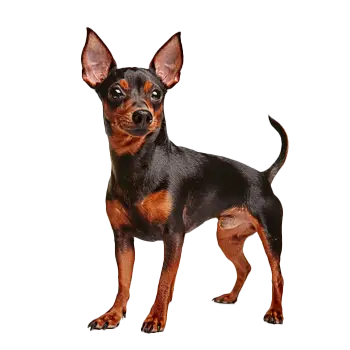
Miniature Pinschers are compact, muscular dogs with a surprisingly fast metabolism. Despite their small size, they burn through calories quickly due to their constant activity and high energy levels. This means their food needs to be nutrient-dense, delivering adequate protein, healthy fats, and complex carbohydrates in relatively small portions. A diet that would suit a more sedentary toy breed will often leave a Min Pin underfueled and restless.

Protein should form the foundation of a Miniature Pinscher's diet, ideally making up at least 25 to 30 percent of total caloric intake. High-quality animal proteins support their lean muscle mass and keep their sleek coat in good condition. Fat content is equally important for sustained energy, but it should come from identifiable sources rather than generic animal fats. Omega-3 and omega-6 fatty acids contribute to skin health and help manage the occasional dryness that small breeds can experience.

Because Min Pins are prone to weight gain if overfed — even a pound or two of excess weight puts significant strain on their small frame — portion control is critical. Caloric needs typically fall between 300 and 500 calories per day depending on age, activity level, and whether the dog has been spayed or neutered. Owners should also be aware that this breed can be susceptible to hypoglycemia, particularly in puppyhood, making consistent meal timing and balanced macronutrients essential from day one.

Micronutrients deserve attention as well. Calcium and phosphorus in proper ratios support the breed's fine bone structure, while B vitamins and iron help maintain the energy levels these dogs are known for. Antioxidant-rich ingredients support immune function, which is especially important during seasonal transitions or periods of stress.

What to Look For

When evaluating food options for a Miniature Pinscher, the ingredient list tells the real story. Look for a named animal protein — such as chicken, turkey, salmon, or beef — as the first ingredient. Avoid formulas where the primary protein source is listed vaguely as "meat meal" or "animal by-products," as these can vary widely in quality and digestibility. For a breed with a sensitive digestive system, ingredient transparency matters.

Kibble size is a practical concern that many owners overlook. Miniature Pinschers have small mouths and relatively delicate teeth, so standard-sized kibble can be difficult to chew and may discourage thorough eating. Small-breed formulas typically feature smaller kibble pieces that are easier to manage and promote better digestion through more complete chewing. This also reduces the risk of choking, which is a legitimate concern for toy-sized dogs.

Avoid foods with excessive fillers like corn, wheat, and soy, which provide minimal nutritional value and can contribute to food sensitivities. Artificial colors, flavors, and preservatives are similarly unnecessary. Instead, look for whole-food carbohydrate sources like sweet potato, brown rice, or oats, which provide steady energy without spiking blood sugar — an important consideration given the breed's susceptibility to blood sugar fluctuations.

Finally, consider the caloric density of the food. Small-breed formulas are typically more calorie-dense per cup than standard adult formulas, which means your Min Pin can get the energy they need without having to consume large volumes. This is especially helpful for dogs that tend to be picky eaters, a trait that Miniature Pinschers are well known for.

Recommended Dry Food

Dry kibble remains the most practical everyday food option for Miniature Pinschers, offering convenience, dental benefits, and long shelf life. The best dry food options for this breed are small-breed-specific formulas that account for their faster metabolism and smaller bite size. Look for products that list a high-quality animal protein as the primary ingredient and include a balanced ratio of fats and carbohydrates designed for active toy breeds.

Grain-inclusive formulas are generally a safe and nutritious choice for Min Pins, as most dogs in this breed tolerate grains well and benefit from the steady energy they provide. However, if your dog shows signs of grain sensitivity — itching, digestive upset, or ear inflammation — a limited-ingredient or grain-free formula may be worth exploring with veterinary guidance. Keep in mind that grain-free diets have been the subject of ongoing research regarding potential cardiac concerns, so this is a decision best made with professional input.

For puppies, choose a small-breed puppy formula that supports rapid growth without encouraging excessive weight gain. These formulas typically feature higher protein and fat percentages along with DHA for brain and eye development. Transition to an adult formula around 10 to 12 months of age, and consider a senior-specific formula once your Min Pin reaches eight or nine years old, as caloric needs decrease and joint-support ingredients become more relevant.

Rotational feeding — cycling between two or three compatible dry food formulas — can help prevent food boredom and reduce the risk of developing sensitivities to any single protein source. Many Min Pin owners find this approach keeps their dogs more engaged at mealtime while broadening the nutritional profile over time.

Wet & Fresh Options

Wet food can be an excellent supplement or primary diet for Miniature Pinschers, particularly for dogs that are picky eaters or need extra hydration. The higher moisture content in wet food supports kidney function and urinary health, and many dogs find the texture and aroma more appealing than dry kibble alone. For Min Pins that resist eating consistently, mixing a spoonful of wet food into their kibble can make a significant difference in meal completion.

Fresh and refrigerated food options have become increasingly popular and can be a strong fit for this breed. These minimally processed formulas typically use whole-food ingredients with gentle cooking methods that preserve more nutrients than traditional kibble manufacturing. The trade-off is cost and convenience — fresh foods require refrigeration, have shorter shelf lives, and tend to be more expensive per serving. For owners willing to invest, however, the nutritional profile is often superior.

When using wet food as a topper or mixer rather than a complete meal, be mindful of total caloric intake. It is easy to overshoot daily calorie targets when combining food types, and even a small excess can lead to noticeable weight gain in a dog that should weigh between eight and twelve pounds. Measure wet food portions carefully and adjust kibble quantities accordingly to maintain a healthy balance.

Homemade diets are another option some owners explore, but they require careful formulation to ensure nutritional completeness. If you choose to prepare your Miniature Pinscher's food at home, work with a veterinary nutritionist to develop recipes that meet all of your dog's macro and micronutrient needs. Improperly balanced homemade diets can lead to deficiencies that manifest as coat problems, lethargy, or more serious health issues over time.

Treats & Supplements

Treats are an important training tool for Miniature Pinschers, a breed that responds well to positive reinforcement but can become stubborn if motivation wanes. Choose small, low-calorie treats that can be delivered quickly during training sessions without adding significant calories to the daily total. Soft, pea-sized treats work best for this breed, as they can be consumed quickly and don't interrupt the flow of a training exercise.

Dental chews serve a dual purpose for Min Pins, providing both mental engagement and oral health benefits. This breed can be prone to dental issues due to their small jaw and crowded teeth, so regular chewing on appropriately sized dental products helps reduce tartar buildup between professional cleanings. Avoid chews that are too hard or too large, as they can damage the breed's relatively small teeth or present a choking hazard.

Supplements can fill nutritional gaps, but they should complement a balanced diet rather than compensate for a poor one. Omega fatty acid supplements support coat health and can reduce the dry, flaky skin that some Min Pins experience, particularly during winter months. Glucosamine and chondroitin may benefit older dogs or those showing early signs of joint stiffness, a condition that can develop in this breed despite their small size due to their active, high-impact play style.

Probiotics are worth considering for Miniature Pinschers with sensitive stomachs or those transitioning between foods. A quality probiotic supplement can support digestive regularity, improve nutrient absorption, and reduce the gas and loose stools that sometimes accompany dietary changes. As with any supplement, introduce probiotics gradually and consult your veterinarian if digestive issues persist.

Foods to Avoid

Certain foods that are harmless to humans pose serious risks to Miniature Pinschers, and their small body weight means even small amounts of toxic substances can have outsized effects. Chocolate, grapes, raisins, onions, garlic, and xylitol (a sugar substitute found in many sugar-free products) are all toxic to dogs and should be kept well out of reach. Given the Min Pin's boldness and curiosity, extra vigilance is required — these dogs will investigate countertops, bags, and trash cans without hesitation.

High-fat table scraps are particularly problematic for this breed. Miniature Pinschers are prone to pancreatitis, an inflammatory condition that can be triggered by fatty foods like bacon, sausage, or fried items. Even a single episode of pancreatitis can become a recurring issue, so it is best to establish a strict no-table-scraps policy early and ensure that all family members and visitors follow it consistently.

Cooked bones should never be offered, as they can splinter and cause choking, intestinal blockages, or perforations. Raw bones are sometimes recommended by proponents of raw feeding, but they carry their own risks including bacterial contamination and tooth fractures. If you want to provide a bone-like chewing experience, choose a digestible chew product that is appropriately sized for a toy breed.

Be cautious with dairy products as well. While small amounts of plain yogurt or cottage cheese are generally tolerated, many dogs — including Min Pins — have some degree of lactose intolerance that can manifest as gas, bloating, or diarrhea. Monitor your dog's reaction when introducing any new food, and discontinue anything that causes digestive distress.

Feeding Schedule

Miniature Pinscher puppies under six months of age should eat three to four small meals per day to maintain stable blood sugar levels and support their rapid growth. This breed is particularly susceptible to hypoglycemia during puppyhood, and going too long between meals can cause lethargy, trembling, or even seizures in severe cases. Keeping meals small and frequent is the most effective preventive measure during this vulnerable stage.

Adult Miniature Pinschers typically do well on two meals per day, spaced roughly 10 to 12 hours apart. Morning and evening feedings align well with most household routines and provide consistent energy throughout the day. Free-feeding — leaving food out all day for grazing — is generally not recommended for this breed, as it makes portion control difficult and can contribute to weight gain. Min Pins that graze often eat out of boredom rather than hunger, which compounds the problem.

Senior Min Pins may benefit from a return to three smaller meals per day as their metabolism slows and their digestive efficiency decreases. Smaller, more frequent meals are easier on an aging digestive system and help maintain more consistent energy levels throughout the day. This is also a good time to reassess caloric intake, as older dogs typically need 15 to 20 percent fewer calories than their younger counterparts to avoid weight gain.

Consistency is key with this breed. Miniature Pinschers thrive on routine, and erratic feeding times can lead to anxiety, food guarding, or refusal to eat. Choose set feeding times and stick to them as closely as possible, even on weekends and during travel. If your dog consistently leaves food in the bowl, reduce portion sizes rather than leaving uneaten food out — this keeps meals fresh and prevents the development of picky eating habits.

Always consult a qualified professional before making any health-related decisions. This content is provided for informational reference only and should not replace professional guidance specific to your animal.