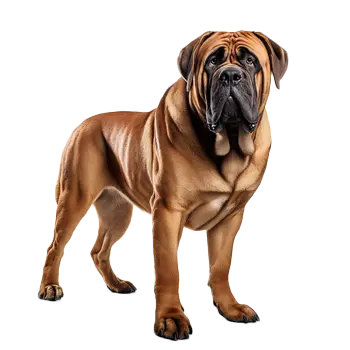

A Mastiff's collar must be strong enough to withstand the force a 200-pound dog can generate and wide enough to distribute pressure across the neck without digging in. Look for collars at least 1.5 to 2 inches wide, made from heavy-duty leather, reinforced nylon, or biothane — a synthetic material that combines the durability of leather with water resistance and easy cleaning. Hardware matters as much as the collar material itself: buckles and D-rings should be solid stainless steel or welded brass rather than stamped metal or plastic, which can bend or snap under stress.
Harnesses are generally preferred over collars for walking and training because they distribute pulling force across the chest and shoulders rather than concentrating it on the trachea. A front-clip harness redirects a pulling dog back toward the handler, providing better control without the choking risk of collar-based corrections. For Mastiffs, look for harnesses with wide, padded straps and multiple adjustment points to achieve a secure fit around a barrel chest. A poorly fitted harness that shifts or rides up can cause chafing and gives the dog an opportunity to back out of the equipment.
Leashes for Mastiffs should be made of thick leather or heavy-duty nylon, ideally six feet long for standard walks. Retractable leashes are not recommended for giant breeds — the thin cord can snap under a sudden lunge, the retraction mechanism lacks the strength to manage a dog this powerful, and the variable length makes it difficult to maintain consistent control. A sturdy six-foot leash with a comfortable padded handle provides the most reliable connection between owner and dog.
Double-ended leashes or leash-harness combinations that attach at both the front chest clip and a back clip can offer additional control for Mastiffs that pull or for handlers who lack the upper-body strength to manage a sudden lunge. Traffic handles — short loops positioned near the leash clip — provide a quick grab point for close-quarters control in crowded areas, near roads, or when passing other dogs.