
Play Style & Drive

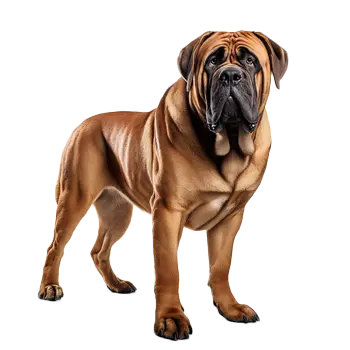
Mastiffs are not high-energy dogs in the way that herding or sporting breeds are. They tend toward moderate activity levels with bursts of playfulness interspersed with long periods of rest. Understanding this play style is essential when selecting toys, because products designed for relentless fetchers or tireless tuggers may not hold a Mastiff's interest. Instead, Mastiffs often prefer shorter play sessions that involve problem-solving, gentle tug games, or simply carrying a treasured toy around the house.

Despite their calm demeanor, Mastiffs possess tremendous jaw strength. Their bite force is among the highest of any domestic dog breed, which means that toys rated for "large breeds" may still fall apart within minutes. This is not a sign of destructive behavior — it is simply a function of physics and anatomy. Selecting toys specifically rated for power chewers or extreme durability is a necessity rather than an upgrade for this breed.

Mastiff puppies tend to be more active and playful than adults, and their toy preferences may shift as they mature. A young Mastiff that loves chasing balls may grow into an adult that prefers a slow chewing session on the couch. Maintaining a rotation of toy types throughout the dog's life ensures you can match the current play preference rather than assuming consistency from puppyhood to adulthood.

Social play is also important for Mastiffs. They are deeply bonded to their families and often prefer interactive toys — those that require a human partner — over solo entertainment. Tug ropes, flirt poles, and toys that facilitate gentle wrestling or chase games strengthen the bond between dog and owner while providing appropriate physical outlets for a breed that should avoid high-impact exercise.

Interactive & Puzzle Toys

Puzzle toys are excellent for Mastiffs because they channel the breed's intelligence into a calm, focused activity. Food-dispensing puzzles that require the dog to slide panels, lift covers, or nudge compartments to access treats provide mental stimulation without the physical intensity that could stress giant-breed joints. Start with beginner-level puzzles and increase complexity as your Mastiff learns the mechanics — many dogs figure out simple designs within minutes and need progressively harder challenges to stay engaged.

Snuffle mats and lick mats are low-key enrichment options that work well for Mastiffs. A snuffle mat — a fabric mat with deep fleece strips — hides kibble or small treats that the dog must sniff out, engaging the olfactory system in a satisfying way. Lick mats smeared with peanut butter, plain yogurt, or pumpkin puree encourage slow, repetitive licking that can have a calming effect, making them useful during stressful situations like thunderstorms or grooming sessions.

Stuffable rubber toys designed for heavy chewers are a staple enrichment item. These hollow toys can be filled with a mixture of kibble, wet food, and treats, then frozen to extend the challenge. A frozen stuffed toy can occupy a Mastiff for 30 to 60 minutes, providing excellent mental stimulation during crate time or when the household needs a calm period. Use recipes appropriate for your dog's diet and avoid stuffing ingredients that are high in fat or sugar.

Interactive electronic toys — those that move unpredictably, make sounds, or dispense treats at intervals — can intrigue some Mastiffs, though the breed's reaction to technology varies. Some dogs engage enthusiastically with automatic ball launchers or wobbling treat dispensers, while others show little interest. If you invest in an electronic toy, supervise initial interactions to ensure the dog does not become frustrated, anxious, or attempt to dismantle the device.

Chew Toys & Durability

Chew toys for Mastiffs must be virtually indestructible. Standard rubber toys, plush animals, and thin rope toys will not survive sustained chewing from a dog with this much jaw power. Look for toys marketed as "extreme" or "power chewer" grade, made from solid natural rubber, ultra-tough nylon, or reinforced composite materials. The toy should have some give — hard enough to resist destruction but not so rigid that it risks cracking teeth. If you can dent the surface with your thumbnail, it is generally safe for dental health.

Size matters significantly for chew toy safety. Any toy small enough for a Mastiff to fit entirely in its mouth or swallow presents a choking hazard. Choose the largest available size in any product line and inspect toys regularly for signs of wear. Once a chew toy develops cracks, missing chunks, or sharp edges, replace it immediately — ingested pieces of rubber or nylon can cause intestinal blockages that require surgical intervention.

Natural chews like bully sticks, yak cheese chews, and dried tendons offer a digestible alternative to synthetic chew toys. These are consumed over time rather than meant to last indefinitely, so they are more of a treat-toy hybrid. Select the thickest, longest options available to extend chewing time and reduce choking risk. Always supervise your Mastiff with natural chews and remove the last small piece before it becomes a swallowing hazard.

Antlers and hard bones — whether natural or manufactured — are controversial in the veterinary community. While they last a long time and many dogs enjoy them, they are hard enough to fracture teeth, particularly the large upper premolars (carnassial teeth) that bear the brunt of chewing force. If you choose to offer antlers, select split antlers that expose the softer marrow interior, and monitor your dog for any signs of tooth sensitivity or damage.

Fetch & Outdoor Toys

Fetch with a Mastiff looks different than fetch with a retriever. Most Mastiffs will chase a ball with moderate enthusiasm for a few throws before losing interest or deciding the ball is better enjoyed as a stationary chew toy. This is perfectly normal for the breed and should not be interpreted as a training failure. If your Mastiff enjoys fetch, keep sessions short to protect joints from the impact of sudden starts, stops, and directional changes on a heavy frame.

Ball selection is important for safety. Tennis balls are too small for most adult Mastiffs and pose a choking hazard if compressed or swallowed. Choose balls at least four inches in diameter — roughly the size of a softball or larger. Solid rubber balls designed for large breeds are more durable and safer than hollow or foam options. Avoid balls with squeakers that could be extracted and swallowed once the outer material is punctured.

Tug toys provide an excellent outdoor activity for Mastiffs that is lower impact than fetch. Heavy-duty tug ropes made from firehose material, thick rubber, or multiple layers of woven fabric can withstand the pull of a giant breed. Tug games also offer natural training opportunities for impulse control — teaching the dog to release on command and wait before re-engaging. Keep tug games at the dog's level rather than pulling upward, which can strain the neck and spine.

Flirt poles — essentially a long pole with a rope and lure attachment — are surprisingly effective with Mastiffs. The unpredictable movement of the lure at the end of the rope triggers the dog's prey drive in a controlled way, providing both physical exercise and mental engagement. Because you control the movement, you can keep the activity at an intensity appropriate for a giant breed, avoiding the jarring sprints and sudden stops that come with off-leash chase games.

Comfort & Companion Toys

Many Mastiffs develop attachments to specific comfort toys, carrying them around the house, sleeping with them, and retrieving them when stressed. These companion objects serve an emotional function and should be respected as part of the dog's routine. If your Mastiff bonds with a particular toy, consider purchasing duplicates — both as backups for when the original wears out and as replacements if the toy needs washing.

Plush toys for Mastiffs present a durability challenge. Standard stuffed animals last minutes before being disemboweled, creating a mess of stuffing and squeaker parts that can be ingested. If your Mastiff enjoys soft toys, look for flat, unstuffed plush toys or those made with reinforced seams and no small parts. Some manufacturers produce plush toys specifically designed for heavy chewers, using multiple layers of fabric and eliminating loose filling materials.

Heated or microwavable comfort toys can be soothing for Mastiff puppies adjusting to a new home, particularly during the first few nights away from their littermates. Products that combine gentle warmth with a simulated heartbeat can reduce whining and restlessness in young puppies. These are transitional items rather than permanent fixtures, but they can make crate training and nighttime settling significantly smoother during the adjustment period.

Some Mastiffs also respond well to toys infused with calming scents like lavender or chamomile. While the scientific evidence for aromatherapy in dogs is limited, many owners report anecdotal success with scented toys during anxiety-inducing events. These products are inexpensive and low-risk, making them worth trying if your Mastiff shows signs of separation anxiety or noise sensitivity.

DIY & Budget Options

Mastiff ownership is expensive, and toy budgets can escalate quickly when your dog destroys products in minutes. Fortunately, several effective enrichment options cost little or nothing. A muffin tin with tennis balls placed over treats in each cup creates an instant puzzle toy. Cardboard boxes filled with crumpled paper and hidden kibble provide a satisfying shredding activity that doubles as a scent game. Old towels knotted into thick rope toys work for gentle tug sessions, though they should be replaced when they start to unravel.

Frozen enrichment is one of the most cost-effective entertainment options for Mastiffs. Freeze a mixture of low-sodium broth and dog-safe fruits or vegetables in a bundt pan or large bowl for a giant frozen treat that keeps a Mastiff occupied as it licks and gnaws its way through. Ice cubes made with broth or diluted pumpkin puree are simple summer enrichment items. Some owners freeze an entire meal's worth of kibble in a block of water for a slow-feeding challenge that combines enrichment with mealtime.

Scent games using household items require no purchased equipment at all. Hide treats around the house or yard and encourage your Mastiff to find them using its nose. Start with easy, visible placements and gradually increase difficulty by hiding treats behind furniture, under rugs, or inside empty containers. This type of enrichment is particularly valuable for older Mastiffs whose physical activity is limited by joint issues but whose minds remain sharp and eager for stimulation.

When creating DIY toys, safety must remain the priority. Avoid materials that could splinter, fray into ingestible strings, or contain toxic dyes or adhesives. Supervise your Mastiff with any homemade toy until you are confident in its durability, and discard items at the first sign of breakdown. The goal is affordable enrichment, not veterinary bills from foreign-body ingestion.

Always consult a qualified professional before making any health-related decisions. This content is provided for informational reference only and should not replace professional guidance specific to your animal.