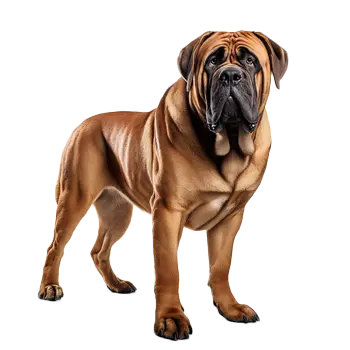

Mastiffs are enormous dogs that need more indoor space than most owners initially anticipate. An adult male can weigh over 200 pounds and stand nearly 30 inches at the shoulder, which means narrow hallways, tight corners, and cluttered rooms become obstacle courses. While Mastiffs are surprisingly calm and sedentary indoors — they are not high-energy dogs that bounce off walls — they still need enough floor space to stand up, turn around, and stretch out comfortably without knocking over furniture or blocking doorways.
A Mastiff does not necessarily require a large yard, but some outdoor space is beneficial for exercise and bathroom needs. A securely fenced yard is ideal, with fencing at least five to six feet high. While Mastiffs are not typically jumpers or escape artists, a sturdy fence provides a safe boundary and prevents well-meaning neighbors or strangers from approaching a dog whose size alone can be intimidating. The fence material should be solid — chain link, wood, or vinyl — rather than decorative or flimsy options that a leaning Mastiff could push through.
Inside the home, Mastiffs tend to gravitate toward wherever their family spends time. They are companion dogs at heart and do not do well isolated in a separate room, garage, or outdoor kennel for extended periods. Plan for your Mastiff to occupy significant real estate in your living room, bedroom, or kitchen area, and arrange furniture to accommodate their bulk. Slippery flooring like hardwood or tile can be problematic for giant breeds, especially puppies and seniors, so area rugs or non-slip mats in high-traffic zones help prevent injuries from slipping.
Apartment living with a Mastiff is possible but requires commitment. The dog's exercise and bathroom needs must be met through regular walks and outdoor time, and common areas like elevators, stairwells, and lobby spaces need to accommodate a very large animal. Check lease agreements and building policies before committing, as many rental properties have weight limits that exclude giant breeds.