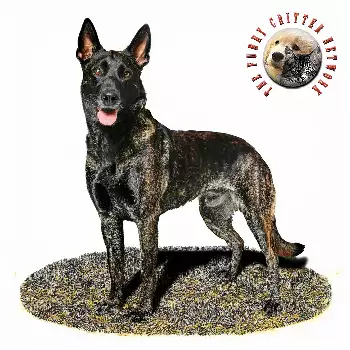

Nutritional Needs

The Dutch Shepherd is a high-drive working breed that was originally developed for all-around farm work in the Netherlands, including herding, guarding, and cart pulling. This versatile background means the breed has significant caloric and nutritional demands, especially when kept as an active companion or working dog. An adult Dutch Shepherd in moderate activity typically requires between 1,200 and 1,800 calories per day, though dogs involved in sport training, protection work, or competitive agility may need considerably more.

Protein is the cornerstone of the Dutch Shepherd diet. Because this breed carries lean, well-developed musculature and is prone to sustained bursts of intense physical activity, a minimum of 25 to 30 percent protein from high-quality animal sources is generally recommended. Look for formulas where a named animal protein appears as the first ingredient, ideally followed by a second animal protein source within the top five ingredients. Whole meats, meat meals, and organ meats all contribute valuable amino acid profiles that support muscle maintenance and recovery.

Fat content is equally important for this energetic breed. Healthy fats provide concentrated energy, support coat quality, and aid in the absorption of fat-soluble vitamins. A range of 12 to 18 percent fat is typical for an active Dutch Shepherd, with working dogs trending toward the higher end. Omega-3 fatty acids from fish oils or flaxseed are particularly beneficial for joint health, which matters for a breed that regularly engages in high-impact activities like jumping and sprinting.

Carbohydrates should come from digestible, whole-food sources rather than cheap fillers. Sweet potatoes, brown rice, oats, and legumes provide sustained energy release that matches the Dutch Shepherd's endurance-oriented metabolism. Avoid formulas that rely heavily on corn, wheat, or soy as primary carbohydrate sources, as these offer less nutritional value and may contribute to digestive sensitivities in some individuals.

What to Look For

When evaluating food options for a Dutch Shepherd, the ingredient panel is your most important tool. The first five ingredients make up the bulk of the formula, so look for named animal proteins like chicken, beef, lamb, salmon, or turkey rather than vague labels like "meat meal" or "animal by-products." Whole meats contain significant moisture weight, so a formula that lists both a whole meat and a meat meal in the top ingredients typically delivers a higher actual protein concentration.

The guaranteed analysis panel provides minimum protein and fat percentages along with maximum fiber and moisture levels. For a Dutch Shepherd, aim for at least 26 percent crude protein and 14 percent crude fat on a dry-matter basis. If comparing a kibble to a wet food, you will need to convert to dry-matter values to make an accurate comparison, since wet foods contain 70 to 80 percent moisture that dilutes the nutrient percentages shown on the label.

Avoid formulas with long lists of synthetic additives, artificial colors, or chemical preservatives like BHA, BHT, and ethoxyquin. Natural preservatives such as mixed tocopherols and rosemary extract are safer alternatives that are increasingly standard in quality formulations. Similarly, watch for excessive salt or sugar additions, which are sometimes used to boost palatability in lower-quality products.

Consider the manufacturer's quality control standards. Foods produced in facilities that follow established safety protocols and conduct regular nutritional testing offer greater assurance that the guaranteed analysis on the label matches the actual contents of the bag. Smaller-batch producers sometimes offer higher ingredient quality but may lack the testing infrastructure of larger operations, so weigh both factors when making your choice.

Recommended Dry Food

Dry kibble remains the most practical everyday feeding option for Dutch Shepherds due to its shelf stability, dental benefits, and ease of portioning. For this breed, look for high-protein sport or active-dog formulas that deliver sustained energy without relying on excessive carbohydrate fillers. Kibble designed for large-breed active dogs typically provides the right caloric density and nutrient balance for the Dutch Shepherd's frame and metabolism.

Grain-inclusive formulas with whole grains like brown rice, oatmeal, or barley are generally well-tolerated by Dutch Shepherds and provide steady-release energy that complements their endurance capabilities. While grain-free options remain popular, current veterinary guidance suggests that grain-inclusive diets may be preferable unless a specific grain allergy has been diagnosed. If you do choose grain-free, look for formulas that use legumes and sweet potatoes as primary carbohydrate sources and have undergone feeding trials.

Kibble size matters for a medium-to-large breed like the Dutch Shepherd. Medium-sized kibble pieces encourage proper chewing and slow consumption, which aids digestion and reduces the risk of bloat. Some Dutch Shepherds are notoriously fast eaters, so consider kibble shapes designed to slow intake or pair standard kibble with a slow-feeder bowl.

Rotating between two or three high-quality kibble formulas every few months can provide nutritional variety and reduce the likelihood of developing sensitivities to any single protein source. When transitioning between foods, always do so gradually over seven to ten days, mixing increasing amounts of the new food with decreasing amounts of the old to minimize digestive upset.

Wet & Fresh Options

Wet food can serve as a valuable supplement to a Dutch Shepherd's kibble-based diet or, in some cases, as a primary food source. Canned and fresh-prepared foods typically offer higher moisture content, which supports hydration in dogs that do not drink enough water on their own. The softer texture and stronger aroma of wet food can also be beneficial for picky eaters or older Dutch Shepherds with dental issues that make kibble uncomfortable.

Fresh and refrigerated dog food options have expanded significantly in recent years, offering minimally processed meals made from whole-food ingredients. These products generally maintain a shorter ingredient list and higher bioavailability of nutrients compared to traditional kibble. For a Dutch Shepherd, look for fresh food options that prioritize animal protein and include identifiable vegetables and healthy fats without excessive starchy fillers.

When using wet food as a topper or mixer, keep caloric math in mind. A few spoonfuls of calorie-dense wet food on top of a full serving of kibble can push daily intake above ideal levels, especially for Dutch Shepherds that are less active during certain seasons or recovery periods. Reduce the kibble portion proportionally when adding wet food to maintain appropriate caloric balance.

Home-prepared meals are another option some owners pursue, but they require careful formulation to avoid nutritional gaps. Dutch Shepherds have specific needs for calcium, phosphorus, and micronutrients that are difficult to meet without professional guidance. If you choose to prepare meals at home, work with a veterinary nutritionist to design a balanced recipe and consider periodic blood work to confirm nutritional adequacy.

Treats & Supplements

Treats play a significant role in training and bonding with Dutch Shepherds, and this breed's strong food motivation makes treat selection particularly important. Training treats should be small, soft, and quick to consume so they do not interrupt training flow. Look for single-ingredient options like freeze-dried liver, dehydrated meat strips, or small pieces of dried fish that deliver high-value reward without excessive calories or artificial additives.

Joint supplements are worth considering for Dutch Shepherds, especially those involved in sport work, agility, or protection training. Glucosamine, chondroitin, and MSM are the most commonly recommended ingredients for supporting cartilage health and joint mobility. Many owners introduce joint supplementation around age three or four as a preventive measure, though your veterinarian can advise on the best timing based on your individual dog's activity level and joint condition.

Omega-3 supplements derived from fish oil can benefit both coat quality and inflammatory response. Dutch Shepherds with brindle coats sometimes show improvements in coat sheen and skin health when fish oil is added to their diet. Look for supplements that specify EPA and DHA content rather than just total omega-3, as these are the specific fatty acids most beneficial for dogs.

Probiotics and digestive enzymes can support gut health, particularly during food transitions or stressful periods like travel or competition. Dutch Shepherds that experience occasional loose stools or gas may benefit from a daily probiotic supplement. Treats should comprise no more than ten percent of total daily caloric intake, so factor treat calories into your overall feeding plan to avoid gradual weight gain.

Foods to Avoid

Several common human foods are toxic or harmful to Dutch Shepherds and should be kept well out of reach. Chocolate, grapes, raisins, onions, garlic, xylitol-containing products, and macadamia nuts are all well-documented canine toxins that can cause reactions ranging from gastrointestinal distress to organ failure. Given the Dutch Shepherd's athleticism and ability to counter-surf or access elevated surfaces, extra vigilance is needed to secure these items.

Cooked bones pose a serious risk to any dog and should never be offered as treats or chews. Cooking makes bones brittle and prone to splintering, which can cause choking, dental fractures, or internal punctures. Raw bones are somewhat safer but still carry risks including bacterial contamination and tooth breakage, particularly for aggressive chewers. If you want to provide bone-chewing opportunities, consider veterinary-approved synthetic alternatives designed for strong jaws.

High-fat table scraps and greasy foods can trigger pancreatitis, an inflammatory condition of the pancreas that causes vomiting, abdominal pain, and potentially life-threatening complications. Dutch Shepherds that are accustomed to a lean, high-protein diet may be particularly sensitive to sudden introductions of fatty foods. Resist the temptation to share fatty trimmings, fried foods, or buttery leftovers.

Some Dutch Shepherds develop sensitivities to specific proteins or grains over time. Common allergens in dogs include chicken, beef, dairy, wheat, and soy. If you notice persistent itching, ear infections, hot spots, or digestive irregularities, consult your veterinarian about an elimination diet to identify the offending ingredient before switching to a novel protein formula.

Feeding Schedule

Adult Dutch Shepherds generally do best on two meals per day, typically morning and evening, rather than free-feeding from an always-available bowl. Scheduled meals allow you to monitor appetite and intake, which provides early warning of health issues and helps maintain consistent body condition. For working or sport Dutch Shepherds, timing meals around training sessions is important — avoid feeding a large meal within two hours of intense exercise to reduce the risk of bloat and gastric discomfort.

Puppies require more frequent feeding to support their rapid growth and high metabolic rate. Dutch Shepherd puppies under four months typically need three to four meals per day, transitioning to three meals between four and six months, and then settling into the adult twice-daily schedule around six to eight months. Use a large-breed puppy formula that controls calcium and phosphorus levels to support steady, controlled skeletal development rather than rapid growth.

Portion sizes should be adjusted based on body condition rather than strictly following package guidelines, which are often generalized and may not account for individual variation in metabolism and activity level. You should be able to feel your Dutch Shepherd's ribs without pressing hard, and there should be a visible waist tuck when viewed from above. Working dogs in peak training may need 20 to 40 percent more food than the same dog during an off-season rest period.

Fresh water should be available at all times, with bowls cleaned and refilled daily. Dutch Shepherds engaged in heavy exercise benefit from access to water during and immediately after activity, though allowing brief rest before offering large quantities of water can help prevent gulping and potential stomach issues. During hot weather, water consumption naturally increases, and adding a splash of low-sodium broth to the water bowl can encourage adequate hydration in dogs that are reluctant drinkers.

Always consult a qualified professional before making any health-related decisions. This content is provided for informational reference only and should not replace professional guidance specific to your animal.