
Play Style & Drive

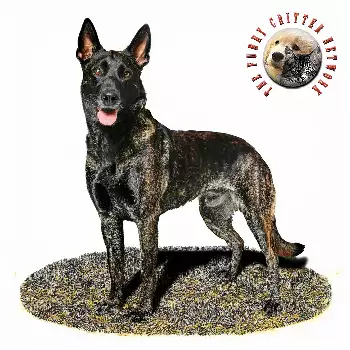
The Dutch Shepherd is a breed defined by drive — prey drive, ball drive, tug drive, and an overarching desire to work and engage with their handler. Understanding your individual dog's primary motivators is essential for selecting toys that will hold their attention and provide genuine enrichment rather than a brief distraction followed by destruction. Most Dutch Shepherds display a strong preference for interactive play with their owner over solitary toy engagement, which makes handler-involved toys particularly effective.

This breed's play style tends toward intensity. Dutch Shepherds grab, shake, pull, and carry with purpose and power, which means flimsy toys have a lifespan measured in minutes. Their play is often goal-oriented — they want to catch the thing, retrieve the thing, win the tug, or solve the puzzle. Toys that provide a clear objective and a satisfying payoff align naturally with the breed's working mentality and keep them engaged longer than passive entertainment options.

The Dutch Shepherd's intelligence means they can figure out most puzzle toys relatively quickly on the first attempt. While this is impressive, it also means that enrichment needs to be rotated and escalated in difficulty to remain stimulating. A toy that provides twenty minutes of engagement on day one may be solved in three minutes by day three. Plan for a rotation system and look for toys with adjustable difficulty settings to extend their useful life.

Age and individual temperament influence play style significantly. Young Dutch Shepherds tend toward frenetic, high-energy play with lots of sprinting and mouthing, while mature dogs often develop a more methodical approach to toys and games. Senior Dutch Shepherds may shift toward lower-impact activities but still require mental stimulation to prevent cognitive decline. Adapt your toy selection and play routines to match your dog's current life stage and energy level.

Interactive & Puzzle Toys

Puzzle toys are among the most valuable enrichment tools for Dutch Shepherds because they engage the breed's natural problem-solving instincts. Food-dispensing puzzles that require the dog to slide panels, lift compartments, or manipulate moving parts to access treats provide mental exercise that can tire a Dutch Shepherd as effectively as physical activity. Start with beginner-level puzzles and progress to multi-step designs as your dog develops proficiency.

Treat-dispensing balls and wobble toys offer a simpler form of food puzzle that works well for unsupervised enrichment. These toys release kibble or treats as the dog rolls, bats, or nudges them across the floor. For Dutch Shepherds, choose heavy-duty versions made from rigid rubber or reinforced plastic, as standard models may crack under aggressive play. Filling these toys with a portion of the dog's daily kibble ration transforms mealtime into an enrichment activity.

Snuffle mats and lick mats provide calming mental stimulation that differs from the higher-arousal puzzle toys. Snuffle mats mimic foraging behavior by hiding treats within fabric strips that the dog must nose through, while lick mats spread with peanut butter, yogurt, or wet food encourage focused licking that can reduce anxiety and promote relaxation. These tools are particularly useful for winding down after high-energy play sessions or as a calming activity before crate time.

Interactive toys that involve handler participation — such as tug ropes, flirt poles, and hide-and-seek games — are where Dutch Shepherds truly shine. The breed's desire to work with their person means that a simple game of tug with rules and structure provides both physical exercise and relationship building. Establish clear start and stop cues for interactive play to maintain impulse control and prevent the dog from becoming overstimulated.

Chew Toys & Durability

Dutch Shepherds are powerful chewers, and selecting appropriately durable chew toys is essential for both safety and value. Standard plush toys and thin rubber products will be shredded within minutes by most Dutch Shepherds, creating a choking hazard from ingested fabric, stuffing, and squeaker components. Look for toys specifically marketed for aggressive or power chewers, typically made from solid natural rubber, nylon, or reinforced composite materials.

Natural chew options include bully sticks, tendons, and dried animal parts that satisfy the urge to gnaw while providing a consumable reward. These are generally safer than rawhide, which can swell in the stomach and cause blockages. Always supervise your Dutch Shepherd with natural chews and discard any piece that becomes small enough to swallow whole. Size the chew appropriately — it should be large enough that the dog cannot fit the entire piece in their mouth.

Rubber chew toys in various shapes and densities provide long-lasting engagement when paired with food stuffing. Hollow rubber toys packed with frozen peanut butter, kibble paste, or layered treats can keep a Dutch Shepherd occupied for extended periods. Freezing the stuffed toy adds an extra layer of difficulty and extends the chewing session. Keep several stuffed toys in the freezer so you always have one ready when you need a high-value distraction.

Inspect all chew toys regularly for signs of wear, including deep gouges, missing chunks, or cracks that could produce small breakable pieces. Even the most durable toys have a finite lifespan under the jaws of a determined Dutch Shepherd. Replace compromised toys immediately rather than waiting for a complete failure. The cost of regular toy replacement is minimal compared to the veterinary expense of removing swallowed toy fragments from a dog's digestive tract.

Fetch & Outdoor Toys

Fetch is a natural fit for the Dutch Shepherd's retrieval instincts and provides excellent cardiovascular exercise in a relatively small amount of time. Standard tennis balls work for casual play, but their felt covering can wear down tooth enamel over time with heavy use. Rubber fetch balls designed for dogs are more durable and safer for frequent play. For water-loving Dutch Shepherds, floating fetch toys extend the game to pools, lakes, and beaches.

Ball launchers extend throwing distance and save your arm during extended fetch sessions. Manual and automatic launchers are both available, with automatic versions allowing the dog to reload the launcher independently for self-directed play. If using an automatic launcher, supervise the first several sessions to ensure the dog is not standing too close to the ejection point and is retrieving at a safe distance.

Flirt poles provide an outstanding outlet for prey drive in a controlled, space-efficient format. These long poles with a lure attached to a line allow the handler to simulate prey movement while the dog chases, pounces, and catches. Flirt pole play builds agility, coordination, and impulse control when structured with sit-and-wait commands between chase sequences. The intensity of flirt pole play means sessions should be kept short — ten to fifteen minutes is usually sufficient for a thorough workout.

Frisbees and flying discs add variety to outdoor play and challenge the Dutch Shepherd's coordination and timing. Soft rubber or fabric discs are safer for canine mouths than hard plastic versions, which can chip teeth on aggressive catches. Introduce disc play gradually, starting with short, low throws and building to longer distances as the dog develops catching skills. Avoid encouraging acrobatic leaping catches until the dog is physically mature, as repeated high-impact landings can stress developing joints.

Comfort & Companion Toys

While Dutch Shepherds are not typically associated with comfort toys in the same way as companion breeds, many individuals develop attachments to specific toys that they carry, guard, or sleep with. These attachment objects can provide security during stressful transitions such as moving to a new home, adjusting to a new family member, or recovering from surgery. If your Dutch Shepherd gravitates toward a particular toy, maintain a backup of the same item in case the original is lost or destroyed beyond repair.

Plush toys with minimal stuffing and reinforced seams can serve as comfort objects for Dutch Shepherds that are not aggressive destroyers. Look for flat-style plush toys without excessive stuffing that could be ingested, and avoid toys with hard plastic eyes, noses, or other components that can be chewed off and swallowed. Some manufacturers produce plush toys specifically for power chewers with multiple layers of stitching and tear-resistant fabric.

Heartbeat and heat-emitting toys are designed primarily for puppies during their first nights away from the litter but can also comfort adult Dutch Shepherds experiencing anxiety. The rhythmic pulse and warmth simulate the presence of another dog and can reduce whining, pacing, and restlessness in crate-trained dogs. These products run on batteries or disposable heat packs and typically last several hours per activation cycle.

Squeaky toys occupy a unique space between stimulation and comfort. The squeaking sound triggers prey-drive engagement in many Dutch Shepherds, which can be either exciting or calming depending on the individual dog's response. If your dog compulsively destroys squeaky toys to remove the squeaker, these are better used as supervised interactive toys rather than left for unsupervised comfort. Silent or low-volume squeakers offer a compromise for dogs that enjoy the feedback without becoming overaroused.

DIY & Budget Options

Not every enrichment activity requires a commercial product. Many effective Dutch Shepherd enrichment activities can be created from household items at minimal cost. A muffin tin with tennis balls covering treat-filled cups creates an instant puzzle toy. A cardboard box filled with crumpled paper and hidden treats becomes a foraging activity. A towel rolled around kibble and tied in a loose knot provides a simple but engaging food puzzle. These homemade options are particularly useful for rotating enrichment without constantly purchasing new toys.

Frozen enrichment is one of the most cost-effective ways to provide long-lasting stimulation. Freeze a mixture of kibble, broth, and small treats in a silicone mold, bowl, or hollow toy to create a frozen block that takes significant time and effort to work through. In summer months, frozen enrichment doubles as a cooling activity. You can scale the difficulty by adjusting the density of the frozen mixture and embedding higher-value treats at the center as a reward for persistence.

Scent work games leverage the Dutch Shepherd's excellent nose and working instincts without any equipment at all. Hide treats or a favorite toy in increasingly challenging locations around your home or yard and encourage the dog to find them using nose work commands. Start with easy finds in plain sight and gradually increase difficulty by hiding items under objects, behind furniture, or at elevated heights. Structured scent games can be as mentally taxing as any commercial puzzle toy.

Social enrichment through supervised play dates with compatible dogs, training classes, or organized sport activities provides stimulation that no toy can replicate. Dutch Shepherds are social learners that benefit from novel experiences and interactions. Rotating through different environments for walks, exploring new trails, and visiting dog-friendly locations all contribute to mental enrichment. The combination of physical exploration and sensory input from new environments is among the most complete forms of enrichment available, and it costs nothing beyond the time to get there.

Always consult a qualified professional before making any health-related decisions. This content is provided for informational reference only and should not replace professional guidance specific to your animal.